


From Vegas Myths to Penny Slots: The Evolution of Slot Games
Penny Slots Myths Busted: What the End of the Penny Really Means for Vegas Gaming
- The demise of the one-cent US coin in 2026 will not end penny slots
- These machines will simply be recalibrated to five-cent increments
- More importantly, penny slots actually ended in the 1960s
While the US Treasury’s plan to phase out the penny starting in 2026 might sound like a significant shift, it will have little impact on the popularity and profitability of penny slots in Las Vegas. This is largely because the modern machines used for penny slots are incredibly profitable and can be easily recalibrated to operate in nickel increments. Furthermore, the concept of the literal penny is more mythical than real in the modern gaming era; almost no slot machine in Las Vegas has actually accepted a copper cent since the 1960s.

Penny slot machines, as they’re referred to today, are multi-line betting systems that accept paper money or tickets for payment and issue digital credits as payouts. The name comes from their minimum bet of one cent per payline, which is misleading as players must wager on multiple paylines simultaneously to activate a spin.
Myth Understood
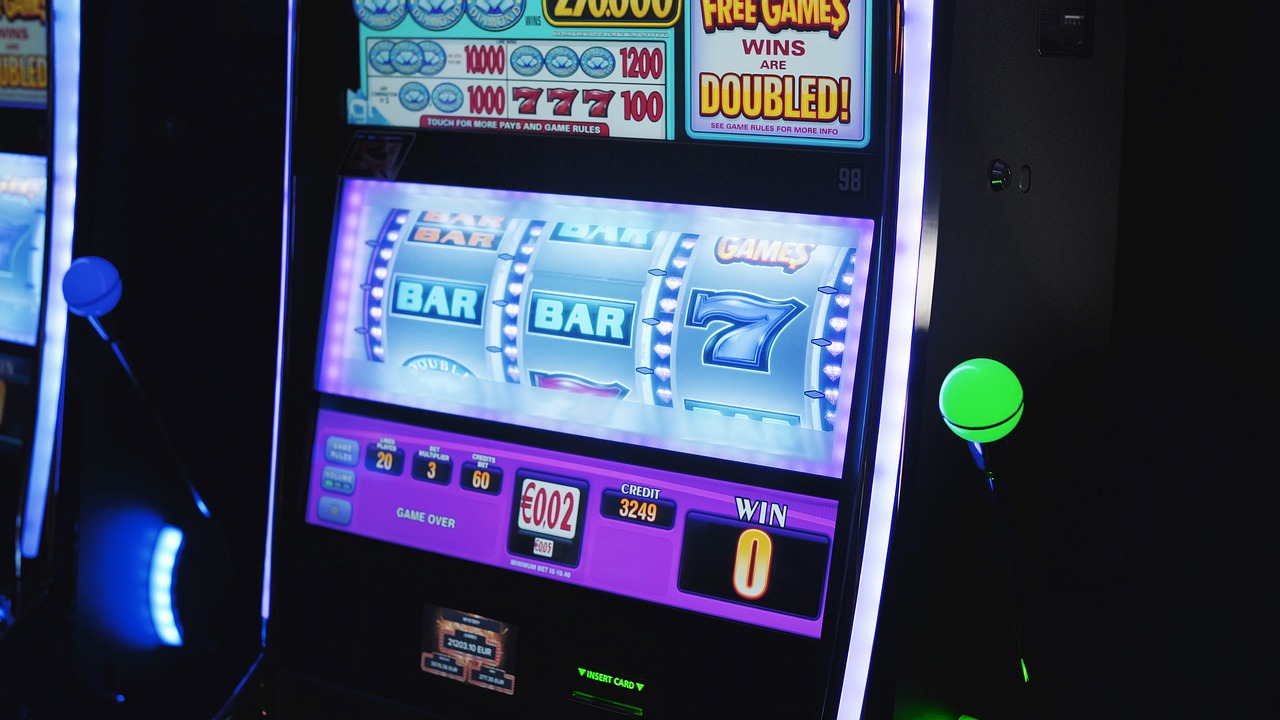
The Liberty Bell, invented in 1895, was the first modern slot machine, and even it would only accept nickels. Back when Nevada first legalized gambling in 1931, finding a Las Vegas slot machine that accepted pennies was exceedingly rare. Right from the inception of modern slots, a nickel was the least valuable coin allowed.
Penny slots were a novelty, mainly found in penny arcades that skirted gambling laws by offering non-monetary rewards like candy, trinkets, or gums.
While some early Las Vegas casinos may have had penny-activated slots, most operators avoided them due to the heavy coin handling for minimal profit. Consequently, by the mid-1970s, penny slots were virtually nonexistent in Las Vegas.
A Pretty Penny
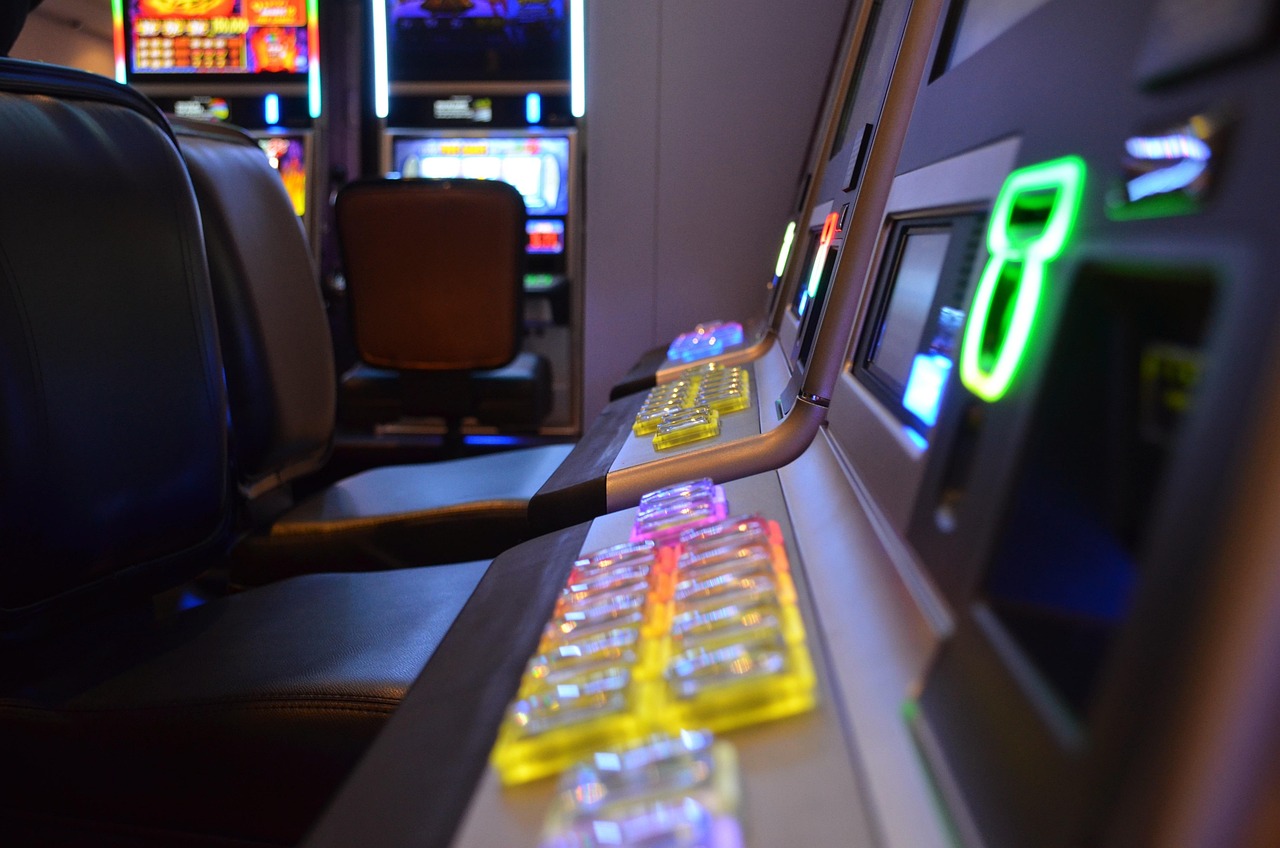
A slot technician is seen making repairs at the El Cortez downtown, the only Las Vegas casino that still operates traditional coin-operated reel slots. The lowest denomination these machines accept is a quarter. Meanwhile, no slots on the Strip accept coins, but Slots of Fun features 85 coin-operated slots from the last millennium modified to accept special tokens.
Manufacturers seemingly revived the concept of penny slots in the ’90s with electronic and video slot games dominating casino floors. However, these machines are built on a series of misleading practices.
Firstly, they don’t accept pennies or any physical coins, though they still replicate the nostalgic sounds of coins dropping into jackpot barrels. Secondly, their penny-per-payline marketing strategy misleads players into believing they offer cheaper or lower-risk gambling options when in fact the costs are significantly higher.
Modern penny slots often require multiple paylines—typically between 25 to 300—to activate, leading to costs per spin ranging from 25 cents to three dollars. Additionally, these machines generally provide a significantly lower payout rate compared to higher-denomination machines, making them profitable for casinos despite their lower per-line bet.
In the previous year, gamblers in Nevada fed penny slots a staggering $25.64 billion, generating about $2.4 billion in revenue. This accounted for over 22.8% of the state’s total slot revenue, proving that penny slots are likely to persist even after the penny itself is phased out.
As was seen in Canada when it eliminated its penny in 2012, any adjustment will see these machines recalibrated to five-cent increments. Whether manufacturers will rebrand them as nickel slots remains an open question, especially as the term “penny” ties back to the idea of the most economical gambling option.