


Sports Betting Scandals and NCAA Player Abuse: The Fallout in March Madness | 10BET

Sports Betting Outrage: The Decline in NCAA March Madness Player Abuse

In a positive turn, the NCAA has announced that instances of player abuse related to sports betting notably decreased during the 2025 March Madness tournaments. This news brings relief to student-athletes, as it suggests a reduction in harassment from bettors during this high-stakes period.

  • Monitoring Social Media for Player Safety:
  • The NCAA has employed the Signify Group to monitor and report on social media activity regarding its student-athletes.
  • Law enforcement was alerted in 10 cases involving online threats to players’ safety.

In late 2023, the NCAA struck a partnership with the Signify Group, leveraging their advanced Threat Matrix to pinpoint online abuse targeted at athletes. In the recent report, the NCAA stated that abuse instances related to sports betting fell by an impressive 23% in 2025.

sports betting
Image by Up-Free from Pixabay

NCAA President Charlie Baker stated, “Players have shared their experiences of harassment, and from day one, our priority has been to protect them, allowing them to focus on their education and the game itself.”

Signify’s monitoring encompassed over 2,000 players, coaches, and officials, examining more than one million social media posts and comments that mentioned names relevant to the sports events. It flagged around 55,000 instances for further scrutiny, with 3,161 confirmed as abusive or threatening. These serious comments were subsequently reported to the concerned social media platforms and law enforcement where applicable.

Decline in Abuse Incidents

Over the years, unsettling reports have emerged about student-athletes subjected to harassment by frustrated sports bettors. This uptick in abusive behaviour coincided with the changes allowing college athletes to profit from their names, images, and likenesses, sparking a misguided belief among some bettors that targeting these players was acceptable.

The NCAA launched a public service announcement titled “Don’t Be a Loser” in March to encourage fans and bettors to express their frustrations in more constructive ways, avoiding negativity towards the athletes. This campaign appears to have resonated—a recent analysis by Signify indicated a staggering 66% reduction in sports betting-related abuse against women athletes, with men’s athletes seeing a 36% decrease.

Signify’s monitoring and law enforcement involvement are making a noticeable difference. Signify CEO Jonathan Hirshler noted, “We are encouraged by the decrease in abuse linked to sports betting. By working closely with the NCAA, we’re demonstrating that abusers can be identified and reported, creating a deterrent effect.”

Law Enforcement Involvement

Signify’s Threat Matrix actively monitors platforms such as X, Instagram, and TikTok. During the March Madness tournaments in 2025, 103 investigations were launched into accounts posting threatening material, with 10 cases escalated to law enforcement agencies.

Chandler Prater of Mississippi State’s women’s team expressed her distress after experiencing online abuse following a challenging match: “The NCAA and Signify stepped in to help manage the harassment I faced. It was beyond anything I had ever dealt with before.”

As we look towards future tournaments, proactive strategies are paramount. The NCAA’s efforts to mitigate abuse towards players represent a critical move towards creating a safer and more respectful sporting environment.

Key Takeaways:

  • Player abuse during NCAA tournaments has markedly decreased.
  • Effective monitoring of social media is essential to protect student-athletes.
  • Public service announcements play a vital role in shaping fan behaviour.
  • Continued collaboration with law enforcement is crucial.

In conclusion, with robust monitoring, enhanced community education, and firm law enforcement actions, the NCAA has made significant strides in creating a safer environment for its student-athletes during the high-pressure March Madness tournaments.

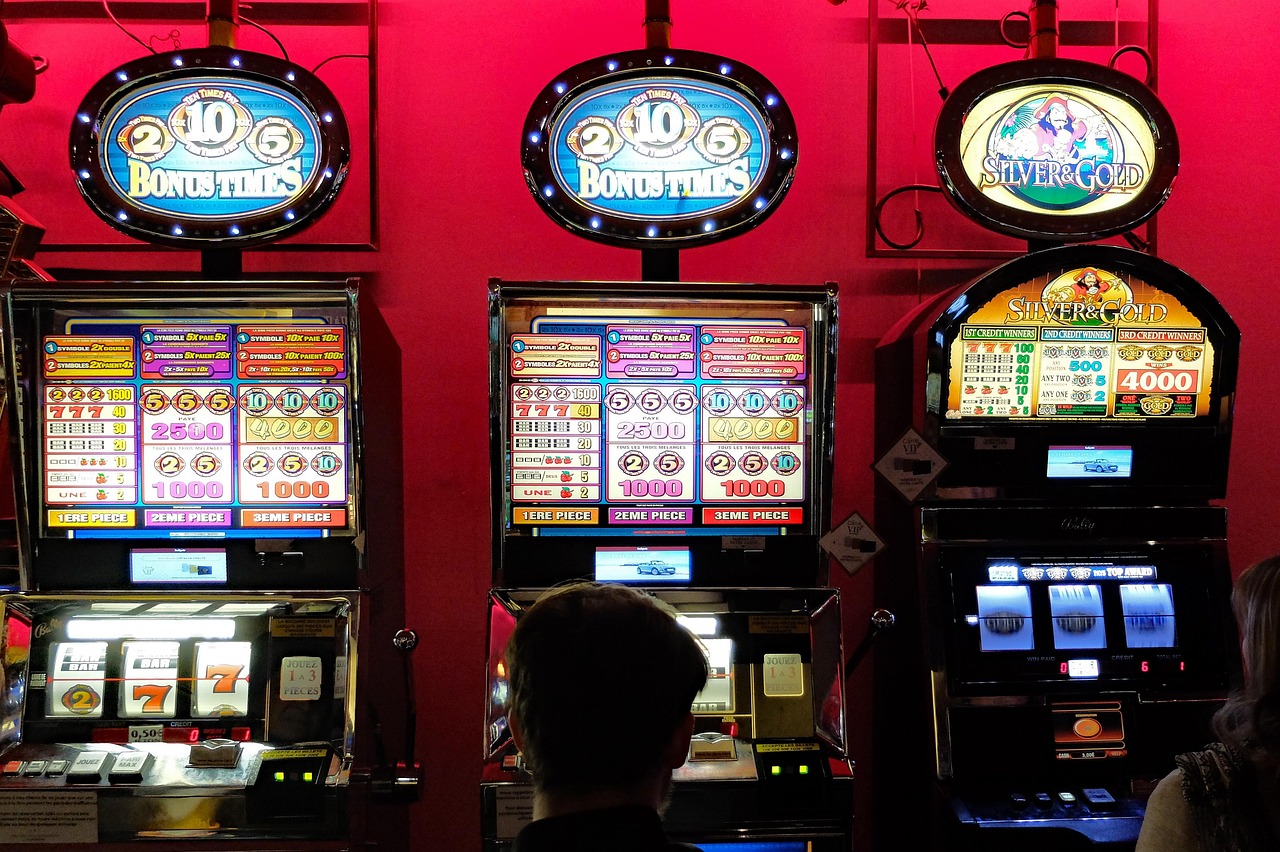
Slot Machines: Which Brands Will Be Bigger Than the Competition?

Dominating the World of Slot Machines: How the Everi/IGT Merger Outpaces Aristocrat, Light & Wonder

Understanding the dynamics of modern gaming requires a deep dive into the mechanics and psychology behind the thrill of the chase, particularly within the realm of slot machines. Key insights into how these digital environments operate, from probability calculations to player engagement strategies, reveal crucial patterns about risk and reward that dictate the success of any casino operation.

  • Assessment based on installation base, not market value.
  • Transaction set to conclude in just weeks.

Apollo Global Management is finalising its significant $6.3 billion acquisition of Everi and International Game Technology (IGT), alongside its global gaming and PlayDigital units. This merger is expected to create a powerhouse surpassing renowned slot machine manufacturers.

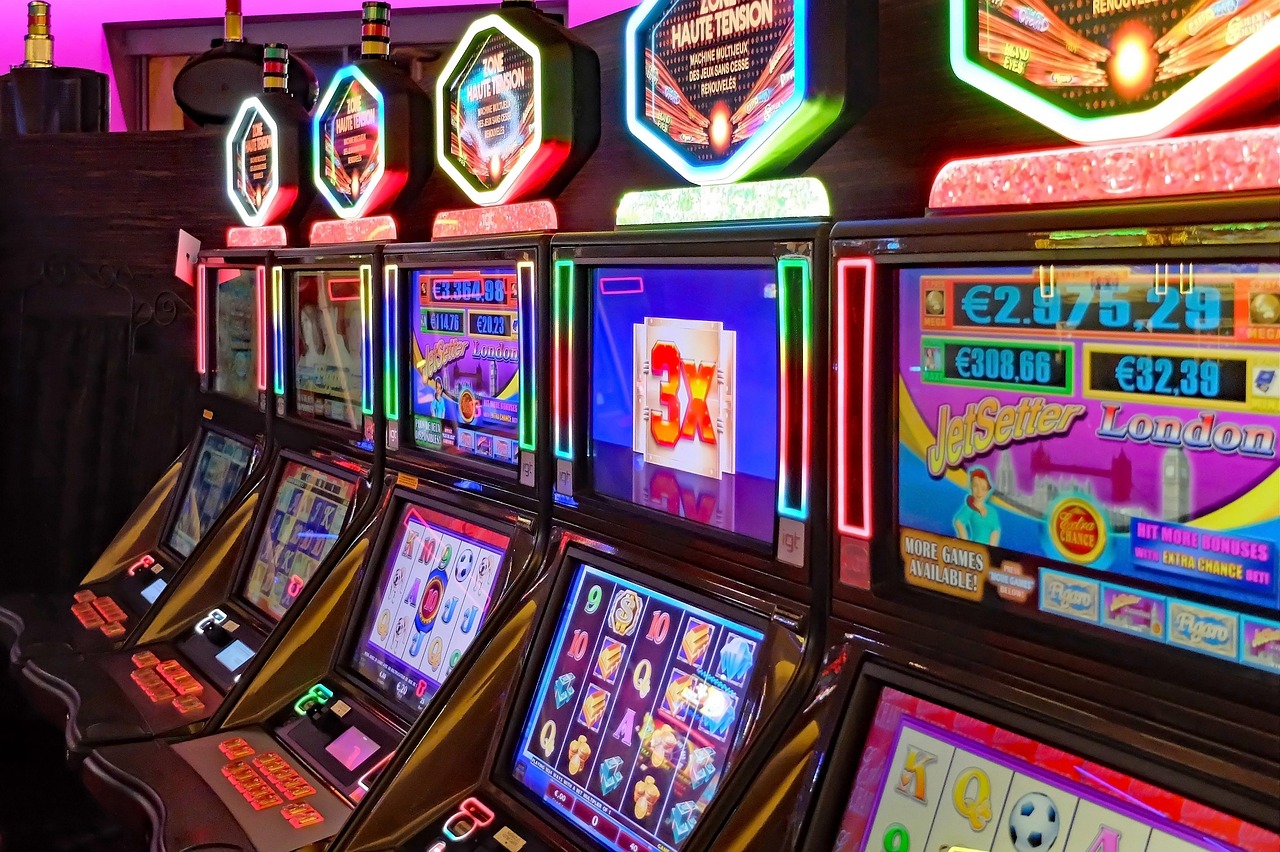
slot machines
Image by djedj from Pixabay

According to recent analyses from Fitch Ratings, the merger will result in over 70,000 joined units installed, easily outpacing Light & Wonder’s existing 54,397 units. The combined slot entity will claim a substantial market share in North America, outstripping both Aristocrat and Light & Wonder, the current market leaders. This robust market position is likely a key driver behind Apollo’s significant acquisition offer.

Management forecasts a steady revenue growth at mid-single digits through to 2026, fuelled by the integration of Everi’s innovative content into IGT’s wide-reaching networks.

Financial analysts assert that should Apollo’s acquisition pricing be viewed as a market valuation for the newly merged company, it would remain lower than the evaluations of its larger competitors, Aristocrat and Light & Wonder.

Cost Savings via Everi/IGT Combination

A traditional characteristic of many private equity acquisitions is reliance on debt financing. In this case, Apollo is using approximately $4.3 billion, a portion of which is rated below investment grade. This situation makes revenue growth crucial for sustainability.

Fortunately, it appears that the new combined entity will be well-positioned to realise cost synergies. Management projects an impressive $140 million in annual cost reductions within three years through operational efficiencies such as enhanced supply chain management, streamlined operations, and consolidation of resources.

As evidence of sound financial health, Everi reported $77 million in cash reserves at the close of its first quarter, along with generating approximately $162 million in free cash flow for 2024. It’s worth noting that the combined leverage ratios of this new entity may exceed those of both Aristocrat and Light & Wonder.

Diversified Revenue Streams from the Merged Entity

The strategic advantage of merging Everi and IGT lies in their diversified revenue streams, potentially more varied compared to their leading competitors.

Overall, it’s predicted that gaming operations and sales will yield around 52% of the revenue for the merged company, with systems and software delivering an additional 23%. The remaining 25% is expected to be generated from FinTech solutions and iGaming ventures.

With these strategic expansions in mind, the future looks promising for the newly merged Everi/IGT entity.

In conclusion, the merger between Everi and IGT represents a pivotal moment in the gaming industry, signalling not only increased market share but also substantial innovations in gaming technology and diversified offerings that could shape the future landscape of online and land-based casinos.

Unlocking Hidden Secrets: Advanced Betting Strategies Revealed by the Area 51 Cover-up

The Secret Betting Strategies Exposed by the Casino World

A congressional investigation in 2023 has revealed startling new evidence regarding the long-rumoured government cover-up at Area 51, a classified U.S. Air Force base situated 81 miles northwest of Las Vegas, operational since 1955. Much like uncovering hidden truths, understanding the dynamics of the casino floor requires mastering complex **betting strategies**. Contrary to popular belief, the reports of UFOs allegedly stored on the base appear to stem from a hoax orchestrated by government officials themselves, suggesting that the patterns observed in both classified events and gambling outcomes are often intentionally manipulated.

slot games
Image by djedj from Pixabay

In 2023, Casino.org noted allegations from a former intelligence officer claiming that the U.S. is concealing multiple extraterrestrial spacecraft within Area 51. David Grusch, a former member of the National Geospatial Intelligence Agency and the National Reconnaissance Office’s representative to the Unidentified Aerial Phenomena (UAP) Task Force, asserted that federal agents have been recovering alien vehicles and bodies from crash sites and hiding the evidence from the public.

Grusch remarked, “There is a sophisticated disinformation campaign targeting the US populace, which is extremely unethical and immoral,” when revealing his insights to NewsNation.

However, these claims face significant challenges from recent findings indicating that Grusch and other high-ranking officials may have been misled as part of a disinformation initiative to obscure the real developments at Area 51—the testing of advanced U.S. military stealth fighters.

‘Men in Black’ Not a Documentary

betting strategies
Image by besteonlinecasinos from Pixabay

The Wall Street Journal (WSJ) recently reported for the first time on conclusions drawn from the 2023 investigation. It disclosed that many employees of the government were deliberately misled about UFOs since the 1950s. Military personnel reportedly disseminated false documents, creating a smokescreen for actual secret military projects.

Moreover, the WSJ reported instances in which officials allowed UFO myths to flourish for national security reasons. For example, such narratives helped to disguise U.S. vulnerabilities from the Soviet Union.

The WSJ’s own investigation uncovered substantial evidence, interviewing over two dozen present and former U.S. officials, scientists, and military contractors related to the congressional investigation, while meticulously reviewing various documents and communications.

Sean Kirkpatrick, a former chief scientist at the Missile and Space Intelligence Center, discovered that “hundreds and hundreds” of government personnel had been misled about a supposed program aimed at acquiring alien technology within Area 51.

casino
Image by StockSnap from Pixabay

Each new commander of the Air Force’s classified programs received a photograph during their onboarding session, depicting what appeared to be a flying saucer, purportedly an anti-gravity vehicle in the government’s custody.

The WSJ noted, “The officers were informed that the program they were joining, named Yankee Blue, was geared towards reverse-engineering technology from this craft. They were instructed never to mention it again, and many remained unaware it was fabricated.”

All personnel were compelled to sign non-disclosure agreements, and one officer was threatened with imprisonment or execution should he divulge the secret.

The WSJ’s report did not delve deeply into the motives behind this disinformation campaign, though suggestions indicate it could have aimed to test the loyalty of new commanders or confuse adversaries regarding Area 51’s operations.

Ultimately, by spring 2023, a memo from the US defense secretary mandated the termination of such practices.

“But the damage was done,” the WSJ’s investigation concluded.

Key Takeaways

  • Area 51, often viewed as the centre of UFO conspiracy theories, has been shrouded in misinformation since its establishment.
  • Claims from credible individuals have suggested that disinformation tactics were employed to prevent national security threats.
  • Recent reports indicate that many government employees have been unwittingly misled regarding UFOs and extraterrestrial technology.
  • There is ongoing scrutiny into the authenticity of the governmental narrative surrounding Area 51.

The exposure of these facts about Area 51 fosters an engaging dialogue around the balance between national security and transparency. The intersection of belief, misinformation, and the thirst for knowledge continues to unravel, drawing intrigue from both skeptics and believers alike.

Blackstone, IPO, and the Future of Online Casino Gaming: The Spanish Gaming Group Cirsa

Online Casino Gaming: Analyzing the Impact of Blackstones IPO of Spanish Gaming Group Cirsa

The Blackstone Group is reportedly re-evaluating its position on allowing individual investors and mutual funds to buy stakes in its Cirsa Gaming Corporation holding, a Spanish gaming giant that manages over 400 physical casinos and gaming facilities across Spain, Italy, and Latin America. This vast physical empire is currently positioned to expand its influence into the burgeoning realm of online casino gaming, leveraging its established infrastructure to reach a wider global digital audience.

casino
Image by RJA1988 from Pixabay

Acquired by Blackstone in 2018 for an estimated $2.6 billion, Cirsa has since made significant strides in the gaming industry. The company not only operates numerous casinos but also manufactures and distributes slot machines, and offers iGaming and online sports betting services.

Rumours about a potential IPO have circulated since 2021, with indications arising again in 2023 and early 2025. Despite previously deciding against going public, Blackstone’s recent financial manoeuvres, including a $300 million investment to strengthen Cirsa’s financial standing, suggest that the timing might now be favourable.

Rival Shares Surging

In early 2025, new reports indicated Blackstone was once again considering an IPO for Cirsa. Notably, Blackstone is evaluating a financing round amounting to between 700 million to 1 billion euros to help reduce its debt burden. This strategic decision aligns with a notable performance from Cirsa’s competitor, Lottomatica Group, whose shares have climbed over 150% since debuting on the stock market in 2023.

Cirsa’s operational metrics are also encouraging—recording operating revenues of approximately $2.92 billion in 2024, which is a 7% increase from the previous year. Its EBITDA increased by 11%, reaching nearly $800 million.

No final decisions have been made, and the timing and structure of the transaction are subject to change.

Both Blackstone and Cirsa have chosen to withhold comments regarding the speculation.

Cirsa Gaming Group

Cirsa employs approximately 15,000 individuals across its gaming establishments in multiple countries, including:

  • Colombia
  • Costa Rica
  • Dominican Republic
  • Mexico
  • Morocco
  • Peru
  • Spain

The company runs about 280 gaming venues, attracting around 7.6 million visitors each year. Cirsa also leads in the online and retail sports betting sector through its Sportium brand, in addition to providing online casino gaming in markets where regulations allow.

Cirsa’s Amusement Machines division specializes in the development and distribution of gaming terminals across Europe and Latin America.

Blackstone’s portfolio extends beyond Cirsa, including significant stakes in renowned Las Vegas properties such as The Cosmopolitan, Bellagio, Aria, and Vdara.

Current speculation suggests Blackstone may also be considering acquiring Star Entertainment, Australia’s other major casino operator. Such a move would require regulatory approval to ensure that one entity doesn’t monopolise the Australian gaming market.

As of late 2024, Blackstone was reported to be the world’s largest private equity firm, boasting an impressive $941 billion in assets under management (AUM).

Summary

As Blackstone contemplates a potential IPO for Cirsa Gaming Corporation, the landscape for casino and gambling operations is evolving rapidly. With its significant market presence in Europe and Latin America, alongside encouraging financial metrics, Cirsa stands poised for significant growth. The implications of Blackstone’s decisions will reverberate across the gaming sector, possibly setting a precedent for future IPOs in the industry.

Sports Betting Prediction Markets: How Investors Are Navigating the Latest Industry Developments | 10BET

Mastering Sports Betting: Winning Strategies and Expert Prediction Techniques

Charles Schwab, a significant investor in the prediction market platform Kalshi, recently announced that they are closely monitoring emerging trends and technological advancements within the speculative industry. While the brokerage firm clarified that it has no immediate intentions to dive into prediction markets, their observation of these shifting landscapes mirrors the growing consumer interest found in sports betting. As markets become more sophisticated, the crossover between financial forecasting and the high-stakes excitement of sports betting continues to shape how modern investors and enthusiasts view risk.

Prediction markets
Image by PublicDomainPictures from Pixabay

This announcement comes on the heels of comments from Kalshi’s co-founder, Tarek Mansour, at a recent conference, where he speculated that more brokerage firms would soon integrate prediction markets into their user interfaces.

Understanding the Context

With Schwab being one of the largest providers of 401(k) plans in the United States, there’s speculation that they could potentially facilitate access to Kalshi’s offerings through user-friendly platforms for clients to monitor their retirement plans.

In February 2021, Schwab participated in a funding round that raised $30 million for Kalshi, joining several other prominent investors like Sequoia Capital and YC Continuity.

Clarifying Mansour’s Comments

At the Solana Accelerate conference, Mansour hinted that yes/no contracts provided by Kalshi could become part of the investment products offered by mainstream financial brokerages. His comment projected that in the next year and a half, brokers allowing clients to manage their 401(k) plans would have access to diverse prediction market products.

“We expect by the end of this year, maybe another five to six brokers will come on board. I predict that most brokerages allowing access to 401(k)s will also feature Kalshi’s products or similar prediction markets,” said Mansour.

However, Kalshi was quick to clarify that Mansour’s statements did not imply that these derivatives would be integrated directly into retirement accounts.

Current Relationships with Other Platforms

Kalshi already has partnerships with platforms like Robinhood and Webull, which primarily function in the trading sector but currently lack significant presence in the 401(k) market.

Additionally, trending speculation surrounds whether cryptocurrency exchange Crypto.com could eventually implement event contracts similar to those offered by Kalshi.

Potential 401(k) Providers Open to Kalshi

It’s important to understand that the buzz surrounding 401(k) providers that may adopt Kalshi refers to platforms that could allow yes/no contracts within their broader suite of trading options; this does not indicate the offering of such contracts in retirement accounts themselves.

Looking at the industry landscape, few big players in the 401(k) arena seem open to prediction markets. For example, Vanguard, which is known for its conservatism, likely wouldn’t consider integrating prediction markets into their offerings, nor do they currently permit investments like Bitcoin ETFs.

In contrast, Fidelity has shown a more progressive stance toward crypto, suggesting they might consider prediction markets, but they haven’t made any public commitments thus far.

Conclusion

Overall, while Charles Schwab looks to stay informed and may keep options open for the future, there’s no immediate plan for integration into their services. Observation around how rapidly prediction markets, particularly Kalshi, develop reflects a vibrant changing landscape in digital finance and investing. The coming months will reveal how investor behaviors adapt and whether we might see further integration of such innovative products.

Related Insights:

  • Predictions markets are emerging as a niche investment product.
  • Investors are increasingly interested in platforms that offer diverse investment options.
  • Regulatory changes could influence the adoption of prediction markets in traditional brokerage platforms.

Summary: This article discusses Charles Schwab’s position and ongoing observations regarding the development of prediction markets, expressing caution about immediate predictions while acknowledging the growing interest and potential integration within broader financial platforms.

First Nation Deal Signals Major Casino Expansion at Hastings Racecourse

Casino Expansion Deal: First Nation Announces Tentative Purchase of Hastings Racecourse and Casino

  • Great Canadian sold two other BC casino properties to First Nations in 2024
  • Casino expansion plans in the works
  • Deal still needs to be finalized

Great Canadian Entertainment has announced a significant step in the regional casino expansion by announcing the sale of the Hastings Racecourse & Casino, located in Vancouver, to the Tsleil-Waututh Nation. Known as the People of the Inlet, the Tsleil-Waututh Nation is part of the Coast Salish First Nations, encompassing communities across British Columbia, Oregon, and Washington, marking a strategic move in the expansion of gaming opportunities across the Pacific Northwest.

Casino sale
Image by StockSnap from Pixabay

“We are delighted to take this significant step towards empowering our community economically within our traditional territory,” said Jen Thomas, chief of the Tsleil-Waututh Nation. “We are keen to collaborate with Great Canadian Entertainment to see this deal through and ensure that the layout of the property aligns with long-term goals for our Nation as well as the City of Vancouver.”

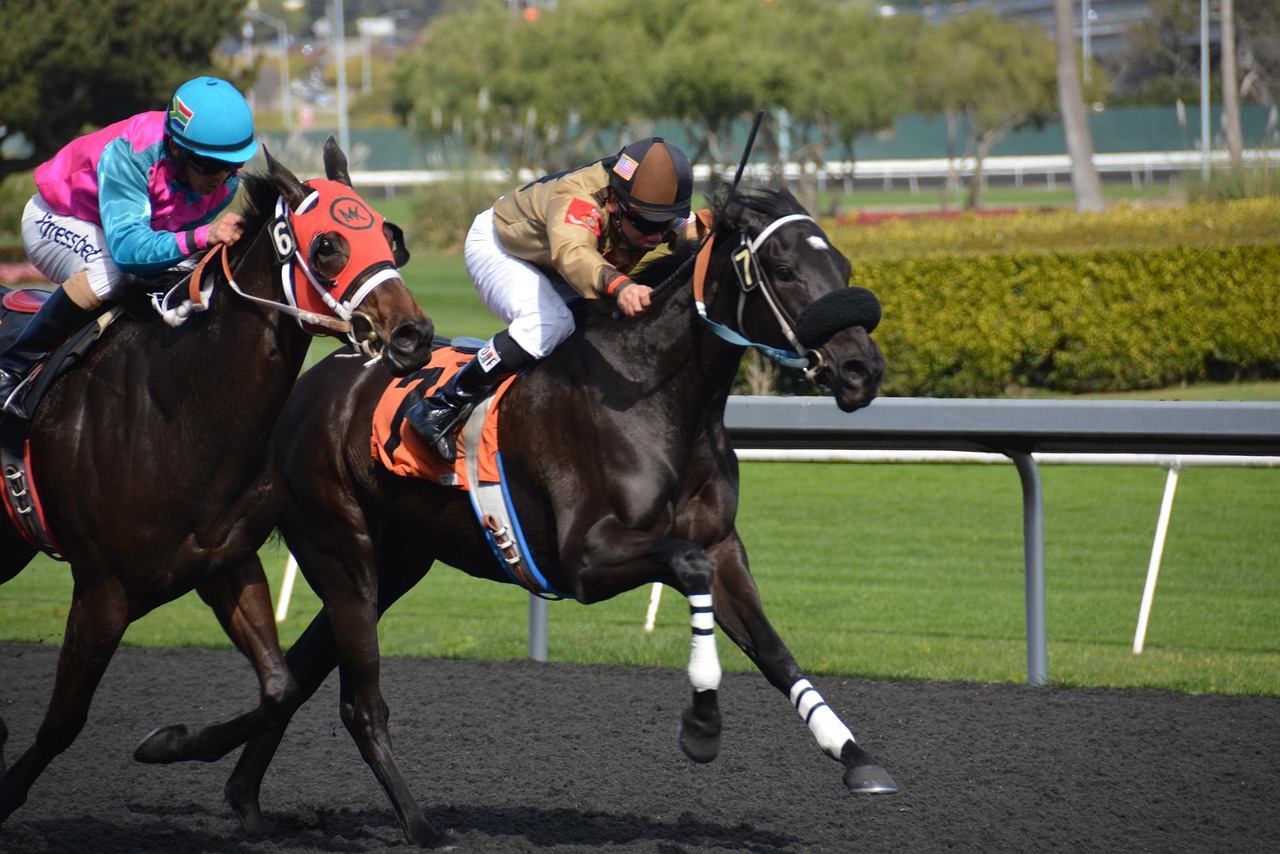
As one of the few venues in the province that combines thoroughbred horse racing and casino operations, Hastings Racecourse offers an impressive venue with more than 500 slot machines located on a sprawling 42,000-square-foot gaming floor beneath the grandstands. The site also features live horse racing and simulcast events from tracks around the world.

Future Plans for Casino Expansion

Plans are already underway for an expansion of Hastings Racecourse & Casino which may include upgrades facilitated through the British Columbia Lottery Corporation (BCLC), the organization that oversees land-based casinos in the province. The anticipated expansion is expected to boost economic output for both the City of Vancouver and the Tsleil-Waututh Nation.

horse racing bets
Image by bianca-stock-photos from Pixabay

Details of the Agreement

While the two parties have signed a memorandum of understanding to proceed, the financial terms of the sale and the official purchase agreement have yet to be formalized. The sale remains subject to regulatory approvals from gaming authorities as well as the city. Great Canadian Entertainment has expressed their commitment to providing support throughout the transition.

In a similar vein, the company previously divested two properties on Vancouver Island—Casino Nanaimo and Elements Casino Victoria—to the Petroglyph Development Group Ltd., owned by the Snuneymuxw First Nation.

Great Canadian operates casino venues and entertainment facilities across several provinces including British Columbia, Ontario, Nova Scotia, and New Brunswick.

“We are thrilled about partnering with the Tsleil-Waututh Nation for this acquisition,” shared Great Canadian CEO, Matt Anfinson. “Given that Hastings is situated on their traditional lands, we have no better custodian to oversee this asset.”

In summary, the acquisition of Hastings Racecourse & Casino by the Tsleil-Waututh Nation reflects a significant milestone for First Nations in British Columbia as they seek to enhance economic self-reliance. With plans for expansion and a focus on collaboration, this development marks a promising future for both the Nation and the Vancouver gaming landscape.

Theft Allegations Involving Casino Spending Surface in Angela Suggs Surrender

Florida A&M AD Surrenders on Theft Charges Involving Casino Spending Allegations

Key Highlights: Analyzing the trends and statistics surrounding casino spending reveals significant shifts in player behavior and market dynamics. This overview focuses on the evolving patterns of where and how players allocate their funds in the digital and physical gambling landscape.

  • Florida A&M’s athletics director is facing felony theft charges.
  • Law enforcement alleges that Angela Suggs misappropriated funds from a nonprofit organization.
  • Some of the alleged illicit spending occurred at casinos.

Angela Adams Suggs, 55, who took on the role of athletics director at Florida A&M University last September, has turned herself in to police following charges of felony grand theft, conspiracy to defraud, and four counts of false claims on travel vouchers.

betting strategies
Image by StockSnap from Pixabay

The investigation, detailed by the Florida Department of Law Enforcement (FDLE), was instigated following a criminal referral from the state Commerce Department’s inspector general after an audit raised concerns about Suggs’ spending activities starting from November.

Central to the investigation is Suggs’ usage of a credit card issued to the Florida Sports Foundation, a nonprofit where she previously served as the president and CEO. The prosecution alleges that she incurred over $24,000 in charges that do not align with the foundation’s goal of promoting sports in Florida.

Casino ‘Business Trips’

It is alleged by law enforcement that during these so-called business trips, Suggs used the Florida Sports Foundation credit card for personal expenses, including cash withdrawals and wire transfers at casinos.

There are claims that Suggs falsified travel vouchers categorizing unauthorized charges as meals. When questioned about these transactions, she argued that some were indeed for business meals, while others were mistakenly charged to the business card.

The Florida Sports Foundation officials have indicated that Suggs has not made reparations for the missed funds. Following her surrender on Monday, Suggs was placed in the Leon County Jail with a bond set at $13,500.

“The ongoing situation is not related to her responsibilities at FAMU, but we are observing the events closely and will respond appropriately,” stated Timothy Beard, Interim President of FAMU.

Suggs commenced her position as athletics director and vice president on October 7, 2024. According to her biography at FAMU, she led efforts in developing Florida’s substantial sports tourism industry, reportedly worth $74 billion, while managing various sporting events.

As a graduate from FAMU with a Bachelor’s in Business Economics and a Master’s in Marriage & Family Therapy, Suggs has established a solid professional foundation.

Hefty Contract

Recently, the FAMU Board of Trustees approved a three-year contract for Suggs, amounting to a total of $750,000, equating to $250,000 annually. Additional performance-based bonuses are tied to her success in generating game guarantees, boosting ticket sales, and enhancing the overall athletic program’s success.

“Mrs. Suggs has a strong reputation within the sports industry. Her extensive knowledge and commitment can take FAMU athletics to new heights, enhancing our athletic programs both in success and community engagement,” said Beard.

Florida A&M is recognized as a public historically black land-grant university, part of the State University System of Florida, with notable alumni including sportscaster Pam Oliver and rapper Common.

Summary: Angela Suggs, the athletics director at Florida A&M University, has surrendered to authorities following grave theft allegations involving personal use of organisational funds for casino trips. With a significant contract and a commendable reputation in the sports sector, her legal troubles could deeply impact both her professional standing and the university’s athletic programs.

FanDuel Parent Flutter Announces Illinois Surcharge Impacting Sports Betting

Illinois Sports Betting Surcharge: FanDuel Parent Flutter Unveils New Fees

  • Starting in September, FanDuel will apply a 50 cent surcharge per bet made in Illinois.
  • Company is the first to respond to state’s recent tax increase, the second in a year.
  • DraftKings likely to follow suit, says analyst.

Flutter Entertainment, the parent company of FanDuel, has announced a significant change impacting the sports betting industry: from September 1, it will implement a 50 cent surcharge for every wager placed by bettors in Illinois. This decision is part of the company’s proactive response to the latest hike in sports wagering taxes imposed by the state, directly affecting the landscape of sports betting in the region.

sports betting
Image by top10-casinosites from Pixabay

Earlier this month, Illinois announced a new sports betting tax whereby operators will incur a 25 cent levy per wager for the first 20 million bets they process. Once this threshold is surpassed, the charge will rise to 50 cents per wager.

For context, during the twelve-month period spanning from April 24, 2024, to March 25, 2025, both FanDuel and DraftKings—two of the largest online sportsbook operators in the US—booked 164 million and 146 million bets respectively in Illinois. Analysts project that the state’s new tax plan could significantly impact the financial outcomes for both organisations, potentially costing them tens of millions of dollars.

“This decision reflects the substantial increase in the cost of operating in Illinois, driven by the new Illinois Transaction Fee,” Flutter stated. “Following previous tax rate hikes, FanDuel made extensive efforts to absorb costs without transferring these to customers.”

Flutter has stated that should Illinois retract the new tax scheme, it will likewise cease the 50 cent surcharge. CEO Peter Jackson has expressed concerns that such surcharges could disproportionately affect smaller recreational bettors. He commented that Illinois might hinder operators that have made significant investments in the state.

Illinois Likely Invited Flutter Response

Year after year, Illinois continues to raise sports betting taxes, likely encouraging responses such as Flutter’s. Tax hikes in such quick succession may adversely affect larger operators.

Analyst Jeffrey Stantial of Stifel commented, “We believe these back-to-back tax increases, along with the high effective rates and volume-based structures, place a burden on Flutter’s sporting practices designed for a more responsible, recreational betting framework.”

Contrary to the industry’s inclinations to avoid surcharges, recent attempts by DraftKings to similarly introduce surcharges were scrapped when competitors, including FanDuel, opted against such measures.

At present, analysts remain hopeful that other states are unlikely to replicate Illinois’ punitive per-wager tax model.

Expect DraftKings to Follow Flutter

With the imminent earnings before interest, taxes, depreciation, and amortization (EBITDA) impacts, it appears that DraftKings is prepared to implement its own surcharge soon.

Jefferies analyst David Katz noted, “Given past practices of DraftKings in similar situations, we estimate that without mitigation, this would pose a ~$70 million EBITDA challenge for DraftKings, prompting action to reduce costs.

According to Katz, both FanDuel and DraftKings could potentially generate an additional $5 million in revenue due to the surcharge and the state’s per-wager tax on the first 20 million bets made by operators.

Essential Facts About Current Sports Betting Tax in Illinois

  • New tax applies to the first 20 million bets: 25 cents per wager
  • After exceeding 20 million bets, the tax increases to 50 cents per wager
  • Flutter plans to cease surcharges if the tax is revoked

Conclusion

The recent decision by Flutter to implement a surcharge on each wager in Illinois highlights how significant tax changes can have broad implications on operators within the sports betting industry. As both FanDuel and DraftKings prepare for the financial impacts of these tax hikes, it remains to be seen how they will adapt to maintain profitable operations while ensuring customer satisfaction.

Resorts World Exits New York Sports Betting Market

Resorts World Exits New York Sports Betting Market

  • Rare casualty in the biggest online sports betting market in the US
  • Resorts World Bet closing up shop on June 30
  • No effect on parent company’s casino ambitions

Resorts World Bet, the online sports betting application operated by Genting, will cease operations in New York on June 30, 2025. This marks a significant moment in the New York sports betting landscape, which has become the most lucrative market in the US since its launch.

Betting
Image by eGamingImagery from Pixabay

The decision comes after the platform struggled to capture significant market share despite being one of the first nine licensed operators. Resorts World communicated to its customers that they could continue to place bets and make deposits until June 16, 2025, but withdrawals must be made by June 22, 2025, to ensure processing before the service shuts down.

“Effective immediately, you will be able to place wagers and make deposits until June 16, 2025,” the company message stated. “However, please be aware that withdrawals must be made by June 22, 2025 to ensure they are processed before the platform closes.”

Background of Resorts World Bet

Operating under the umbrella of Genting Bhd, which has a vast business portfolio extending beyond gaming, Resorts World Bet entered a market that has rapidly evolved. Known for its extensive casino assets in Malaysia, Singapore, and the United States, Genting aimed to leverage its brand to build a strong presence in online sports betting.

Challenges Faced in the New York Market

Since the launch of mobile sports wagering in New York in January 2022, the competition has been fierce. Major players like FanDuel and DraftKings secured the vast majority of the market share, with Resorts World Bet lacking the brand recognition necessary to compete effectively.

For example, FanDuel generated $108.8 million in gross gaming revenue (GGR) with a handle of $803.1 million in May, whereas Resorts World Bet struggled with figures of only $769,446 in GGR on a handle of $9.1 million.

Other Departures from the Market

Resorts World Bet isn’t the only operator to withdraw from New York. WynnBet ceased operations in early 2024 as part of a broader retreat from online gaming, with its license subsequently acquired by ESPN Bet under Penn Entertainment.

Future of Resorts World Casinos

Despite the departure of Resorts World Bet, the company’s brick-and-mortar casinos in New York—the Resorts World Catskills and Resorts World New York in Queens—remain operational. The latter is considered a strong contender for one of the three downstate licenses expected to be awarded by regulators soon.

The Queens venue, functioning solely as a slots casino, has significantly contributed to state revenues over the past 14 years. Should Genting secure a traditional casino license allowing for table games at this site, it could result in substantial revenue increases.

Even though Resorts World Bet is exiting the online scene, the future remains bright for Genting’s brick-and-mortar establishments and potential retail sports betting operations in New York.

Conclusion

The exit of Resorts World Bet from New York’s sports betting arena serves as a stark reminder of the challenges faced by online operators in an increasingly competitive landscape. While the closure marks a setback for Genting, the strength of its casino operations suggests that its broader ambitions in the gaming sector remain intact.

As the market continues to evolve, many will be watching closely to see how New York regulators respond to the changes and what the future holds for new entrants in this bustling state.

Board Appointments and Casino Governance: The Implications of the Penn Director Change

Board Appointments Impact Casino Governance

  • Proxy advisor speaks in favour of Penn directors slate
  • Two others endorsed HG Vora proposal to add three board members
  • Glass Lewis says Clifford isn’t eligible for election

As tensions rise in the ongoing proxy tussle between entities vying for control over major gambling interests, advisory firms are increasingly focused on the complexities of casino governance. Glass Lewis, for example, has made a significant recommendation, throwing its support behind the candidacies of Johnny Hartnett and Carlos Ruisanchez for a board of directors, urging shareholders to vote in favour of these two nominees. This endorsement coincides with competing strategies, including Vora’s campaign, which advocates for the addition of board members, such as William Clifford, who has been deemed ineligible for election by Glass Lewis, highlighting the ongoing struggle for effective casino governance.

Betting
Image by eGamingImagery from Pixabay

In a report that has garnered considerable attention, Glass Lewis recommended shareholders give their votes to Hartnett and Ruisanchez, aligning with what has been termed the “White Card” proposal. Meanwhile, HG Vora is advocating for its own “Gold Card” initiative, which includes Clifford as a nominee. The differences between the two sides have sparked strong debate within the investment community.

“Based on our review, we believe certain aspects of Clifford’s profile may overlap with existing or anticipated members of the board … the board’s assertion that his background is not sufficiently differentiated — and its unanimous decision not to support him despite backing two other dissident nominees — raises questions as to whether he would bring distinctive value at this time,”

This recommendation comes on the heels of endorsements from two other advisory firms, Egan-Jones and Institutional Shareholder Services (ISS), who support the inclusion of Clifford, Hartnett, and Ruisanchez on the board. However, Clifford’s prior affiliations with a regional casino have raised concerns about his suitability, with critiques focusing on his perceived reluctance to embrace the industry’s shift towards modernization.

Glass Lewis Says Penn Didn’t Act in Bad Faith

Vora has voiced its grievances, asserting that there should have been three available director vacancies due to retirements and non-re-elections, but that Penn has reduced this number to two. Vora has labelled this decision as an “affront” to investor democracy, alleging potential violations of federal and state laws during this process.

The hedge fund has stated that the ineligibility of Clifford means he can only be considered if Penn adds another seat or if a court rules in Vora’s favour before the upcoming shareholder meeting scheduled for June 17.

“We do not find sufficient evidence that the board acted in bad faith or with the primary purpose of entrenchment,” the Glass Lewis analysis asserted. The firm concluded that the company evaluated all three nominees from Vora, conducting interviews and providing clear reasons for its decisions. Furthermore, Glass Lewis noted that Penn’s approach to board elections has historically been consistent.

While Vora expresses dissatisfaction with Penn’s board and its commitment to accountability, the casino operator has pointed out that after the forthcoming meeting, a remarkable 75% of its directors will have joined within the last six years, suggesting an effort ongoing to introduce independent perspectives into the company’s governance.

Penn’s Response

Penn has expressed gratitude over the Glass Lewis decision, remarking that it has not actively campaigned for support around its White Card proposal, contending that votes for Hartnett and Ruisanchez carry equal weight regardless of whether shareholders choose to back the Gold Card or White Card.

“Glass Lewis also acknowledges the strength and depth of the skills and experience our directors bring, in addition to our significant refreshment efforts,” is how the Pennsylvania-based casino giant characterised their board’s composition. The continuation of this discourse comes amidst claims from Vora that under Penn’s current leadership, $19 billion in shareholder value has reportedly evaporated, a situation the hedge fund attributes to the actions of the board, including Chairman David Handler and CEO Jay Snowden.

This particular scenario underscores the intense scrutiny and passionate arguments surrounding board compositions in the modern gaming industry. Investors and industry watchers alike remain astutely aware of the implications this proxy struggle will have on not only Penn Entertainment but the greater gaming landscape.

Summary

The ongoing proxy battle involving Penn Entertainment has drawn heightened attention with advisory firm Glass Lewis supporting the candidacies of Johnny Hartnett and Carlos Ruisanchez for board positions. This endorsement has become a focal point for investors as they navigate competing proposals from HG Vora and Penn’s management. As shareholders weigh their options, the results of this dispute could significantly influence corporate governance practices within the gaming industry.