


Bally’s Chicago Casino Project: Stalled Hotel Worksite Signals Uncertainty
Bally’s Chicago Casino Project: Stalled Hotel Worksite Signals Uncertainty
Bally’s Chicago casino is the focus of this original U.S. casino-news briefing after Bally’s Chicago Hotel Graffiti Paints Picture of Stalled Worksite reported the development. The article separates verified source facts from analysis and practical context; it is not a legal conclusion, investment recommendation, betting tip, or promise of a result.
What the source reports
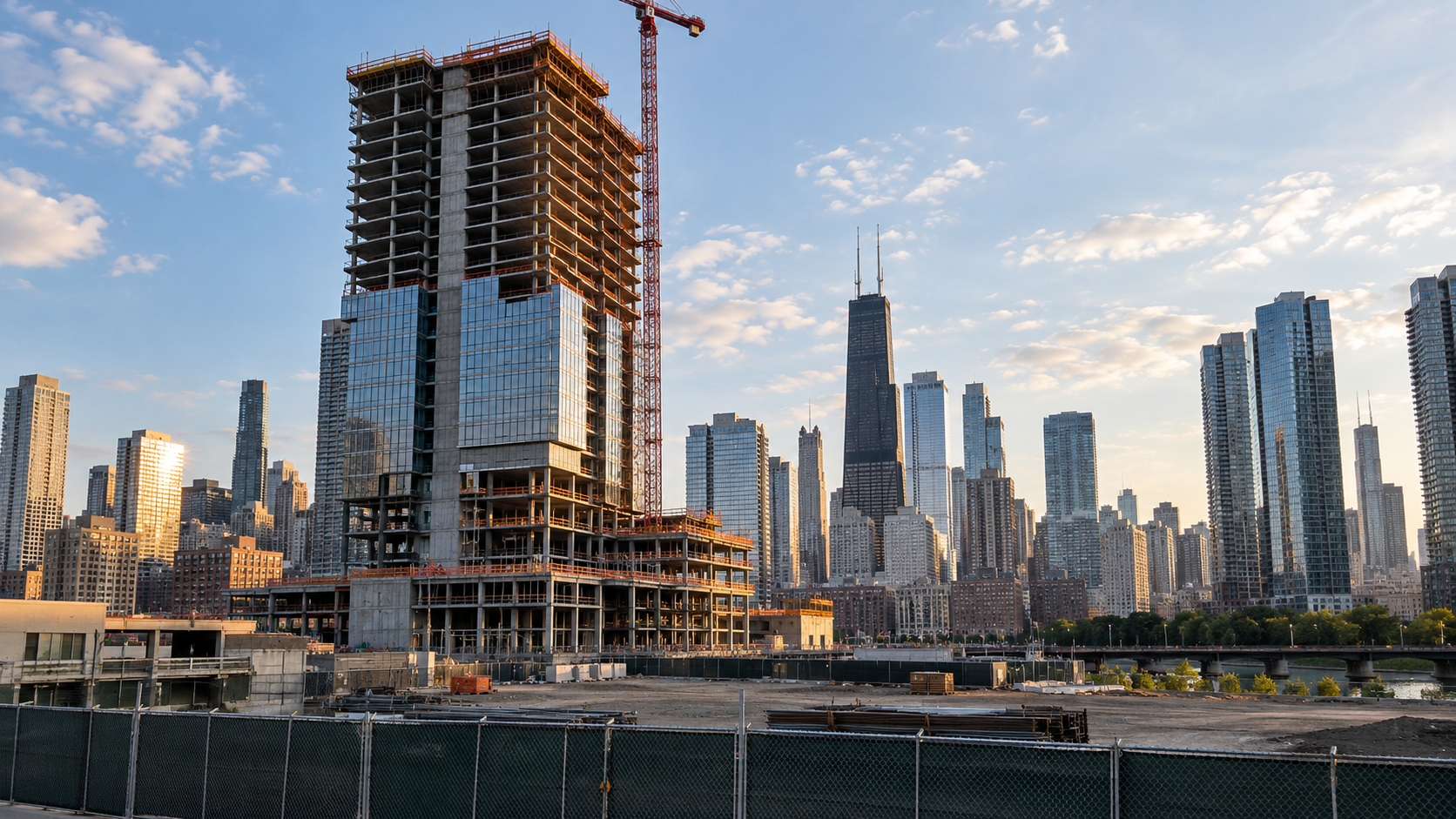
Casino.org News reports that construction on Bally’s Chicago’s 34-story hotel tower stopped on August 9. The stalled worksite, including graffiti on upper floors, has become a visible symbol of uncertainty around a project intended to help address Chicago’s pension shortfall. The source page was published on Mon, 26 Oct 2026 18:14:02 +0000. Readers should open the original report for its complete wording, named documents, later corrections, and updates that cannot be reproduced in a short briefing.
Why Bally’s Chicago casino matters
A stalled construction site does not by itself prove that a project has been canceled. Financing, approvals, contractors, ownership decisions, and public commitments can all affect a development timeline. A casino project also involves licensing and community obligations. Readers should use official city and gaming-board updates for later status.
U.S. casino and gambling markets do not operate under one nationwide rulebook. State law, tribal sovereignty, licensing, court decisions, tax treatment, advertising standards, technology, and consumer-protection requirements can all affect how a development is understood. A result from one property, state, company, regulator, or court proceeding should not automatically be applied to every operator or customer.
How to read the claims and numbers
Readers should identify what is directly reported, what is attributed to a company, analyst, regulator, or public official, and what remains disputed or incomplete. Revenue is not the same as profit. A projection is not a certainty. A license is not proof of future performance. A proposal is not a completed facility. An allegation or threatened lawsuit is not a judgment. A promotion is not a guaranteed return. Those distinctions keep a fast-moving news item useful without overstating it.
Related search phrases include Bally’s Chicago casino, Chicago casino development, casino construction delays. These phrases describe neighboring topics for navigation; they do not add new claims to the source report. Search volume does not establish legality, safety, value, or the likelihood of a favorable outcome.
What to watch next
Follow-up reporting should check official filings, regulator notices, court dockets, property announcements, and later source updates. Where a story involves a proposal, market figure, legal dispute, opening, product, or promotion, the next meaningful event may be a hearing, approval, settlement, updated report, installation, launch, or correction. Readers should confirm dates, terms, age limits, location restrictions, current availability, and any conditions before making travel, financial, or wagering decisions.
Related reading and official context
For related reading on this destination site, see Biloxi Casino Development: City Council Approves Black Marlin Project, Wynn Resorts Updates on UAE Casino Hotel Progress, Tribal Gaming Expansion: Opposition Grows Over Coquille Tribe’s Casino Plans in Medford | 10BET. These links are provided for context and are not endorsements of an operator, product, promotion, investment, or wager. Official context is available from Illinois Gaming Board and American Gaming Association.
FAQ
Does this story change gambling rules across the United States?
No. Its effect depends on the jurisdiction, organization, product, and current official rules. A development in one state, tribal market, company, property, or court case does not automatically apply nationwide.
What should readers verify before acting on the news?
Check the original source, publication date, relevant regulator or organization, current terms, and whether the information is a proposal, estimate, allegation, award, license, scheduled event, or completed action. For financial or legal questions, use current primary documents and qualified professional advice.
How can gambling stay recreational?
Only participate where legal, set a budget and time limit before starting, avoid chasing losses, and never use money needed for essentials. If gambling becomes difficult to control or affects finances, relationships, or wellbeing, take a break and seek confidential help from a qualified support service.
Responsible gambling: Gambling involves risk and is not a way to make guaranteed income. Only participate where legal, use money you can afford to lose, set limits in advance, avoid chasing losses, and seek qualified support if gambling affects your finances, relationships, or wellbeing.
Original source: Bally’s Chicago Hotel Graffiti Paints Picture of Stalled Worksite from Casino.org News. Authoritative supporting links: Illinois Gaming Board and American Gaming Association.