



The Global Culture of Online Poker
Introduction
Card games have woven themselves into the fabric of cultures around the globe, serving not only as entertainment but also as a reflection of societal values, history, and community. This deep historical resonance continues today, with the evolution of these traditional games manifesting in the massive, interconnected world of online poker. This article delves into the cultural significance of card games, highlighting their importance in various regions, the unique games that originated within them, and the communal spirit they promote, especially as we explore the modern dynamic of online poker.
The Historical Background of Card Games
Card games date back to as early as the 9th century in China, with the earliest known prototype of playing cards. From there, they spread to Persia, India, and eventually into Europe. Key historical developments include:
- The Mamluk cards in the 12th century that influenced European designs.
- The introduction of tarot cards in the 15th century, which evolved into both a game and a tool for divination.
Understanding these historical roots is essential as they shape the identity and cultural relevance of card games today. For more on the history of card games, visit Britannica.
Regional Variations of Card Games
Different regions have cultivated unique card games that reflect their cultural nuances:
- China: The game of Mahjong, rooted in card-playing traditions, emphasizes strategy and involves a unique set of tiles.
- Europe: The game of Bridge has gained dominance, embodying sophistication and strategy, particularly among social elites.
- North America: Poker emerged in the 19th century, evolving into a gambling institution that permeates popular culture.
These variations illustrate distinct approaches to game design and social interaction within different cultural frameworks.
The Social Dimensions of Card Games
Card games serve as a medium for social interaction. They foster connections among friends and family in various ways:
- The spirit of cooperation in games like Rummy where players must work together.
- Competitive games like Poker that create bonds through shared tension and excitement.
- Traditions surrounding game nights or family gatherings in many cultures highlight the role of card games in bonding.
These social dynamics enhance relationships and strengthen community connections.
Card Games as Cultural Symbols
In many cultures, specific card games symbolize larger concepts:

- Poker: Known as the “game of life,” representing risk, chance, and strategy.
- Tarot: Beyond gameplay, tarot cards symbolize mysticism and philosophical exploration.
These games often transcend their gaming origins to represent broader societal norms or attitudes.
Modern Trends and Digital Evolution
With the advent of technology, many traditional card games have transitioned into digital formats, expanding their reach. Online platforms have enabled:
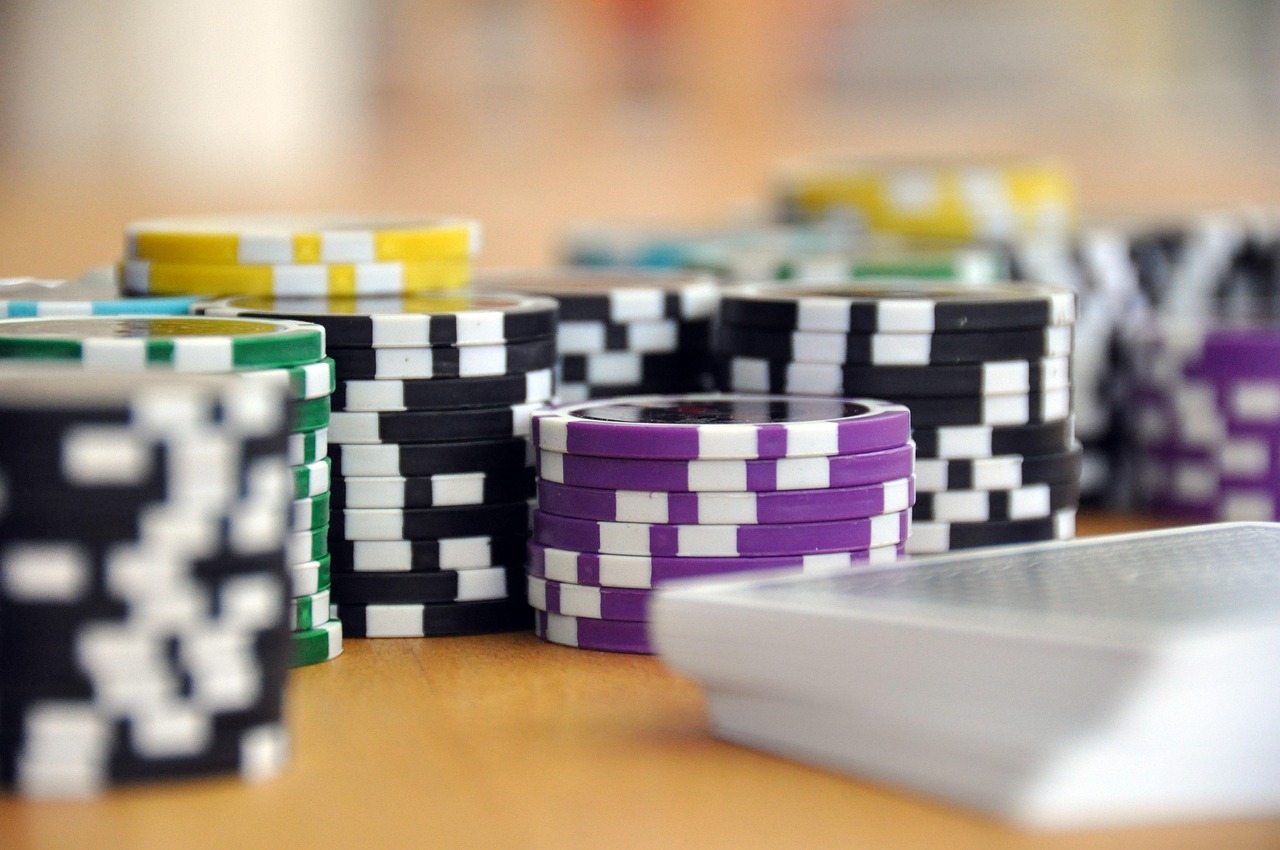
- Global participation in games like Hearthstone, which incorporates cards into a video game format.
- The rise of online poker, which has created new communities and professional avenues for players.
This evolution has transformed how we interact with card games, making them more accessible while still preserving their cultural essence.
The Role of Card Games in Education
Card games also play a significant role in education. They can be efficiently used to teach critical thinking, strategy, and cultural history. Here are a few examples:

- Using games like Uno to teach children about numbers and colors.
- Employing Poker to develop skills in probability and decision-making.
This educational aspect reinforces the cultural significance of card games as tools for learning.
Conclusion
The cultural resonance of card games around the world is profound. From their historical roots to their modern adaptations, they embody social connections, provide educational value, and serve as cultural symbols. As we continue to play and innovate within this realm, the importance of card games will undoubtedly persist in shaping communities across the globe.