


Japanese Gambling History: The Influential Figures Who Shaped It
Introduction
To truly understand the evolution of risk and reward in East Asia, one must examine the profound depth of Japanese gambling history. This intricate legacy is woven into the very fabric of the nations culture, offering a compelling lens through which to view the broader global evolution of gaming. This article will delve into the influential figures and traditions that shaped these practices, tracing the trajectory of Japanese gambling history from ancient ritualistic games to the sophisticated modern era. By exploring various subtopics, we will highlight the unique cultural contributions and the profound transformations that have defined the gambling landscape within Japan.
1. The Origins of Gambling in Japan
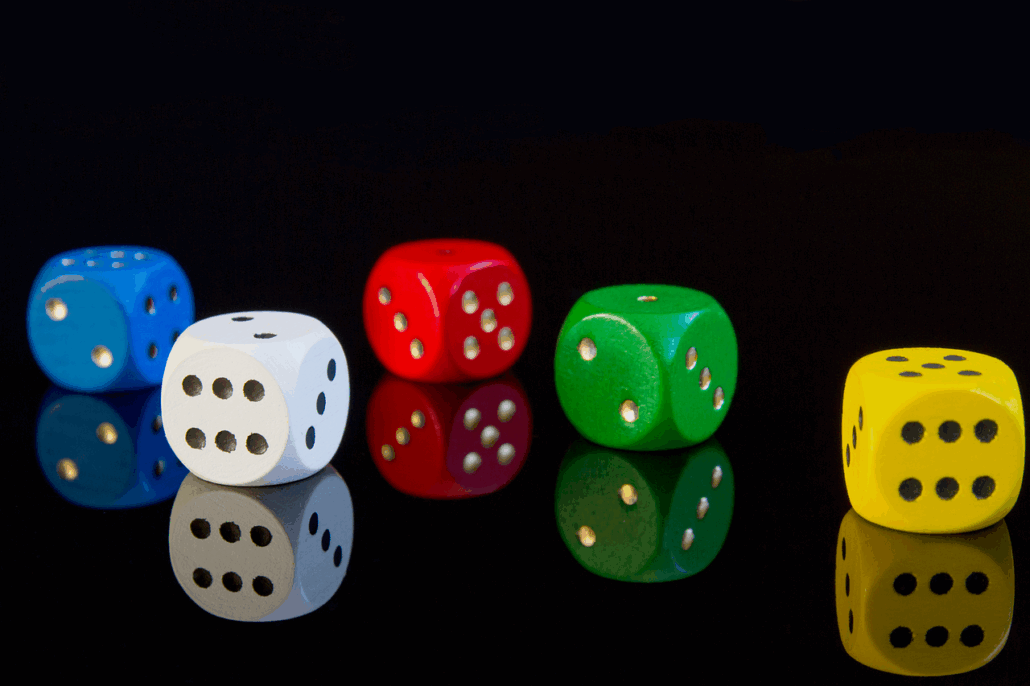
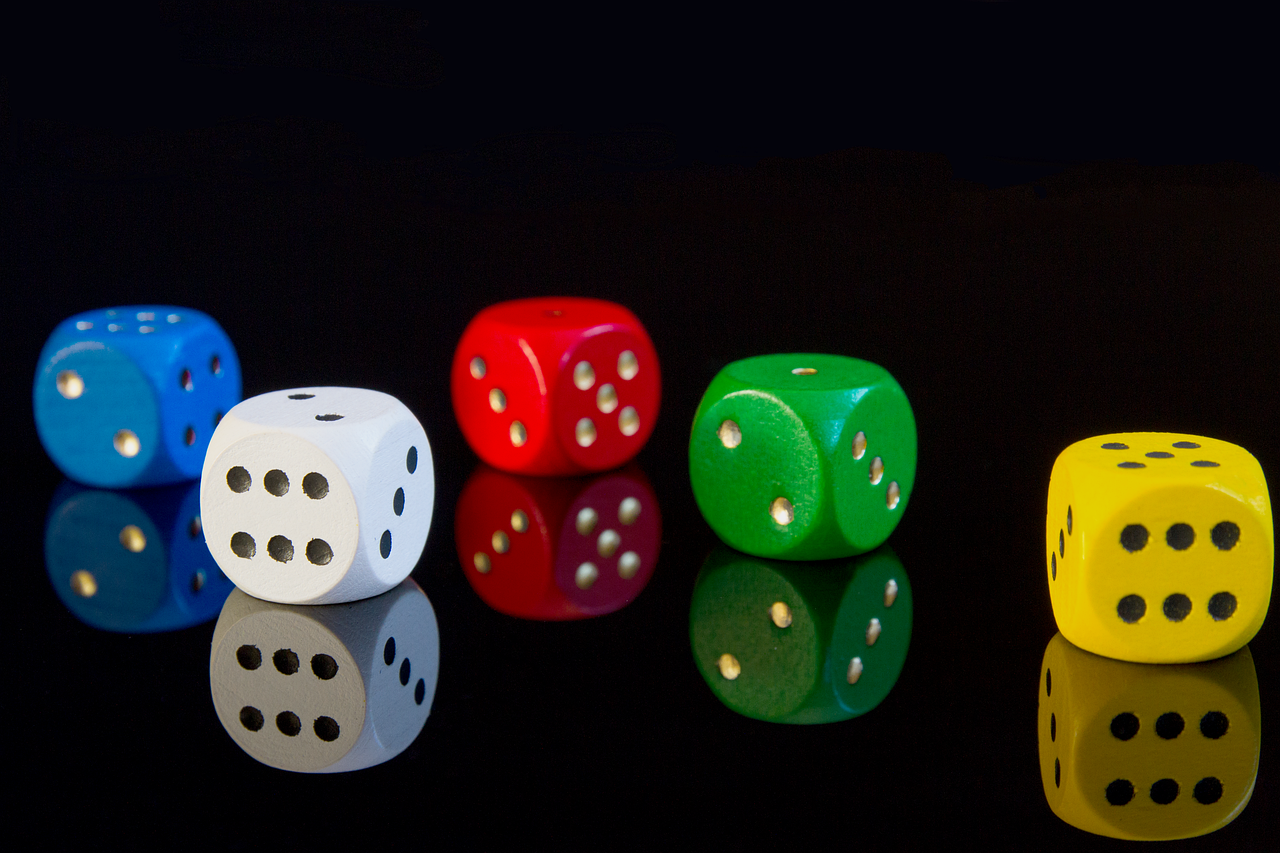
Gambling in Japan can be traced back to ancient times, with games like dice and betting on animal fights. This section explores the early forms of gambling, including:
- Archaeological findings that hint at gambling as early as the Jomon period.
- The influence of Chinese gambling games brought over via cultural exchange.
2. The Edo Period and the Rise of Gambling
The Edo Period (1603-1868) saw a significant increase in gambling activities. Notable figures of this time, such as:
- Yoshitaki Kunisada: Renowned ukiyo-e artist who depicted scenes of popular gambling activities.
- Shogun Tokugawa Ieyasu: Established early regulations that shaped formal gambling practices.
Understanding this era provides insights into how gambling became institutionalized and popularized in Japanese society.
3. The Impact of Pachinko on Japanese Culture
Pachinko is a form of mechanical gaming that became a massive part of modern Japanese gambling culture. Key figures in its transformation include:
- Yoshiharu Amamiya: Founder of the first commercially successful pachinko parlor.
- Tetsuru Takeda: Innovator behind modern pachinko machinery design.
This section highlights how pachinko evolved from a children’s game to a multi-billion dollar industry.
4. The Role of Yakuza in Japanese Gambling
The underworld and organized crime have played a significant role in the evolution of gambling in Japan. Key figures include:
- Kazuo Taoka: Influential yakuza who controlled much of the gambling operations in post-war Japan.
- Yasumoto Takenaka: A notorious figure connected with illegal gambling syndicates.
By examining these figures, we can understand how yakuza influenced gambling regulations and public perception.
5. Modern Legalization Efforts and Influential Politicians
With recent developments in legalizing certain forms of gambling, several politicians have played pivotal roles:
- Naruhito: His reign has been marked by discussions on the future of legalized gambling.
- Akihiko Nishida: Advocate for integrated resorts and casinos.
This section discusses the political landscape and the figures who are driving the changes in gambling legislation.
6. Cultural Icons and Gambling in Popular Media
Japanese media has also reflected and promoted gambling culture through influential characters and storylines. Noteworthy examples include:
- Kaiji Itou: Protagonist of the manga series ‘Kaiji’, showcasing high-stakes gambling.
- Ryōta Kawai: The character from ‘Saki’ who popularized Mahjong in anime culture.
This section explores how these cultural icons have normalized the gambling dialogue in both literature and entertainment.
7. The Future of Gambling in Japan
The landscape of Japanese gambling is changing with technological advancements and new trends. This section will highlight the contributions of various startups and entrepreneurs:
- Yuki Matsumoto: Innovator in online gambling platforms.
- Takumi Inoue: Creator of blockchain-based gambling solutions.
Looking ahead, we consider how these figures may shape the future of gambling in Japan.
Conclusion
From ancient traditions to modern innovations, the history of Japanese gambling is punctuated by influential figures who have left indelible marks on its evolution. As gambling continues to adapt and change in Japan, understanding these historical elements can provide valuable insights into its future.
Further Reading
For a deeper dive into the subject, explore these resources:
- The Japan Times on Pachinko’s Future
- Japan Today on Casino Legalization Efforts