


Olympian Gabby Thomas Harassed by Sports Betting Gambler at Track Meet

Sports Betting Drama: Olympian Gabby Thomas Harassed by Gambler at Track Meet

During a recent athletic event at the Grand Slam Track meet in Philadelphia, three-time Olympic gold medalist Gabby Thomas was subjected to significant harassment by a gambler aiming to disrupt her performance for personal betting gain. This troubling incident highlights the escalating issue of abuse in the sports world, particularly linked to increased sports betting activities.

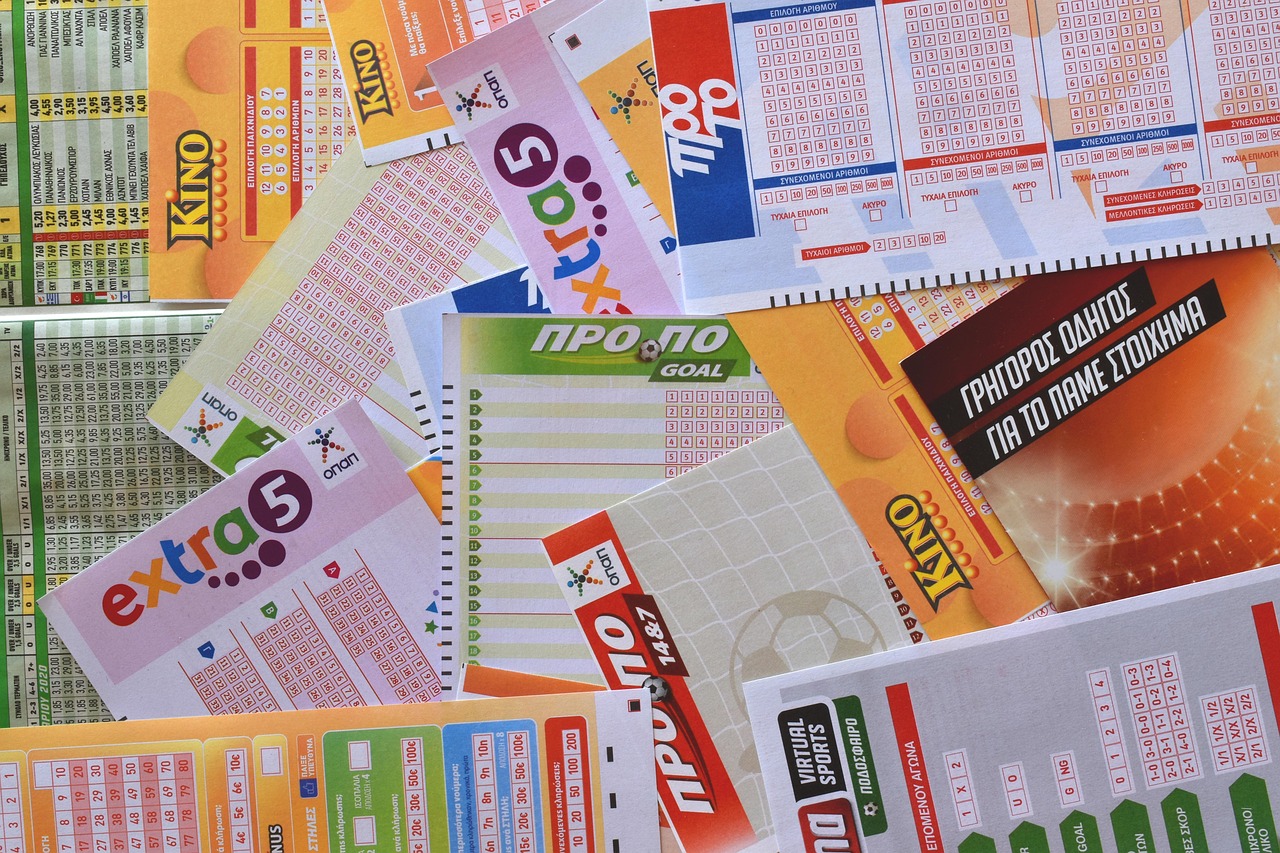
sports betting
Image by eGamingImagery from Pixabay

Videos shared on social media depicted the gambler, known as “Mr 100k a Day,” who openly bragged about his actions, claiming that he had intentionally heckled Thomas to affect the outcome of the race. He even publicly acknowledged that his bet had won due to Thomas’s less than stellar performance, which he attributed to his harassment.

Details of the Incident

  • Gambler’s Claims: The individual boasted on social media that his heckling was purportedly successful in making Thomas lose her race.
  • Social Media Footage: Several clips circulating online showed him shouting insults at Thomas while she prepared for her run in the women’s 100-meter dash.
  • Thomas’s Reaction: In response, Thomas expressed her discontent on social platforms, stating that anyone who supports such behavior is “gross.”

Following the race, which saw Thomas finishing fourth, the gambler continued his harassment, recording further confrontations with her as she engaged with fans, including children, after her race.

The Broader Issue of Athlete Abuse

This incident is not an isolated case. As the sports betting landscape grows, so does the troubling link between gambling and athlete harassment. A recent NCAA study indicated that one in three prominent college athletes has received abusive messages from individuals motivated by betting interests.

These threats can escalate quickly, with examples from previous years indicating severe consequences for those involved in related harassment, showcasing the darker side of gambling and its impact on sports:

  • In 2019, a former college soccer player was sentenced to 18 months in prison after sending threatening messages to athletes due to his gambling losses.
  • In 2021, another individual received probation for making threats against athletes after his wagers did not pan out as expected.

The increase in sports betting regulations and its accessibility in various states has raised concerns about the safety of athletes and how their performances are perceived and impacted by gambling.

Conclusion

The disturbing incident involving Gabby Thomas serves as an urgent reminder of the potential abuse linked to the sports betting boom. As gambling becomes more integrated into the sports culture, athletes’ welfare needs to be prioritized by governing bodies, bettors, and fans alike. Let’s collectively work towards fostering a respectful and safe environment for all competitors.

To stay informed about related news, continue to follow the latest discussions surrounding sports and gambling ethics.
OLGs Innovative Slot Games: Red Panda Tails of Wealth

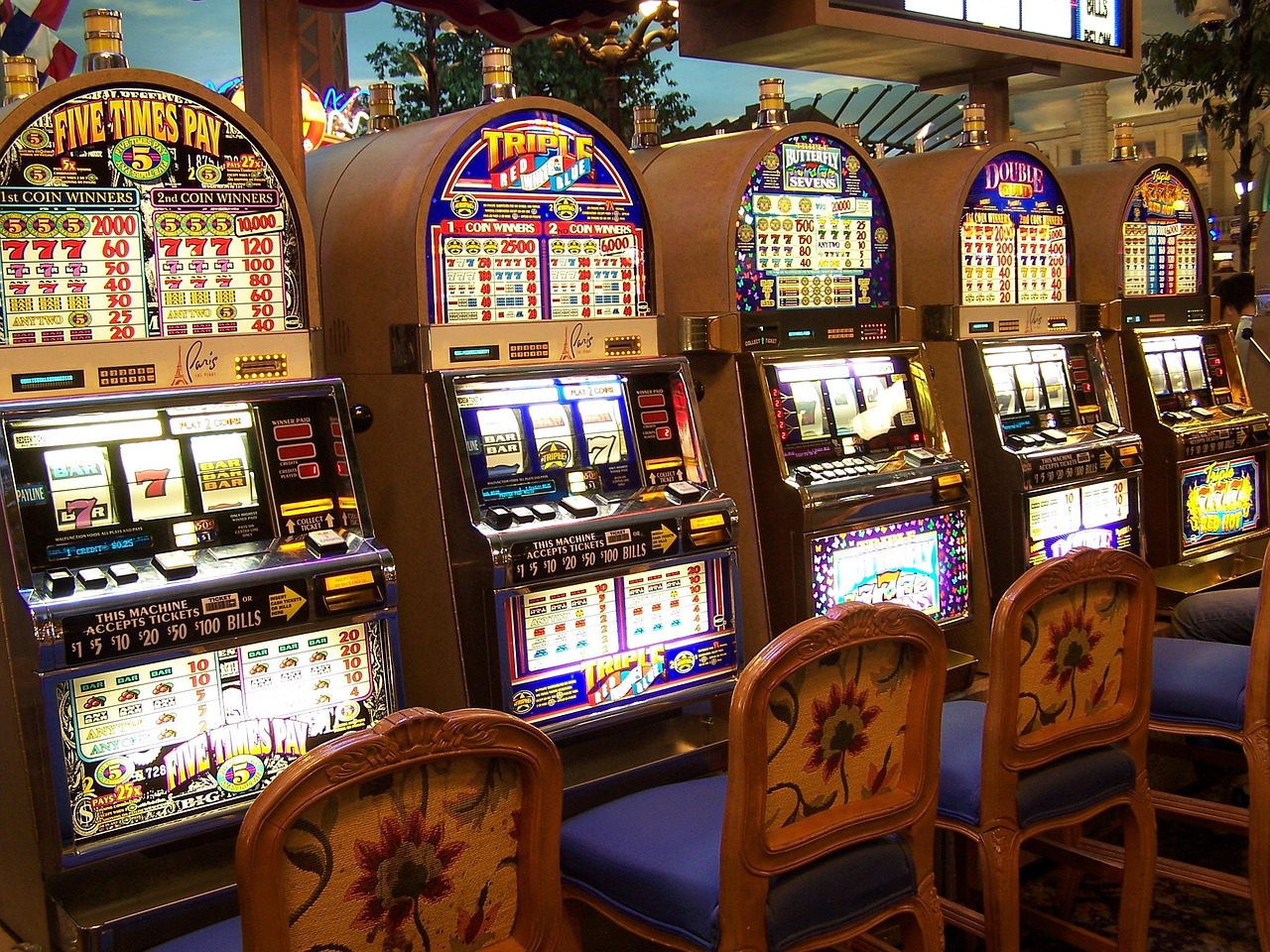
slot games
Image by deluxtrade from Pixabay

Slot Games: OLG’s Innovative Accessible Red Panda Tails of Wealth

In a groundbreaking move shaking up the gaming market, the Ontario Lottery and Gaming Corporation (OLG) has unveiled a digital slot game specifically designed to be accessible for players with disabilities. This innovation highlights the future of slot games, as the game, named Red Panda Tails of Wealth, stands out as the first of its kind, showcasing built-in features that cater to diverse player needs.

Key Features of Red Panda Tails of Wealth

  • The game provides compatibility with assistive technologies including screen readers and keyboard navigation.
  • It features an accessible heads-up display tailored for improved user interaction.
  • To enhance visibility, a high-contrast color palette is utilized, ensuring an inclusive gaming experience.

OLG’s Chief Gaming Officer, Dave Pridmore, expressed excitement about the launch, stating, “We are thrilled to release Red Panda Tails of Wealth on olg.ca, a game that embodies our commitment to prioritising accessibility in game design. This initiative serves as a proof of concept, demonstrating that by removing barriers to play, we can cultivate a more inclusive future in the gaming industry.”

Statistics Highlighting the Need for Inclusivity

Statistics Canada indicates that approximately 28% of Ontario’s population, equating to around 2.9 million residents aged 15 and older, reported having a disability as of 2022. This figure reflects a 3.9% increase since 2017, underlining the urgent need for inclusive solutions in all sectors.

Game Development Collaboration

To ensure the game meets high accessibility standards, OLG partnered with Toronto-based Fable, an organization specializing in inclusive digital product solutions through accessibility testing and training. Fable’s Head of Innovation, Kate Kalcevich, highlighted the importance of integrating the experiences of people with disabilities throughout the development process. She stated, “Our mission is to empower people with disabilities to participate, contribute, and shape society; true accessibility is achieved when we include these perspectives. We’re excited to collaborate with OLG on this innovative venture.”

Comparative Analysis

Red Panda Tails of Wealth aligns with other online casino games in terms of its visual appeal and gameplay, yet it distinguishes itself through its pioneering accessibility features.

Availability

Players can enjoy Red Panda Tails of Wealth exclusively at olg.ca. This novel gaming experience sets a new standard for digital gaming, proving that innovation can indeed enhance inclusivity.

Conclusion

The launch of Red Panda Tails of Wealth not only marks a significant advancement in the realm of online gaming but reflects a broader commitment to creating an inclusive environment for all players. By integrating accessibility features into mainstream gaming, OLG is paving the way for a future where everyone can enjoy the thrill of online casinos.

Vietnam Government Again Pitches Multibillion-Dollar Casino Resort

Vietnam Government Again Pitches Multibillion-Dollar Casino Resort

The Vietnamese government is reviving its proposal for a luxurious casino resort in Quang Ninh Province. This initiative aims to enhance the region’s tourism appeal and economic growth.

casino resort
Image by MichelleMaria_Pitzel from Pixabay
Ha Long Bay, a UNESCO site, could soon be near a sprawling integrated resort casino in the Van Don Special Administrative Zone. (Image: Shutterstock)

Key Highlights of the Proposal

  • Location: Quang Ninh Province, along Vietnam’s northeastern coast.
  • Size: Approximately 600 acres of undeveloped land in the Van Don Special Administrative Zone.
  • Investment: Estimated minimum investment of VN$51.5 trillion (USD $1.97 billion), with initial funding required at VN$7.7 trillion (USD $295.8 million).
  • Development Phases: A three-phase approach with the first phase costing about VN$25.1 trillion.
  • Amenities: Planned facilities include a high-end hotel, gaming areas, a theatre, and spaces for exhibitions and conferences.

Finance Minister Nguyen Van Thang has formally requested Prime Minister Pham Minh Chinh to approve this project, following a similar proposal presented in November 2023 that was set aside. Thang’s advocacy for this lucrative casino reflects Vietnam’s strategy to draw a more diverse demographic of tourists.

The Competitive Landscape

The proposal comes amidst Thailand’s exploration of various casino resorts, putting pressure on Vietnam to act urgently. The aim is to signal Vietnam’s readiness to compete for the high-roller market, especially with Macau tightening its regulations on VIP gaming.

Currently, Vietnam only allows local access to one casino, the Corona Resort & Casino in Phu Quoc, which opened in 2019. This casino has approximately 1,000 slot machines and 100 live dealer tables but is primarily aimed at affluent locals, who must show substantial monthly earnings to gain entry.

Implications for Vietnam’s Economy

The casino industry is pivotal for Vietnam’s economic strategy as it seeks to enhance its position as a premier tourist destination. As part of the government’s vision for sustainable development, this proposal not only seeks to attract international tourists but also facilitates local tourism growth. The long-term view includes making Vietnam an attractive spot for business events and leisure travel.

The Road Ahead

If approved, the proposed casino is expected to transform the economic landscape of Quang Ninh. Given its proximity to major tourist attractions like Ha Long Bay, the development could drive significant footfall, creating jobs and boosting local businesses. With the sheer scale of investment and the expected growth in tourism revenues, the government is optimistic about the future of this ambitious project.

As other Southeast Asian nations explore similar paths, Vietnam’s actions in the coming months will be closely watched by international investors keen to tap into the burgeoning gaming market.

Summary: Vietnam’s renewed proposal for a $2 billion casino resort underscores its ambitions to enhance tourism and attract affluent visitors in a competitive landscape. The project promises to bring economic benefits while positioning Vietnam as a significant player in the Southeast Asian gaming industry.

Analyst Predicts Illinois Tax Gambit Wont Spur Copycat Moves in Sports Betting Industry

Analyst on Illinois Tax Gambit Says It Unlikely to Spur Copycat Moves in Sports Betting Market

  • States unlikely to replicate Illinois plan
  • Illinois requires a fee of 25 cents per wager on the first 20 million bets and 50 cents thereafter
  • Impact on sports betting stocks

The recently announced tax increase in Illinois, part of the budget for fiscal 2026, has sparked a conversation among industry analysts regarding its potential impacts on the broader sports betting landscape. At least one expert believes that it is unlikely other states will adopt a similar initiative that imposes a per bet tax on sports betting.

betting taxes
Image by 6171862 from Pixabay

Under the new framework introduced in the Land of Lincoln, sports betting operators will incur a 25-cent fee for every wager placed on the first 20 million bets, which will double to 50 cents for any additional bets thereafter. This is expected to hit large operators such as FanDuel and DraftKings particularly hard, as evidenced by the recent decline in their stock prices following this news.

Jefferies analyst David Katz noted, “While the immediate financial ramifications are noteworthy, what poses a greater risk is the concern that other states might emulate Illinois’ tax strategy. However, we believe such a scenario is improbable, given the unique tax history of different jurisdictions.”

About a year ago, Illinois had already enacted a tiered tax system where major operators faced steeper tax rates than smaller competitors, which led to fears of similar actions being adopted by other states. However, despite several states increasing their sports betting taxes, none have taken on Illinois’s approach.

How Operators Can Manage the New Illinois Tax

Tax increases structured around gross gaming revenue (GGR) are generally easier for businesses to manage because they can adapt through promotional activities. However, in contrast, the current betting structure in Illinois forces operators into potentially less palatable responses:

  • Instituting minimum bet sizes, which could lead to conflicts with player expectations and regulatory bodies concerned with responsible wagering.
  • Implementing targeted promotions to entice users.
  • Exploring surcharges similar to those DraftKings previously attempted and later retracted.
  • Adopting price adjustments on bets to gradually recover profit margins.

Last year, DraftKings did propose a staging surcharge aimed at sports wagers in several states to contend with high taxes, but the initiative was halted when other firms opted not to join this plan.

The Increasing Likelihood of iGaming Legislation in Other States

While revenue enhancement is a pressing concern for Illinois, it doesn’t imply that other states will quickly follow suit in hiking their sports wagering taxes. Historical trends indicate a preference for diversified gaming options. It appears Illinois has initiated 50 tax hikes since the beginning of J.B. Pritzker’s governorship in January 2019.

According to Katz, “Advancing iGaming is likely a more pragmatic path for numerous state administrations. We regard New Jersey’s approach as a model for success, thanks to its balanced tax rates, rising gaming revenues, and a supportive land-based gaming infrastructure.” Debates are ongoing that the next Illinois budget may encompass measures related to iGaming—a development the industry would undoubtedly welcome, though experts eye Florida as the next likely contributor to the online gaming landscape before 2027.

Current states permitting internet gaming include Connecticut, Delaware, Michigan, New Jersey, Pennsylvania, Rhode Island, and West Virginia.

In summary, while Illinois has taken dramatic steps to amend its sports betting tax policies, the impacts on the wider industry remain to be fully realized. Other states are arguably more likely to explore avenues like iGaming, rather than implementing comparable stringent measures that could inhibit both operators and consumers alike.

Illinois Again Hikes Sports Betting Taxes, DraftKings, FanDuel to Bear Brunt

Sports betting
Image by papazachariasa from Pixabay

Illinois Again Hikes Sports Betting Taxes, DraftKings, FanDuel to Bear Brunt

In a recent move, the Illinois government has announced a second hike in sports betting taxes within a single year. This announcement comes as part of the new budget signed by Governor J.B. Pritzker, and it sheds light on how state regulations are shaping the sports betting landscape in Illinois.

Key Highlights of the Tax Increase

  • Implementation of a new tax structure: Operators will be required to pay 25 cents on every bet for their first 20 million bookings.
  • Increased levy on subsequent bets: After the first 20 million bets, the tax will rise to 50 cents per wager.
  • Major companies affected: DraftKings and FanDuel will bear the brunt of this tax, as they have been facing similar issues with other graduated tax plans previously.

Financial Implications for Operators

According to analysts, this tax hike could have significant consequences for the financial forecasts of DraftKings and FanDuel. Over the past year, DraftKings reported 146 million bets, whilst FanDuel recorded 164 million. Following the tax increase, FanDuel may face an added cost of approximately $77 million, whereas DraftKings could be impacted by around $68 million annually if implemented.

“Should this tax take effect on July 1, 2025, the projected costs for this year’s financial guidance alone (July to December) would be around $40-$45 million for FanDuel and $35-$40 million for DraftKings,” said Truist Securities analyst Barry Jonas.

Additional Operators Affected

Other sportsbook operators are also likely to feel the pinch. BetMGM may face about $4 million in additional costs due to the increased tax, while local Chicago-based Rush Street Interactive could see losses around $3.25 million. The new tax is estimated to generate an additional $36 million in state revenue.

How Will Companies Adapt?

Analysts suggest that DraftKings and FanDuel might consider several strategies to handle the new tax burdens:

  • Imposing minimum bet sizes to maintain profitability
  • Passing the increased costs on to bettors through surcharges
  • Adaptive strategies to fend off emerging competitors like prediction market operators

While larger companies can withstand these changes, smaller operators may struggle, leading to a potentially consolidated market in the long run.

Future Legislation and Financial Stability

This tax increase could also pave the way for upcoming discussions on iGaming legislation, offering states additional avenues for revenue generation at a time when fiscal challenges are apparent. However, it should be noted that Illinois currently ranks poorly on fiscal stability—50th for long-term and 41st for short-term stability according to U.S. News & World Report.

Projected deficits forecast by the governor’s office stand at $3.2 billion for fiscal 2026, with expectations of climbing to $4.1 billion the following year and reaching $5 billion by 2028. Since assuming office in January 2019, Governor Pritzker has instituted over 50 tax increases, while the state budget has risen significantly at $16.7 billion.

Conclusion

This tax increase represents one of many steps the Illinois government has taken towards regulating and capitalising on the growing sports gambling market. While it aids the state in its fiscal efforts, it places a considerable burden on some of the nation’s most prominent sports betting companies, which may be forced to make strategic adjustments in response.

If you have any tips about betting strategies or advice on how to handle these changes, feel free to share your insights below.

Macau Casino Revenue Tops $2.6 Billion in Post-COVID Recovery

Casino revenue
Image by stux from Pixabay

Macau Casino Revenue Soars to $2.6 Billion in Post-COVID Recovery

The dramatic surge in Macau casino revenue to a stunning $2.62 billion in May 2025 has captured the attention of global investors and industry analysts alike. This milestone represents the highest earnings recorded since the onset of COVID-19, signaling a powerful recovery for the region. Such an extraordinary leap in Macau casino revenue not only denotes the market’s best performance in the post-pandemic era but also reflects a growing, robust optimism in the future of the gaming industry in Macau.

Key Highlights

  • Best post-COVID revenue month: May 2025 stands as the peak revenue month for the region.
  • Licensees in the region: Prominent operators such as Sands, Galaxy, MGM, Wynn, Melco, and SJM are part of Macau’s vibrant gaming landscape.
  • Growth Statistics: Revenue increased by 12.4% from April and saw a 5% rise compared to May 2024.
  • Visitor influx: Over 850,000 visitors flocked to Macau during the Labor Day holiday from May 1 to May 5.
  • Daily GGR Average: During the peak holiday period, casinos reported daily GGR exceeding $123.9 million.

Market Recovery

The return of tourism was a pivotal factor driving this revenue surge, particularly during the annual May 1 public holiday. Macau stood out as a leading destination for leisure travel, heralding a revitalised demand for its casinos.

Visitor Statistics

Though the full visitor data for May has yet to be published by Macau’s Statistics and Census Service, analysts predict a steep year-on-year increase in visitation, showcasing the region’s resurgence.

Impact of Policy Changes

In late 2022, Chinese President Xi Jinping abolished strict COVID control measures, which directly affected the gaming sector in Macau. Notably, the expulsion of VIP junket groups aimed at reducing illicit financial flows prompted casinos to pivot towards attracting mass-market players.

Investments and Innovations

The December 2022 licensing renewal included mandatory investments of over $16 billion in non-gaming facilities. This strategic move aims to diversify Macau away from being solely gaming-focused, thus boosting the economy.

Analysts remain cautiously optimistic about these changes. While initial expectations were subdued, better-than-expected performances in April and May are promising indicators for future growth.

Future Projections

JP Morgan analysts foresee further growth in June with a projected year-on-year GGR increase of 3.4%. This forecast reflects a stabilising landscape in Macau’s gaming market.

Conclusion

Macau’s casino recovery is a remarkable testament to the region’s resilience and adaptability. The impressive revenue month of May 2025 showcases not only a comeback from the pandemic but also a shift towards a more balanced gaming and tourism ecosystem.

Sports Betting Leaders: Discover the NBA and NHL Players and Teams Who Have Bet the Most

Sports Betting Rankings: Most Bet NBA and NHL Players and Teams

As Gilgeous-Alexander and McDavid lead their teams into the NBA and NHL Finals, the stakes are incredibly high for fans engaging in sports betting, making these championship matchups must-watch events for every wagerer.

The LA Lakers as the Most Bet NBA Team, Golden Knights as the Most Bet NHL Team

Jokic Sets New League Highs in Tickets and Handle


As Canadian sports fans gear up for an exciting finals season, two exceptional talents—Shai Gilgeous-Alexander in the NBA and Connor McDavid in the NHL—are making headlines. This season has showcased their prowess, and fans are eager for the showdown ahead.

sports betting
Image by ClickerHappy from Pixabay

The Edmonton Oilers, under the leadership of Connor McDavid from Richmond Hill, Ontario, are set to face the Florida Panthers at Rogers Place. In this rematch of last year’s finals, the Panthers claimed victory in a thrilling seven-game series.

Coming up on Thursday, the Oklahoma City Thunder, guided by Canadian MVP Shai Gilgeous-Alexander, will host the Indiana Pacers for Game 1 of the NBA Finals. After a stellar performance this season, Gilgeous-Alexander has jumped from +900 to -625 in odds for winning the finals MVP at BetMGM.

“The Thunder are strong favorites for the NBA Championship, representing a substantial outcome for sportsbooks in the futures market. We hope to see the Pacers not lifting the Larry O’Brien Trophy,” said Christian Cipollini, Trading Manager at BetMGM.

Ovechkin Holds Title as Most Bet NHL Player

While the season has been electrifying for sports fans, BetMGM’s statistics reveal a gap between player performance and betting enthusiasm. Recently released data highlights the most bet teams and players in the NBA and NHL for the 2025 regular season.

On the NBA front, only one of the top five most-bet players reached the finals—Shai Gilgeous-Alexander, who accounted for 1.55% of player prop tickets. Interestingly, no other players exceeded 1.5% ticket share or 1.3% handle share during the NBA conference finals.

The Los Angeles Lakers led the pack with a handle share of 6.19% and a ticket share of 5.84%, followed closely by the Boston Celtics and Cleveland Cavaliers.

Lakers Claim the Title of Most Bet NBA Team

Denver’s Nikola Jokic has emerged as the most bet NBA player, boasting 1.9% of all bets placed along with a handle share of 1.78%. Interestingly, Gilgeous-Alexander ranked fifth, with ticket and handle shares of 1.55% and 1.36%, respectively.

In contrast to the NBA, the Oilers were not as popular for betting compared to the Vegas Golden Knights, who topped NHL betting tickets (5.70%) and handle (5.97%). The Winnipeg Jets and Toronto Maple Leafs followed closely.

On the NFL side, Alex Ovechkin from the Washington Capitals gained momentum as the most bet NHL player, gathering 1.91% of tickets and a handle of 2.22%, while McDavid was ninth with 1.37% tickets and 1.64% handle. Ovechkin’s prominence in media due to breaking Wayne Gretzky’s all-time scoring record of 894 goals likely boosted his betting popularity.

Quick Facts:

  • The NBA Finals featuring the Oklahoma City Thunder vs. the Indiana Pacers, led by MVP Shai Gilgeous-Alexander.
  • The NHL Finals features the Edmonton Oilers against the Florida Panthers for a rematch of last year’s thrilling contest.
  • Most bet teams: LA Lakers and Vegas Golden Knights.
  • Most bet players: Nikola Jokic (NBA) and Alex Ovechkin (NHL).

In summary, BetMGM’s announcement of the most bet NBA and NHL players and teams reflects a riveting sports season with heightened interest and betting activities. Canadian stars Shai Gilgeous-Alexander and Connor McDavid are leading the charge, making the upcoming finals a must-watch for sports enthusiasts and bettors alike.

Ensuring Lottery Integrity: How the Four-Year Extension Cleared the Legislature

Lottery Integrity Secured: Four-Year Extension Clears Legislative Review

The viability of the Texas Lottery is now directly tied to questions of lottery integrity, as lawmakers have passed Senate Bill 3070 to extend its operations for another four years. This legislative move is particularly critical following intense scrutiny and controversy surrounding the system, especially after a significant $95 million jackpot was claimed by a European syndicate, raising serious doubts about the fairness and security of the operation.

Key Updates on the Texas Lottery

  • Senate Bill 3070 Extends the Lottery – Lawmakers voted to extend operations for another four years.
  • Oversight Shift – The Texas Lottery Commission, under fire for its management, will be dissolved with oversight moving to the Texas Commission on Licensing and Regulations.
  • Jackpot Controversy – The decision follows an uproar about a $95 million win that drew questioning of the lottery’s integrity.

On May 30, the Texas Senate approved House amendments to SB 3070, which is now awaiting the Governor’s signature. This bill seeks to maintain the lottery’s operations while implementing necessary reforms in its oversight.

Lottery
Image by Tumisu from Pixabay

The future of the lottery will be decided later by the Texas Sunset Advisory Commission, a 12-member body responsible for evaluating the efficiency of state agencies. This bill aims to ensure more stringent controls to uphold the integrity of the lottery.

Immediate Abolition Attempts Rejected

The initial proposal to completely abolish the Texas Lottery failed after the House rejected it. The Senate had already decided to extend its existence, but with amendments to allow for longer oversight. Among the amendments was an extension from two years to four years.

Controversial Jackpot Claim

The lottery faced backlash after a shadowy European syndicate was able to claim a prize following a bulk lottery ticket purchase that manipulated the odds significantly. This raised concerns about lottery rules and the integrity of the system.

Senate Bill 3070 specifically targets this issue by making it illegal for courier services to operate in relation to ticket purchases in Texas, capping individual purchases to a maximum of 100 tickets—and all purchases must now occur in-person at licensed vendors during standard business hours.

Historical Context

The push for reform isn’t new. Since its inception in 1992, numerous efforts have been made by legislators concerned about the lottery’s impact on society, including accusations of promoting gambling addiction and negative effects on low-income demographics.

Despite these controversies, the lottery contributes around $2 billion annually to the Texas treasury, primarily funding public education initiatives.

Takeaways

  • The Texas Lottery has been granted a four-year extension, a decision influenced by public scrutiny and legislative amendments.
  • A shift in oversight from the Texas Lottery Commission to the Texas Commission on Licensing and Regulations aims to enhance operational accountability.
  • Senate Bill 3070 introduces significant reforms to prevent bulk purchasing and ensure transparency in lottery operations.

In summary, the extension of the Texas Lottery’s operations serves not only to alleviate short-term concerns of its shutdown but also reflects ongoing debates over the impact and integrity of state-sponsored gambling in Texas. More reforms may follow as the state continues to grapple with the complexities of the lottery system and its broader implications for society.

Sports Betting Lawsuit: Bettor Sued for $14.2M Over Weather-Based Predictions

betting disputes
Image by NoName_13 from Pixabay

Sports Betting Legal Battles: Bettor Sued for $14.2M Over Weather Predictions in DraftKings Dispute

The high-stakes world of sports betting often leads to intense legal battles when outcomes are called into question, as demonstrated by a notable case involving Iowa resident Nicholas Bavas. Bavas has taken legal action against DraftKings, seeking a massive $14.2 million in damages after the platform voided his golf wagers. An astute participant in the sports betting market, Bavas placed his bets based on weather predictions he believed would influence the Pebble Beach Pro-Am tournament, a dispute that underscores the massive financial risks and complexities inherent in professional wagering.

  • Bavas placed five parlays predicting top finishers at Pebble Beach Pro-Am.
  • His wagers were based on anticipated weather delays that could shorten the tournament.

Just ahead of the tournament, Bavas meticulously studied weather reports and anticipated that rain would disrupt the event, leading to a potential shortening of play. On February 3, 2024, after the third round and with ominous skies ahead, he placed five parlays on DraftKings totaling a stake of $325, accurately predicting those top contenders, including tournament leader Wyndham Clark.

Rain Stops Play

On February 4, PGA Tour officials delayed the start of the final round multiple times before ultimately cancelling the play, confirming the standings as of that day as final results. This scenario paved the way for Bavas to potentially collect an enormous payout for his successful predictions.

Instead of celebrating a fortune, Bavas found his bets unceremoniously voided by DraftKings. The sportsbook cited a rule stating that all futures bets placed after the last play of the final round are nulled, which they applied to Bavas’s wagers.

However, Bavas seeks to challenge this ruling, arguing that his bets were not simply for a single winner but involved multiple players—essentially a set of complex bets. His lawsuit claims that even if one part of the bet was voided, the rest should pay out at adjusted odds, insisting that DraftKings is selectively enforcing their rules to avoid a significant payout.

Allegations of Inconsistent Application of Rules

Bavas further argues that had he lost the wager under similar circumstances, DraftKings would not have allowed him the opportunity to void the bet or receive a refund. This presents a perceived inconsistency in how DraftKings applies rules depending on the potential payout.

“When DraftKings makes an error or accepts a bet that should not have been placed, it seems different rules are invoked to the sportsbook’s benefit,” states Bavas’s complaint.

The legal action filed against DraftKings accuses them of breach of contract alongside violations of several consumer-protection laws.

Bettors Join the Fray

Bavas is not alone in feeling wronged; many other bettors who were also influenced by the weather have expressed their frustrations on social media. This recent spate of discontent highlights a growing tension between online sportsbooks and their customers, particularly in the burgeoning sports betting market.

Conclusion

This lawsuit underscores the complex relationship between sports betting regulations, the weather’s unpredictable nature, and how sportsbooks manage their operations amidst claims and payouts. It remains to be seen how this case will unfold and whether it will prompt changes in how betting companies handle similar situations in the future.

As the sports betting industry continues to evolve, understanding the implications and customer rights remains vital, and cases like Bavas’s may lead the way for important discussions around bettor protection in this fast-paced world.

Summary: Nicholas Bavas is suing DraftKings for $14.2 million after his bets on the Pebble Beach Pro-Am were voided due to rain. His case raises crucial questions about betting terms and conditions, highlighting the tension between sportsbooks and bettors.

Japanese Man Sentenced for Online Gambling Crime

Japanese Man Sentenced for Online Gambling

  • Makoto Chomabayashi faces five years in prison for gambling in an online casino, which is illegal in Japan.
  • Three years is the maximum for his gambling, then another two for acting as a casino affiliate.
  • Chomabayashi is believed to have gambled $194 million, the largest sum ever gambled by an individual in the country.

A 38-year-old Tokyo man, Makoto Chomabayashi, is facing a maximum sentence of five years in prison due to his activities in the realm of online gambling, which is strictly illegal in Japan. Reports by the Japanese media, particularly the Asahi, detail that Chomabayashi, a company worker from Fukushima Prefecture, has gambled an astounding total of 28 billion yen (approximately $194 million) since August 2022. This staggering amount is believed to be the highest ever wagered by an individual within Japan.

online gambling
Image by besteonlinecasinos from Pixabay

Chomabayashi reportedly lost over $270,000 to his gambling addiction, predominantly placing bets on baccarat through the international casino website Stake. Stake is operated by Medium Rare N.V. and is licensed in Curaao, an island nation situated off the Venezuelan coast.

Additionally, he has been charged with acting as a “casino affiliate,” which includes promoting Stake to others in exchange for a 2% commission on the wagers made by his referrals. Authorities claim he referred more than 100 people to the online platform, pocketing around $48,000 in commissions.

The severity of Chomabayashi’s potential prison sentence is noteworthy; combined charges could lead to five years behind bars, whereas charges solely related to habitual gambling could cap out at three years. However, experts anticipate that his cooperation with authorities and the absence of any prior criminal record may soften his sentence.

The Tokyo Metropolitan Police Department reported that Chomabayashi acknowledged his awareness of Japan’s laws against online gambling but seemed to think he would evade detection, despite broadcasting his wins on X (previously known as Twitter) under the alias “Meikyoshisui”, meaning “clear mirror, still water”.

Chomabayashi expressed his thoughts about being just one among hundreds of thousands of online players in Japan, indicating, “I believed I was merely the tip of the iceberg.”

Data from the National Police Agency indicates that approximately 3.37 million people in Japan have participated in online gambling, with total wagers surpassing $8 billion annually. Alarmingly, the same study found that as many as 40% of these participants were unaware of the illegality of their activities.

In light of this case, the Japanese government has amplified its initiatives against illegal gambling, incorporating more rigorous penalties aimed at not only the gamers but also affiliate marketers and payment processors that facilitate these transactions. Last year alone saw 279 arrests related to online gambling, marking a startling 160% increase compared to the previous year.

Conclusion

The case of Makoto Chomabayashi sheds light on the ongoing challenges surrounding online gambling in Japan. As authorities increase their efforts to enforce the law, the risk of severe consequences looms for those who partake in what is deemed illegal by national legislation. This incident also highlights the significant financial impacts individuals can experience due to gambling addiction, reaffirming the need for awareness and preventive measures in society.