Live Casino Expansion: Xfinity Live! Announces Major Growth in Philadelphia
Xfinity Live!, home to an expansive Live casino experience located in Philadelphia’s Stadium District, is thrilled to announce its first significant expansion since its inception in 2012. This $15 million project aims to enhance the dining and entertainment experience for patrons, further elevating the atmosphere for all who enjoy the live gaming and hospitality.
A Landmark Investment for Enhanced Community Engagement
The expansion transforms the plaza into a two-story complex, featuring an upscale rooftop oasis known as AVA. Additional offerings include an open-air beer garden, expanded facilities at the PBR Cowboy Bar, and a revamped turf area for events and community activities.
Dedication to Community and Visitor Experience
Blake Cordish, principal of The Cordish Companies, emphasized their commitment to fostering a vibrant gathering space: “This investment reflects our promise to provide a unique destination for festivals, sports viewing, and community engagement unlike anything else in the area.”
About Live! Casino
The Cordish Companies also invested $700 million in the establishment of Live! Casino & Hotel Philadelphia, which opened in early 2021, further contributing to the entertainment landscape in Pennsylvania.
Conclusion
With the new expansion, Xfinity Live! aims to solidify its position as a cornerstone of Philadelphia’s Stadium District, promising a more dynamic and engaging experience for visitors and locals alike.
https://jumbabet.blueseo.co.za/wp-content/uploads/2026/04/pixabay-455591-1776606952816.jpg8531280adminhttp://jumbabet.blueseo.co.za/wp-content/uploads/sites/20/2022/10/jumbabet.pngadmin2026-03-22 09:38:392026-06-23 09:48:07Live Casino Expands in Philadelphia: Xfinity Live News
Las Vegas Casino Scene: Upcoming Music Shows from Cheap Trick and B-52s
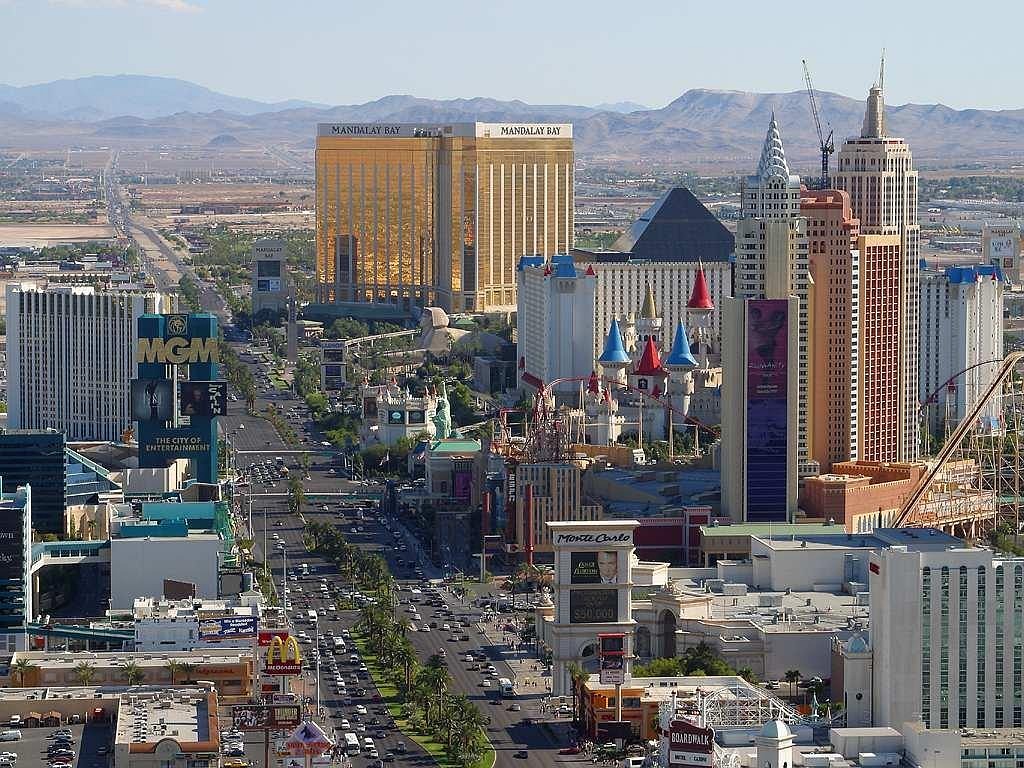
The vibrant energy of the city is driven by the electric atmosphere of any world-class Las Vegas casino, where the thrill of the game meets a spectacular music scene. This high-stakes excitement continues to thrive, perfectly complementing the legendary entertainment lineup slated for 2025, featuring iconic performances from bands like Cheap Trick and the B-52s.
Cheap Trick, the legendary rockers known for their hit cover of Elvis Presley’s “Don’t Be Cruel,” are set to take the stage at the historic Westgate on February 8, 2025. This performance promises to be memorable, as it’s only their second time at the venue since their debut back in 2009.
B-52s Extend Their Residency
The B-52s have announced that their “LOVESHACK” residency at the Venetian will continue into 2025. After a successful run that began in May 2023, they are set to return to the Venetian Theatre on November 13, wrapping up their 2024 dates. From there, they’ll head back to Athens, Ga., but return to Las Vegas for additional shows on:
Duran Duran is set to perform on December 30 and 29, 2025, at the Fontainebleau’s Bleau Live Theater. Their high-energy performances have made them a household name, and this upcoming concert is expected to be a memorable celebration to ring in the New Year.
With an array of exciting performances lined up, the Las Vegas music scene remains as lively as ever. Fans of iconic bands can look forward to unforgettable moments filled with nostalgia and entertainment as legends like Cheap Trick and the B-52s continue to enchant audiences in Sin City.
https://jumbabet.blueseo.co.za/wp-content/uploads/2026/04/pixabay-2057886-1776607016485.jpg8531280adminhttp://jumbabet.blueseo.co.za/wp-content/uploads/sites/20/2022/10/jumbabet.pngadmin2026-03-19 08:28:382026-06-23 09:48:07Live Music Meets the Las Vegas Casino Scene: Cheap Trick & B-52s | 10BET
Thailand’s Casino Market Poised for Major Expansion
In an exciting projection, analysts from Citi have reported that Thailand’s casino market could eventually yield annual gross gaming revenue (GGR) that surpasses that of Singapore, positioning the country to become the third-largest gaming jurisdiction globally.
Citi analysts George Choi, Preenapa Detchsri, and Timothy Chau forecast an impressive GGR of $9.1 billion when Thailand’s gaming industry stabilizes. This surge would position it just below the massive markets of Macau and Las Vegas. Although the Thai government has yet to fully legalize integrated resorts, there is a strong effort underway to expedite legislative approval.
Deputy Finance Minister Julapun Amornvivat has pledged to present a refined draft law to the cabinet by the end of 2024, with hopes that this will trigger the licensing process for casinos as soon as possible.
Comparing Thailand and Singapore
While comparisons with Singapore are intriguing, it is important to note that the two markets are not identical. Singapore currently operates just two integrated resorts — Marina Bay Sands and Resorts World Sentosa — and these venues hold monopoly protections for the next three decades, limiting market expansion.
As a result, should Thailand launch with four or five casinos, it stands to reason that it could quickly surpass Singapore in terms of GGR simply due to the larger number of establishments. Singapore generated approximately $5.11 billion in GGR in 2023, marking its best performance since the onset of the COVID-19 pandemic.
Why Thailand is an Attractive Gaming Destination
Despite its lack of regulated gambling venues, Thailand remains a compelling place for gaming operators. Factors contributing to its allure include:
Tourism Appeal: Thailand is a leading tourism hub in Southeast Asia, drawing travelers from around the world.
Proposed Regulations: Legislators are crafting regulations designed to attract major gaming firms.
Lower Tax Rates: A favorable gaming tax rate of 17% is anticipated to benefit operators.
Analysts liken Thailand’s current trajectory to Singapore’s approach two decades ago, believing that the first casino hotels could open within the next five to six years. They project that the EBITDA margins could reach between 40% to 50%, translating to a potential industry EBITDA of approximately $4.1 billion annually.
Conclusion
In summary, Thailand’s gaming industry is on the brink of transformation, with the potential for substantial growth projected by analysts. If successful, the country could emerge as a dominant player in the global casino market, overtaking established regions like Singapore and becoming a prime destination for gaming enthusiasts.
https://jumbabet.blueseo.co.za/wp-content/uploads/2026/04/pixabay-14-1776607040053.jpg8531280adminhttp://jumbabet.blueseo.co.za/wp-content/uploads/sites/20/2022/10/jumbabet.pngadmin2026-03-17 08:35:562026-06-23 09:48:07Thailand’s Casino Market Set to Exceed Singapore’s
Online Gambling Controversy: Kickapoo Tribe Condemns Lottery Expansion in Texas
The Kickapoo Traditional Tribe of Texas is raising alarms about the surge in online gambling services in the state, deeming it a violation of gaming laws that endangers their economic stability. The tribe urges legislators to address the issue to protect their interests.
The tribe operates the Lucky Eagle Casino Hotel in Eagle Pass, Texas, located along the Rio Grande, providing class II gaming options that include electronic bingo and poker. In a recent letter addressed to the Senate State Affairs Committee, Jason C. Nelson, the tribe’s general counsel, stated that these courier services are adversely impacting the tribe’s financial landscape.
Concerns About Lottery Courier Services
The letter suggests that the courier services are not merely transporting lottery tickets; rather, they are creating a comprehensive online gaming environment that simulates real-time gambling experiences. Nelson expressed, “Each lottery ticket purchased constitutes a bet, with each drawing representing the outcome of that wager. This practice clearly attempts to sidestep the state’s regulations against internet gaming.”
Misunderstandings Regarding Class III Gaming
Reports from various media outlets misleadingly suggested that the tribe threatened to pursue class III gaming options if the legislature doesn’t curb these courier services. However, Nelson clarified in his letter that there was no mention of such an expansion, which includes popular Las Vegas-style slots and table games. Under the Indian Gaming Regulatory Act (IGRA), tribes can conduct class II gaming if it’s also offered legally elsewhere in the state. Class III gaming would necessitate a compact negotiation with the state, typically facing resistance.
Impact of Lottery Courier Markets
The rise of lottery courier services has sparked considerable debate in Texas. A coalition of courier firms recently facilitated a syndicate’s purchasing of a staggering 25.8 million lottery tickets for the April 22, 2023 Texas Lottery draw, a stark contrast to the usual weekly sales of 1-2 million tickets. This strategy resulted in the syndicate winning the $95 million jackpot, further complicating the landscape of gaming in the state.
While Texas law prohibits lottery ticket sales via phone and deems online gambling illegal, these courier services exploit legal gray areas by acting as delivery agents. The Kickapoo tribe firmly contends that this interpretation undermines the integrity of gambling regulations.
Legislative Outlook
The legislature is expected to address these pressing concerns in the upcoming 2025 session, as the future of gaming regulation continues to be a hot-button issue in Texas.
Key Takeaways
The Kickapoo Tribe asserts that online lottery couriers threaten their economic interests.
Concerns revolve around the legality of online gambling simulations created by courier services.
Conflict regarding potential class III gaming expansion remains unresolved.
The lottery courier industry has dramatically altered gaming dynamics in Texas.
The state legislature may soon take action to establish clearer regulations.
Conclusion
The Kickapoo Traditional Tribe of Texas is vocal about the potential ramifications of online lottery courier services, claiming they destabilize the existing legal framework governing gaming. As this situation develops, the focus will shift to legislative responses that can clarify and strengthen regulations surrounding gambling in Texas.
Impact on the Gambling Industry: Atlantic City Mayor Marty Small Sr. Faces New Charges in Ongoing Case
As the legal turmoil surrounding Atlantic City Mayor Marty Small Sr. (D) intensifies, the public focus shifts not only to existing allegations of child endangerment and witness tampering but also to the citys complex and often controversial relationship with the massive gambling industry. The Atlantic County Prosecutor’s Office has intensified the case against him, drawing attention to how these legal issues intersect with the operations of Atlantic Citys gambling enterprises following prior allegations made in September.
The original indictment accused Small and his wife, Dr. La’Quetta Small, of child endangerment. Charges escalated last week as prosecutors allege the mayor solicited his daughter to mislead authorities regarding her sustaining a head injury.
Details of the Allegations
Following multiple incidents of alleged physical and emotional abuse toward their daughter, the Small couple has maintained their innocence. The September indictment highlighted various incidents, including the mayor allegedly using a broomstick against his daughter, which resulted in serious injuries.
Legal Defense and Reactions
Small’s attorney has labeled the witness tampering allegations as absurd, asserting that encouraging truthfulness in a child’s statements does not constitute tampering. This ongoing legal battle could result in steep consequences, with each charge potentially carrying a prison sentence of five to ten years.
Conclusion
The escalating legal challenges faced by Atlantic City’s mayor not only threaten his personal life but also could significantly impact governance in this key city. With accusations of both child endangerment and witness tampering, the outcome of this case will be closely monitored.
https://jumbabet.blueseo.co.za/wp-content/uploads/2026/04/pixabay-1161770-1776607156314.jpg8531280adminhttp://jumbabet.blueseo.co.za/wp-content/uploads/sites/20/2022/10/jumbabet.pngadmin2026-03-12 14:33:162026-06-23 09:48:07Impact on the Gambling Industry: Mayor Marty Small Sr. Faces New Legal Action in Atlantic City Case
In the world of casino investment, a significant move has been made as Tilman Fertitta boosted his investment in Wynn Resorts to 9.9%, as indicated in a recent filing with the Securities and Exchange Commission (SEC). This substantial increase in his stake has sparked speculation regarding his future intentions within the Las Vegas-based gaming operator.
The filing revealed that Fertitta now holds over 10.9 million shares of Wynn Resorts, a marked increase from the 6.91 million shares originally acquired two years ago. This shift has seen a noticeable boost in Wynn’s stock prices, which rose nearly 9% during midday trading.
From Passive to Potential Activism?
Initially, Fertitta approached the investment as a passive stakeholder. However, the recent increase in shares may lead to renewed discussions about his potential role as an activist investor. Industry analysts suggest Fertitta could pursue a more active role in the company’s future direction, possibly seeking board involvement.
In discussions on CNBC, David Faber suggested that Fertitta’s actions could soon transition from passive to proactive, aligning with strategies typically associated with activist investors.
Takeover Speculations and Market Impact
Speculation surrounding a potential takeover of Wynn Resorts by Fertitta arose shortly after his original investment announcement. Given Fertitta’s aspirations to own a casino on the Las Vegas Strip, the possibility of a takeover is tantalizing yet dependent on the willingness of Wynn to entertain offers.
Wynn Resorts currently holds a market capitalization of approximately $9.34 billion, with acquisition discussions likely requiring bids of $11.5 billion or more.
Conclusion
Fertitta’s increased stake in Wynn Resorts not only boosts his influence in the gaming sector but also raises pertinent questions regarding potential changes within the company’s operational approach. As developments unfold, the gaming industry will watch closely to see Fertitta’s next steps.
Public Opposition Grows Against Cedar Rapids Casino Expansion
A grassroots coalition named Iowans for Common Sense has emerged to oppose a proposed $275 million casino resort in Cedar Rapids, Iowa. This group asserts that the majority of the public does not support further casino expansions in the state.
With the expiration of Iowa’s legislative moratorium on new gaming licenses on July 1, 2024, business leaders in Cedar Rapids, along with a Los Angeles-based casino operator, are eager to secure the 20th state-issued casino license. However, Iowans for Common Sense is voicing strong objections, further evidenced by their recent television campaign featuring local residents sharing their reluctance about more gaming establishments.
Polling Results Strengthen Resistance
Polling conducted by UpOne Insights revealed that while Iowans generally support gambling, a significant 66% of likely voters oppose additional casinos, contrasting with just 30% who favor expansion. This sentiment crosses various demographics, including political affiliations.
“The message from Iowans is clear: people value existing casinos but do not wish for further expansion,” remarked Zachary Harnde, spokesperson for Iowans for Common Sense.
Proposed Casino Details and Economic Impact
The planned Cedar Crossing Casino would feature approximately 700 slot machines, 22 live table games, a sportsbook, a 1,500-seat concert venue, and various dining options, including one from PGA Tour golfer Zach Johnson. This facility could generate over 500 full-time jobs and contribute upwards of $80 million to Iowa’s annual gaming revenue.
Conclusion
As the Cedar Rapids casino proposal faces substantial public opposition, the discussions surrounding casino expansion in Iowa illustrate the complexities of balancing community interests and potential economic benefits. The state review process underway will play a critical role in determining the future of the project.
https://jumbabet.blueseo.co.za/wp-content/uploads/2026/04/pixabay-877941-1776607242691.jpg8531280adminhttp://jumbabet.blueseo.co.za/wp-content/uploads/sites/20/2022/10/jumbabet.pngadmin2026-03-06 14:50:132026-06-23 09:48:07Public Opposition Grows Against Cedar Rapids Casino Expansion
Louisiana’s Sports Betting Tax Hike Proposal Withdrawn Amid Industry Concerns
A recent proposal to dramatically elevate Louisiana’s sports betting tax to an astounding 51% has been shelved following strong opposition from the gaming industry. This proposal, initiated by Rep. Roger Wilder III (R-Livingston Parrish), was outlined in House Bill 22 (HB 22) on Monday.
This striking increase would have raised the state’s sports wagering tax from just 15%, bringing Louisiana in line with New York and Vermont as states imposing the highest tax rates on sports betting. On Wednesday, Wilder opted to defer the bill, recognizing the need for further discussion with industry stakeholders. “I have some learning to do,” Wilder remarked in discussions with local media, expressing interest in understanding the industry’s perspectives on taxation.
Industry Pushback on Tax Hikes
Despite enjoying bipartisan support, including backing from local community groups, the proposed tax increase faced immediate backlash from operators in the gaming sector. One notable concern is that steep tax hikes could compel operators to transfer the added costs to bettors, ultimately harming both revenue and engagement in sports wagering.
Louisiana holds a robust sports betting market, with projected handles nearing $3 billion and an impressive $55 million in annual revenues from regulated online sports betting.
Bipartisan Support and Opposition
The surprise within the industry regarding Wilder’s tax hike suggestion might stem from Louisiana’s conservative leaning. Although the proposal was supported by both parties, it faced significant scrutiny from operators who emphasized that their investments are based on a considerably lower tax structure. For example, an executive from Caesars Entertainment stated that a tax rate of 51% would not have justified their investments in initiatives such as the Caesars Superdome sponsorship.
Conclusion
The swift withdrawal of this tax proposal underscores the challenges associated with increasing gaming taxes in Louisiana. With significant revenues already generated from sports betting, future considerations around tax rates will need careful navigation to ensure both state economic goals and operator sustainability are balanced effectively.
Navigating Controversy: The Impact of Allegations on Illinois Casino Development Projects
The legal fallout from a controversial casino development project in Tinley Park has taken a scandalous turn, as a former aide to ex-Illinois State Rep. Tim Ozinga faces serious charges. The indictment stems from the alleged transmission of obscene messages via deepfake pornography, targeting legislators who were actively opposing the proposed casino development in the region.
Timothy Pawula, previously chief of staff for Ozinga, has been charged with harassment following multiple complaints from state lawmakers against him. He allegedly sent “disturbing images” to officials opposing the casino transformation of a former mental health facility.
Background on the Casino Proposal
The casino initiative aimed to revitalize an abandoned site in Tinley Park, yet faced resistance from key figures in the community. This opposition ultimately led to the project being dismantled after a campaign promoted selling the land to the Park District for conversion into a sports center.
Image Transmission Details
Deepfake images were transmitted using the app TextFree to obscure the sender’s identity.
Several legislators, including State Sen. Michael Hastings and Rep. Bob Rita, reported receiving explicit images that caused significant distress.
Community Reactions
As the allegations unfold, affected lawmakers have expressed their outrage. Senator Hastings emphasized that conflicts surrounding this casino project have been contentious, with residents largely opposing the plans.
Conclusion
The scandal surrounding Timothy Pawula reflects the intense debates over casino developments in Illinois, highlighting both the community’s resistance to such projects and the troubling methods employed to intimidate dissenters.
https://jumbabet.blueseo.co.za/wp-content/uploads/2026/04/pixabay-2286921-1776607292889.jpg8531280adminhttp://jumbabet.blueseo.co.za/wp-content/uploads/sites/20/2022/10/jumbabet.pngadmin2026-03-01 11:04:162026-06-23 09:48:07Casino Development Controversy: Navigating Allegations in the Illinois Project Debate
Exciting Updates on Las Vegas Gambling and the Dining Scene
The massive Las Vegas gambling industry is constantly evolving, and these shifts are reflected not only in the casinos but also in the broader city scene, which includes changes to the dining landscape.
After nearly 20 years of serving the cheapest meals on the Strip, Ocean One Bar & Grille has permanently closed its doors. Known for unbelievable lunch deals at $5.99 and dinner priced at just $6.99, the eatery was a favorite for many locals and tourists alike. Reports state that the management cited the expiration of their lease and are currently seeking a new location.
Social Media Food Critic Departure
In another noteworthy event, food critic Keith Lee, renowned for his TikTok restaurant reviews, has relocated out of Las Vegas to Texas. Known for his enthusiastic reviews that captured widespread attention, Lee has expressed gratitude for the connections formed during his time in Vegas. His exit may leave a notable gap in local food commentary.
Whataburger’s Expansion: Texas-based Whataburger has applied for a second Las Vegas outlet on Nellis Boulevard, following its successful debut at the Waldorf Astoria.
Chicken N Pickle: This unique dining and pickleball venue has recently opened in Henderson, boasting extensive dining space and multiple courts for sports enthusiasts.
Taco Escobarr: Scheduled to open in the downtown area, this new location promises a tantalizing menu inspired by Colombian culture.
The Hush Puppy Expansion: With plans to extend its legacy into the Neonopolis building, this Southern cuisine gem is set to delight diners with its classic offerings.
New Gelato Shop: The first Las Vegas location of the Argentinian gelato chain Freddo has opened its doors on South Durango Drive, adding sweet flair to the southwestern area.
Conclusion
Las Vegas continues to evolve as a culinary hotspot with its endless array of dining options. As establishments close and new culinary endeavors emerge, food lovers can anticipate exciting flavors and experiences in the city’s vibrant restaurant industry.
https://jumbabet.blueseo.co.za/wp-content/uploads/2026/04/pixabay-15-1776607346801.jpg9601280adminhttp://jumbabet.blueseo.co.za/wp-content/uploads/sites/20/2022/10/jumbabet.pngadmin2026-02-27 10:53:092026-06-23 09:48:07Exciting Updates in Las Vegas Gambling: Dining and Entertainment Rundown