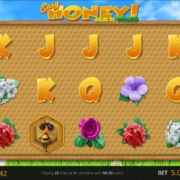
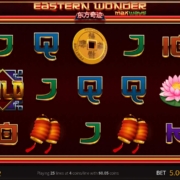
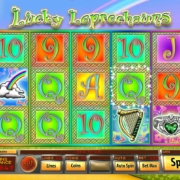
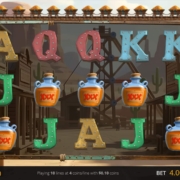
Imagine stepping out of the bustling, neon-lit streets of a casino and into a boundless, sun-kissed meadow. The air is warm, scented with the intoxicating perfume of blooming jasmine and wild roses. You hear the gentle, rhythmic hum of nature—a soothing vibration that promises not just tranquility, but untold riches. This is the world of Easy Honey, a video slot that transcends the standard gaming experience to offer a whimsical, high-definition journey through a floral paradise.
Playing Easy Honey feels like a warm embrace. It is a game of vibrant hues, where every spin feels like a brushstroke on a canvas of gold and emerald. It isn't just about the mechanical rotation of reels; it’s about the sensory delight of watching bees dance across nectar-filled posies, knowing that each flutter could bring you closer to a massive windfall. If you are looking for a game that marries aesthetic bliss with high-octane winning potential, you have just found your new favorite sanctuary.
What sets Easy Honey apart from the sea of generic fruit machines is its deeply integrated feature set. These aren't just "add-ons"; they are the heartbeat of the game.
The Breakout Wild
The Wild symbol in Easy Honey is not a static icon. It possesses a "Breakout" quality, designed to disrupt the standard reel patterns and substitute for any symbol (excluding Scatters). When a Breakout Wild lands, it acts as the ultimate catalyst for a winning combination, turning near-misses into glorious payouts.
The Free Spins Extravaganza
Triggered by landing three or more Free Spins symbols, this feature is where the nectar truly flows. Players can unlock up to 18 Free Spins, and the real magic lies in the x3 Multiplier. During this round, your ability to accumulate wealth is tripled, turning standard wins into monumental triumphs. It is a high-tension, high-reward phase that keeps the adrenaline surging.
The Flower Meadow Feature Game
This is the crown jewel of the slot. Triggered by three or more Feature Game symbols, this bonus round takes you deeper into the garden. It is a specialized mini-game where prizes are awarded proportionally to your total bet. It’s a game of chance within a game, offering a layered excitement that standard slots simply cannot replicate.
Easy Honey
Fast Facts & Technical Specifications
To truly appreciate the architecture of Easy Honey, one must look at the numbers behind the beauty.
Quick Highlights:
Winning Paths: 243 Ways to Win.
Max Potential: Up to 11,750 Coins.
Bonus Multiplier: x3 during Free Spins.
Theme: Whimsical Bee/Garden Aesthetic.
Technical Data Sheet
Feature
Specification
Game Type
Video Slot
Reel Configuration
5-Reel / 243 Ways to Win
Maximum Win
11,750x Coins
Wild Type
Breakout Wild (Substitutes all except Scatters)
Free Spins Max
18 Spins
Free Spins Multiplier
3x
Bonus Trigger
3+ Feature Game Symbols
Paylines
Left to Right, Adjacent Symbols
Mastering the Buzz: Strategic Insights
While Easy Honey is a game of chance, seasoned players know that approaching the meadow with a plan is key to longevity and enjoyment.
The "Max Ways" Philosophy: With 243 ways to win, the game relies on symbol adjacency. Don't just look for lines; look for clusters. Understanding that wins pay left-to-right on adjacent combinations helps you visualize how the Breakout Wilds will expand your winning potential.
Bankroll Management for the Meadow: The Flower Meadow feature and Free Spins are the primary drivers of high payouts. To maximize your chances of hitting these, ensure your bet level allows for enough "spin runway" to survive the dry spells and strike during the nectar-rich bonus rounds.
Watch the Scatters: Remember, Scatters are paid in addition to your payline wins. They are your "bonus" income. Even if a spin doesn't result in a standard line win, a well-placed Scatter can keep your balance healthy.
Easy Honey
Frequently Asked Questions
Q: How do I trigger the Free Spins in Easy Honey?
A: You simply need to land 3 or more Free Spins symbols anywhere on the reels. This will initiate a round of up to 18 spins with a 3x multiplier.
Q: Can I trigger the Flower Meadow feature during Free Spins?
A: Yes! One of the most exciting aspects of Easy Honey is that the Bonus Feature Game can be triggered even while you are in the midst of your Free Spins round.
Q: What is the difference between a standard Wild and the Breakout Wild?
A: The Breakout Wild is a dynamic symbol that substitutes for all regular symbols to complete winning combinations, significantly increasing the frequency of wins.
Q: How many ways can I win in this game?
A: Easy Honey utilizes a "Max Ways" system, providing 243 distinct ways to achieve a winning combination.
Q: Is there a maximum win limit?
A: Yes, players can win up to a staggering 11,750 coins in a single session.
Q: Do Scatters pay out on paylines?
A: Scatters are unique; they are paid out in addition to any standard payline wins you may have achieved on that spin.
Final Verdict
Easy Honey is a masterclass in thematic cohesion. It takes a simple, charming concept and elevates it through sophisticated mechanics like the Breakout Wild and the Flower Meadow feature. It is a game that rewards the senses and the spirit, offering a bright, optimistic atmosphere that is rare in the often-gritty world of online slots.
Don't let the nectar slip away! Step into the garden, feel the buzz, and start your journey toward 11,750 coins today!
Easy Honey
https://jumbabet.blueseo.co.za/wp-content/uploads/2026/05/game-77.jpg10811920adminhttp://jumbabet.blueseo.co.za/wp-content/uploads/sites/20/2022/10/jumbabet.pngadmin2026-05-06 13:26:322026-05-06 13:26:32A Sun-Drenched Symphony of Sweetness: An Immersive Guide to Easy Honey
Imagine yourself standing at the edge of a tranquil, mist-covered mountain range in the Far East. The air is thick with the scent of blooming lotus flowers and the faint, rhythmic sound of ceremonial drums. As the sun begins to rise, casting a golden hue over ancient pagodas, you realize you aren't just a traveler—you are a seeker of fortune. This is the atmospheric embrace of Eastern Wonder, a video slot that transcends mere gaming to offer a meditative yet exhilarating journey into the heart of Oriental luck.
In Eastern Wonder, every spin feels like a ritual. As the reels whirl, you aren't just looking for matching symbols; you are focusing your Qi—your vital life energy—to align the heavens and the earth in your favor. It is a game of elegance, tradition, and high-stakes mysticism.
Eastern Wonder is more than a slot machine; it is a visual symphony. The developers have masterfully captured the aesthetic of "Lucky Eastern" themes, utilizing a palette of deep reds, shimmering golds, and serene teals. The feeling of playing is one of escalating tension and sudden, breathtaking release. When the Wild symbols land, they don't just substitute—they double the energy of your win, creating a sense of momentum that carries you toward the legendary Super Spins.
Eastern Wonder
Gameplay Mechanics: The Power of 243 Ways
Forget the rigid, old-fashioned paylines of the past. Eastern Wonder utilizes the Max Ways mechanic, offering a staggering 243 ways to win. This means that as long as winning symbols appear on adjacent reels from left to right, the fortune flows your way. This mechanic increases the frequency of hits, ensuring that the gameplay remains fluid and the excitement constant. Whether you are playing a modest bet or pressing "BET MAX," the mathematical architecture is designed to keep the adrenaline pumping.
Feature Spotlight: Super Spins & Free Spins
The true soul of Eastern Wonder lies in its two transformative bonus features.
The Super Spins Feature Game
Triggered by landing 3 or more Coin (Feature Game Scatter) symbols, this is where the game shifts from a standard slot to a high-octane treasure hunt. The Coin symbols are present on all reels, increasing the mathematical probability of triggering this massive event. During Super Spins, you aren't just playing for line wins; you are hunting for a windfall that can reach up to 13,300 Coins! It is a high-variance, high-reward experience that represents the pinnacle of the game.
Free Spins: The Path of the Lotus
If you are graced by 3 or more Free Spins (Scatter) symbols, you enter a realm of multiplied glory. You can win up to 10 Free Spins, and the real magic lies in the multiplier: a x2 boost to your potential. During this phase, the reels spin with a sense of destiny, offering a chance to capitalize on the momentum built during the base game.
Eastern Wonder
The Symbol Hierarchy
To master Eastern Wonder, you must recognize the messengers of luck:
The Wild (x2): The ultimate equalizer. Not only does it substitute for any symbol (except Scatters/Features), but it also doubles your win. It is the engine of massive payouts.
High-Value Symbols: The Lion (Strength), the Frog (Wealth), the Koi (Perseverance), and the Lotus (Purity).
Low-Value Symbols: Elegant depictions of the classic A, K, Q, J, and 10, designed to blend seamlessly into the oriental tapestry.
Fast Facts & Technical Specifications
Key Highlights
Maximum Potential: Win up to 13,300 Coins.
Win Mechanics: 243 Max Ways to Win.
The Wild Multiplier: All Wild wins are instantly doubled.
While Eastern Wonder is a game of chance, seasoned players use these "Pro Tips" to manage their journey:
Bankroll for the Super Spins: Because the Super Spins are the primary engine for the 13,300x payout, ensure your session length allows for enough spins to trigger the Coin Scatters.
The Wild Hunt: Always pay attention to the Wild symbols. Since they double your wins, a combination of high-value symbols (like the Lion) paired with a Wild is the most efficient way to build a balance.
Understand the "Max Ways": Since wins pay left-to-right on adjacent symbols, focus on the volatility of the first three reels to sustain your gameplay.
Frequently Asked Questions
Q: How do I trigger the Super Spins?
A: You must land 3 or more Coin (Feature Game Scatter) symbols anywhere on the reels.
Q: What makes the Wild symbol special in Eastern Wonder?
A: Unlike standard Wilds, the Eastern Wonder Wild substitutes for all symbols and automatically doubles any win it is a part of.
Q: Can I win more than my initial bet during Free Spins?
A: Absolutely. The Free Spins feature provides up to 10 spins with an inherent x2 multiplier potential, significantly boosting your payout ceiling.
Q: What does "Max Ways" actually mean for my betting?
A: It means you don't have to worry about specific payline patterns. If symbols land on adjacent reels from left to right, you win. There are 243 possible combinations.
Q: What is the maximum possible win?
A: Players can aim for a massive windfall of up to 13,300 Coins through the Super Spins feature.
Final Verdict
Eastern Wonder is a masterclass in thematic immersion and mathematical excitement. It strikes a perfect balance between the serene beauty of the Orient and the high-octane thrill of a modern video slot. Whether you are chasing the x2 Wild wins or the legendary 13,300 Coin Super Spins, every moment is infused with the promise of fortune.
Are you ready to focus your Qi? Step into the temple of luck and let the reels reveal your destiny!
https://jumbabet.blueseo.co.za/wp-content/uploads/2026/05/game-76.jpg10801920adminhttp://jumbabet.blueseo.co.za/wp-content/uploads/sites/20/2022/10/jumbabet.pngadmin2026-05-06 13:25:592026-05-06 13:25:59Unlocking Prosperity: A Deep Dive into the Mystical Realm of Eastern Wonder
Chasing the Emerald Mirage: A Deep Dive into the Magic of Lucky Leprechaun
Imagine yourself walking through a mist-shrouded glen in the heart of the Emerald Isle. The air is thick with the scent of damp moss and ancient magic. Suddenly, a flash of green catches your eye—a mischievous grin, a twinkle of gold, and the unmistakable sound of a magic harp playing in the distance. This isn't just a dream; it is the immersive, high-octane world of Lucky Leprechaun, a video slot designed to transport players straight into the folklore of Ireland.
Playing Lucky Leprechaun isn't merely about spinning reels; it’s about the anticipation of the hunt. It’s the heart-pounding moment when the Random Wild appears, or the euphoric rush when the Magic Harps descend to trigger a cascade of free spins. It is a game of whimsy, luck, and massive potential, where every spin feels like a step closer to finding that legendary Pot O' Gold.
Lucky Leprechaun succeeds where many slots fail: it creates a cohesive sensory experience. The theme is woven into every pixel. From the vibrant Four Leaf Clovers and shimmering Claddagh Rings to the rhythmic melodies of the Magic Harp, the game evokes a sense of wonder. The visual palette is dominated by lush greens and brilliant golds, creating a "premium folk" aesthetic that feels both nostalgic and high-end. It is a playground for those who believe that luck isn't just math—it's magic.
Eagle Eye
Mastering the Mechanics: Game Features
The Random Wild Leprechaun
One of the most exhilarating aspects of this slot is the Random Wild Feature. Unlike traditional slots where Wilds only appear via specific symbol combinations, the Lucky Leprechaun himself is a wanderer. Every 10 to 20 spins, the mischievous character can appear on your screen, magically transforming a standard symbol into a Wild. This unpredictability keeps the gameplay loop fresh and prevents the "grind" often felt in standard video slots.
The Magic Harp Free Spins
The true treasure lies within the Magic Harp Scatter symbols. When the harps strike a chord, you enter the Free Spins realm. The reward scales with your luck:
3 Magic Harps: 5 Free Spins
4 Magic Harps: 10 Free Spins
5 Magic Harps: 15 Free Spins
But here is the kicker: All wins are tripled during the Free Spins mode. This multiplier turns a standard payout into a legendary windfall. Furthermore, the Harps can trigger additional spins during the bonus round, allowing for a potentially infinite streak of luck.
The Anatomy of Luck: Symbols & Payoffs
The reel set is populated by symbols that are as beautiful as they are profitable. While the low-tier symbols (A, K, Q, J, 10, 9) provide the foundation for steady play, the high-value symbols are where the excitement resides:
The Leprechaun (Wild): Your primary tool for connecting winning lines, substituting for everything except Scatters.
The Rainbow (Scatter): A symbol of hope that pays out regardless of your paylines, multiplied by your total stake.
High-Tier Icons: The Pot O' Gold, Four Leaf Clover, Claddagh Ring, and Lucky Horseshoe represent the peak of the paytable.
Eagle Eye
Fast Facts & Technical Specifications
Key Highlights:
Maximum Potential: Win up to a staggering 80,000 Coins!
Unique Mechanic: Random Wild intervention every 10-20 spins.
Bonus Multiplier: 3x win multiplier during Free Spins.
Technical Data Sheet
Feature
Specification
Reel Layout
5 Reels / 40 Paylines
Max Win
80,000 Coins
Wild Symbol
Leprechaun (Substitutes all except Scatters)
Scatter Symbol
Rainbow (Pays any way)
Free Spins Trigger
Magic Harp (3, 4, or 5 symbols)
Free Spins Multiplier
3x All Wins
Random Feature
Random Wild (Appears every 10-20 spins)
Pro Strategies for the Emerald Isle
While slots are games of chance, seasoned players know how to manage their journey through the glen:
The "Wild Wait" Strategy: Since the Random Wild appears on a predictable cycle (every 10-20 spins), consider managing your bankroll to ensure you are active during these windows.
Maximize Line Coverage: With 40 paylines, always ensure you are playing the maximum number of lines. This maximizes your chances of hitting the Magic Harp combinations.
Free Spin Momentum: Remember that Free Spins can re-trigger. When you hit the bonus, don't just focus on the initial spins—watch for the Harps to appear again to extend your 3x multiplier session.
Frequently Asked Questions
Q: How does the Random Wild work during Free Spins?
A: To maintain the high-octane intensity of the bonus round, the Random Wild feature is disabled during Free Spins. The focus shifts entirely to the 3x multiplier and the potential for re-triggering spins via the Magic Harp.
Q: Do Scatters have to land on a payline?
A: No! Rainbow Scatters are "any way" symbols, meaning they pay out regardless of which specific payline they land on, adding an extra layer of winning potential.
Q: What is the maximum I can win?
A: The legendary Pot O' Gold awaits those who can secure a win of up to 80,000 Coins!
Q: Can I win during the Free Spins round?
A: Absolutely. In fact, the Free Spins round is designed to be your most profitable period, as every single win is tripled.
Q: How many paylines are available in Lucky Leprechaun?
A: The game features 40 distinct paylines, offering numerous ways to connect symbols from left to right.
The Golden Verdict
Lucky Leprechaun is a masterclass in thematic slot design. It balances the whimsical charm of Irish folklore with robust, high-reward mechanics. Between the 3x Free Spin multiplier and the unpredictable Random Wild, there is never a dull moment. It is a premium experience for players who crave both atmosphere and the chance at a massive 80,000-coin payout.
Are you ready to claim your treasure? Step into the glen, spin the reels, and let the luck of the Irish guide you to the Pot O' Gold!
VERSION 12
The High-Roller’s Blueprint: Optimizing Wins in Lucky Leprechaun
For the serious enthusiast, a slot machine is more than just flashing lights and catchy tunes; it is a mathematical landscape of volatility, multipliers, and feature triggers. In the world of Lucky Leprechaun, the math is as vibrant as the theme. This guide moves past the "luck of the Irish" folklore to dissect the technical engine that drives this 40-line powerhouse, providing a blueprint for those looking to maximize their session efficiency and target that elusive 80,000-coin ceiling.
Lucky Leprechaun is a high-volatility video slot utilizing a 5-reel, 40-line architecture. Unlike low-volatility slots that offer frequent but minuscule wins, this game is engineered for "peak events." The 40-line structure provides a dense grid for symbol connectivity, while the paytable is weighted heavily toward high-tier thematic symbols like the Claddagh Ring and the Pot O' Gold. For the strategic player, this means understanding that the game is designed to build tension between significant payout events.
Feature Breakdown: Multipliers and Triggers
The Multiplier Engine (Free Spins)
The core value proposition of Lucky Leprechaun is the Free Spins Mode, triggered by the Magic Harp (Scatter) symbol. This is not a standard bonus round; it is a high-velocity multiplier event.
The Multiplier: A fixed 3x multiplier applies to all wins during this mode.
From a mathematical perspective, the Free Spins mode is where the RTP (Return to Player) is most heavily concentrated. Because wins can re-trigger the bonus, the potential for "runaway wins" exists, where the 3x multiplier is applied to increasingly large base wins.
The Scatter Mechanics
The Rainbow Scatter serves as a secondary revenue stream. Unlike payline wins, which require left-to-right connectivity, Scatters pay out based on total bet staked, regardless of position. This provides a "safety net" of wins that can help sustain a bankroll during dry spells between major feature triggers.
Mathematical Probability: The Random Wild
A unique variable in this game's equation is the Random Wild. Most slots rely on static symbol distributions. Lucky Leprechaun introduces a stochastic element: the Leprechaun Wild appears every 10 to 20 spins.
For the player, this means the "effective volatility" shifts slightly during these windows. When the Wild appears, the probability of completing a 40-line winning combination increases exponentially. However, note that this feature is excluded from the Free Spins round to ensure the 3x multiplier remains the primary driver of value.
Data Matrix: Technical Specifications
Key Performance Indicators:
Max Payout Ratio: 80,000 Coins.
Line Density: 40 Paylines.
Bonus Frequency: High-impact (Random Wilds every 10-20 spins).
Win Multiplier: 3x (Bonus mode only).
Technical Data Sheet
Parameter
Value
Reel/Line Configuration
5 Reels / 40 Lines
Wild Mechanism
Random Symbol Transformation (10-20 spin cycle)
Scatter Type
Any-way Pay (Rainbow Symbol)
Free Spin Scaling
5, 10, or 15 spins based on Harp count
Bonus Multiplier
3x (All wins)
Max Win Potential
80,000 Coins
The Optimization Guide: How to Play Like a Pro
To approach Lucky Leprechaun with a professional mindset, consider these three pillars of optimization:
Bankroll Volatility Management: Because the game is designed for larger, less frequent payouts (targeting the 80,000-coin mark), avoid "aggressive betting" early in a session. Your goal is to survive long enough to hit the 10-20 spin Random Wild cycle and the Magic Harp triggers.
Line Maximization: In a 40-line game, playing fewer lines is mathematically inefficient. To capture the full benefit of the 3x Free Spin multiplier, you must have all 40 lines active to ensure no winning combination is left unmultiplied.
The Re-trigger Watch: During Free Spins, your focus should be on the Magic Harp. Since the spins can re-trigger, the "value per spin" increases the longer you stay in the bonus round.
Strategic FAQ
Q: Is the Random Wild guaranteed every 10 spins?
A: No, it is a probabilistic range. It appears on average every 10 to 20 spins, meaning you may see clusters of Wilds or longer dry spells.
Q: Why are there no Random Wilds during Free Spins?
A: This is a balancing mechanic. The 3x multiplier provides sufficient mathematical "weight" to the bonus round; adding Random Wilds would likely push the game's volatility beyond standard limits.
Q: How do I maximize my Scatter wins?
A: Scatter wins are multiplied by your total bet staked. Therefore, increasing your bet per spin directly scales the value of any Rainbow Scatter landing on the reels.
Q: Does the 3x multiplier apply to Scatter wins during Free Spins?
A: Yes, the feature states "All wins are tripled during Free Spins," which encompasses both payline wins and Scatter payouts.
Q: What is the most important symbol to watch for?
A: From a pure ROI (Return on Investment) standpoint, the Magic Harp is the most critical, as it unlocks the multiplier phase.
Executive Summary
Lucky Leprechaun is a sophisticated video slot that rewards players who understand its high-volatility structure. By leveraging a 40-line grid, a 3x Free Spin multiplier, and a unique Random Wild cycle, the game offers a high-ceiling opportunity for those capable of managing their bankroll through the necessary variance.
Analyze the reels, manage your stakes, and prepare for the hunt. The 80,000-coin jackpot is waiting for the player with the right strategy!
Strike Gold in the Wild West: An Immersive Journey Through Dusty Nugget
The air is thick with the scent of pine, dry earth, and the unmistakable electricity of impending fortune. You stand at the edge of Dusty Nugget Creek, where the sun beats down on rusted rails and the rhythmic clinking of pickaxes echoes through the canyon. This isn't just a slot game; it is a high-stakes expedition into the heart of a legendary mining town. As the reels spin, you aren't just watching symbols tumble—you are digging through layers of history, searching for that one glint of light that signals a life-changing windfall. The tension builds with every rotation, every time a Wild symbol lands, bringing you one step closer to the rushing waters of the Creekside Water Wheel. Are you ready to claim your stake in the gold rush?
Dusty Nugget captures the raw, unbridled spirit of the American frontier. The visual design is a masterclass in thematic immersion, utilizing a palette of warm golds, deep earthy browns, and the shimmering brilliance of unearthed diamonds. Unlike standard slots that feel mechanical, Dusty Nugget feels alive. The soundscape—a blend of clanking metal, flowing water, and the triumphant chime of coin collections—pulls you directly into the mining camp. It is a game designed for the adventurer, the dreamer, and the thrill-seeker who finds beauty in the grit of the old West.
Dusty Nugget
Mastering the Mechanics: Key Features
What sets Dusty Nugget apart from the sea of digital slots is its layered approach to volatility and excitement. It doesn't just offer wins; it offers a progressive sense of momentum.
The Wild Accumulator
The Wild symbol is your most loyal companion in the creek. Not only does it substitute for standard symbols like the Pickaxe, Shovel, or Lantern to complete winning paylines, but it possesses a unique "momentum" mechanic. Every time a Wild lands, it increases your chances of triggering a random prize. It’s a psychological crescendo: the more Wilds you see, the more you feel the "luck" building, right up until the moment the prize is released.
The Mining Cart Feature
Triggered by landing three or more Scatter symbols, the Mining Cart feature is where the real excavation begins. This isn't a static bonus; it is a scalable event. The more Scatters you land—up to a staggering 15 symbols—the more the prize pool swells. It transforms a standard spin into a high-octane treasure hunt.
The Creekside Water Wheel
Imagine the tension of a dry creek bed suddenly being flooded by a torrent of wealth. The Water Wheel acts as the ultimate catalyst in the game, releasing cascades of instant cash and frontier-sized prizes. It is the heartbeat of the game’s volatility, providing that sudden "hit" that keeps players on the edge of their seats.
The Path to the Superspins
For the true high-rollers, the ultimate goal is the Superspins feature. This is a rare, celestial alignment of symbols that requires precision and luck. To trigger this legendary mode, you must witness a specific convergence:
The Gemcart Scatters: These must land on Reels 2 and 3.
The Goldcart Scatter: This must land on Reel 4.
When these three specialized carts align, the game enters a state of heightened potential. During Superspins, the Prize symbols and Extraspins symbols become the stars of the show. While the Prize symbols land you direct wealth, the Extraspins symbols are the lifeblood of the round, extending your time in the golden era and allowing for multiple waves of massive payouts.
Dusty Nugget
Fast Facts & Technical Specifications
Quick Stats
Max Win Potential: Up to 13,300 Coins!
Theme: Wild West Mining / Gold Rush
Core Gameplay: 5 Reels, 20 Paylines
Primary Mechanic: Wild-driven Random Prizes & Superspins
Technical Data Table
Feature
Specification
Reel Configuration
5 Reels
Paylines
20 Lines
Max Payout
13,300x Coins
Wild Function
Substitute & Random Prize Accumulator
Scatter Payout
Multiplied by Total Wager
Special Scatters
Gemcart (R2, R3) & Goldcart (R4)
Pro Miner Strategies
While Dusty Nugget is a game of chance, seasoned players know that managing your "dig" is key to long-term enjoyment.
The Wild Watch: Pay close attention to the frequency of Wilds. Because they increase the chance of a random prize, a "dry" spell of Wilds often precedes a significant payout.
Bankroll Volatility Management: Given the potential for massive Superspins, ensure your bankroll can withstand the "dusty" periods between the big hits.
The Scatter Hunt: Remember that Scatters pay based on your total wager, not just the line bet. This makes them incredibly powerful during high-intensity sessions.
Dusty Nugget
Frequently Asked Questions
Q: How do I trigger the Mining Cart feature?
A: Simply land 3 or more Scatter symbols anywhere on the reels. The more you land (up to 15), the bigger your reward!
Q: What is the difference between the Gemcart and the Goldcart?
A: The Gemcart is a specialized scatter appearing on reels 2 and 3, while the Goldcart is a unique scatter that appears only on reel 4. Together, they trigger the Superspins.
Q: Can Wild symbols help me win more than just payline wins?
A: Yes! Every Wild symbol landed increases the mathematical probability of triggering a random prize feature.
Q: What is the maximum amount I can win in Dusty Nugget?
A: A successful expedition can net you a massive payout of up to 13,300 Coins.
Q: How do paylines work in this game?
A: All wins pay from left to right, except for Scatters, which can land anywhere. Payline wins are multiplied by your line wager, while Scatters are multiplied by your total wager.
Final Verdict
Dusty Nugget is a triumphant blend of nostalgic theme and modern, high-volatility mechanics. It rewards patience with its progressive Wild feature and offers breathtaking highs through its Superspins and Water Wheel mechanics. It is a must-play for anyone who loves the thrill of the chase and the glory of the find.
The creek is running rich, and the gold is waiting. Grab your pickaxe and start spinning—your fortune awaits in Dusty Nugget Creek!
**Focus:** Narrative, Atmosphere, and the Whimsical World of Lucklan O’Winnagain.
Imagine, if you will, a place where the morning mist clings to emerald hills and the air hums with the ancient magic of the Celts. You aren't just playing a slot game; you are stepping through a shimmering portal into a land of myth and legend. As the vibrant colors of Dublin Your Dough: Rainbow Clusters dance across your screen, you feel the pulse of the Irish countryside. The gentle rolling hills, the mysterious ruins, and the promise of hidden gold create a sensory experience that transcends standard digital gaming. This is an invitation to a whimsical adventure led by the charismatic Lucklan O’Winnagain, a leprechaun whose charm is matched only by the bounty he guards.
Every spin feels like a journey deeper into the enchanted glade. The clinking of gold coins, the sparkle of a rainbow, and the lush greenery of the 7×7 grid combine to create a feeling of pure, unadulterated joy. Whether you are chasing the light of the rainbow or searching for the legendary pot of gold, the atmosphere is one of constant wonder and magical possibility.
Unlike its predecessor, which utilized a classic 3-reel format, Dublin Your Dough: Rainbow Clusters has evolved into a sprawling 7×7 cluster-pay masterpiece. This expanded canvas allows for much more complex symbol interactions and breathtaking visual cascades. Instead of traditional paylines, you are looking for clusters of matching symbols—horseshoes, Celtic crosses, toadstools, and clovers—to trigger payouts. The low volatility of the game ensures a steady stream of magical moments, making it a perfect companion for those who enjoy a rhythmic, engaging session of play.
Unlocking the Magic: Key Features
The Rainbow Reel Drop (Cascading Wins)
In this realm, winning is not a static event. When you land a winning cluster, the symbols explode in a burst of color, allowing new symbols to tumble down from the heavens. This "Drop Symbol" mechanic creates a chain reaction of potential wins from a single spin, keeping the momentum high and the excitement palpable.
Lucky Charm Free Spins
The true heart of the adventure lies in the Free Spins round. By landing three or more rainbow Scatter symbols, you are whisked away to a realm of heightened magic. You can claim up to 30 Free Spins, during which the very fabric of the game changes.
Ride the Rainbow Multipliers
During the Lucky Charm Free Spins, the magic intensifies. As you achieve successive wins through the cascading drops, a multiplier begins to grow. Starting from a base, this multiplier can climb as high as 12x, turning even modest clusters into legendary windfalls. It is a crescendo of luck that rewards persistent winning streaks.
Lucklan O’Winnagain Wilds
The charismatic Lucklan himself acts as your guide. As the Wild symbol, he can transform into any symbol (except the Scatter), bridging the gaps between clusters and helping you complete those elusive winning combinations.
The Lore and the Numbers: Facts & Stats
Theme: Whimsical Irish Folklore
Grid Size: 7×7 Cluster Pay
Max Win Potential: 859x per cluster
Volatility Profile: Low (Consistent engagement)
Key Mechanic: Cascading "Drop" Symbols
Special Feature: Progressive Multipliers (Up to 12x)
Technical Specification
Detail
RTP
94.0%
Volatility
Low
Hit Frequency
43.9%
Free Spins Hit Rate
1 in 58.6
Max Sequence Payout Rate
1 in 2,452.4
Betting Range
$0.10 – $30.00
Game Resolution
1440 x 720px
Pathways to Prosperity: Strategic Tips
Embrace the Cascade: Because this is a low-volatility cluster game, focus on the "Drop" mechanic. The goal is to trigger long sequences of explosions to maximize the value of a single bet.
Hunt the Multiplier: During Free Spins, the game is won or lost on the multiplier. Aim for consecutive wins to push that multiplier toward the 12x ceiling.
The Bonus Buy Shortcut: If you find yourself in the rhythm of the game but want to skip the anticipation, the Bonus Buy feature allows you to jump straight into the Lucky Charm Free Spins. Use this wisely to manage your bankroll.
Common Queries: FAQ
Q: What is the difference between this and the original Dublin Your Dough?
A: This version moves from a 3-reel format to a massive 7×7 cluster-pay grid, offering much more dynamic gameplay and cascading wins.
Q: How do I trigger the Free Spins?
A: Land 3 or more rainbow Scatter symbols anywhere on the reels to unlock up to 30 Free Spins.
Q: Can I buy the bonus immediately?
A: Yes! The "Bonus Buy" feature is available for players who want to head straight to the Lucky Charm Free Spins.
Q: What does "Low Volatility" mean for my playstyle?
A: It means you can expect more frequent, smaller wins, which helps sustain your balance while you hunt for the larger multiplier-driven payouts.
Q: What is the maximum win?
A: The maximum win is 859x, calculated per cluster.
Q: Is the game mobile-friendly?
A: Absolutely. The game is optimized for both mobile and desktop devices with a sleek 2:1 aspect ratio.
Final Verdict: Summary
Dublin Your Dough: Rainbow Clusters is a masterclass in thematic immersion. It blends the cozy, charming aesthetics of Irish folklore with high-octane cluster mechanics. With its cascading drops, impressive 12x multipliers, and the guidance of Lucklan O’Winnagain, it offers a rewarding and visually stunning experience for players of all levels.
Conclusion
Are you ready to chase the pot of gold at the end of the rainbow? The hills of Ireland are calling, and Lucklan is waiting to share his fortune. Step into the magic and spin your way to glory in Dublin Your Dough: Rainbow Clusters today!
Dublin Your Dough: Rainbow Clusters (Rival)Dublin Your Dough: Rainbow Clusters (Rival)Dublin Your Dough: Rainbow Clusters (Rival)Dublin Your Dough: Rainbow Clusters (Rival)
https://jumbabet.blueseo.co.za/wp-content/uploads/2026/05/DYDRC_Logo_1143x750.jpg7501144adminhttp://jumbabet.blueseo.co.za/wp-content/uploads/sites/20/2022/10/jumbabet.pngadmin2026-05-06 13:24:282026-05-06 13:24:28Version 11: The Immersive Storyteller’s Guide
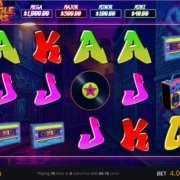
Imagine stepping through a neon-soaked portal. The air is thick with the scent of spray paint and the rhythmic, heavy bass of an old-school boombox. You aren't just playing a slot; you are stepping into the vibrant, electric heart of the 1980s hip-hop revolution, set against a lush, tropical backdrop. DJ Jungle Jamz is more than a video slot—it is a sensory journey that blends the raw energy of breakdancing culture with the untamed spirit of the jungle.
As the reels spin, the "sweet tunes" mentioned in the game’s tagline aren't just background noise; they are the heartbeat of your gameplay. Every win feels like a beat drop, and every bonus round feels like a headline performance at a legendary jungle block party. If you crave nostalgia wrapped in high-definition modern gaming, you have found your rhythm.
DJ Jungle Jamz utilizes a unique aesthetic fusion. Instead of the typical jungle tropes of ancient ruins or lost temples, this game introduces you to the "cool" side of the wild. Think gold chains, cassette tapes, and spray cans, all set within a lush, verdant environment. The visual palette is bright and fresh, designed to keep players engaged with high-contrast colors that pop against the jungle foliage. The "feeling" of the game is one of constant motion—a rhythmic, high-energy flow that mirrors the freestyle rap battles of the 80s.
DJ Jungle Jamz
Game Mechanics & Symbol Breakdown
The game operates on a standard left-to-right payline system, but with a twist of high-stakes volatility through its jackpot hierarchy. To navigate this jungle, you must know your players (the symbols):
The Wild Spray Can: Your ultimate equalizer. This symbol substitutes for all others (except Free Spins) to help complete winning combinations.
The Free Spins Record: The key to the kingdom. Land 3 or more, and the music shifts into high gear.
The Jackpot Hierarchy:
Lion: The Mega Jackpot—the king of the jungle.
Elephant: The Major Jackpot.
Giraffe: The Minor Jackpot.
Hippo: The Mini Jackpot.
High-Value Payout Symbols: Boomboxes, Gold Chains, and Cassettes.
Low-Value Symbols: The classic A, K, Q, J card ranks, styled to fit the retro aesthetic.
Feature Spotlight: The Wild Roaming Revolution
The true soul of DJ Jungle Jamz lies in its Free Spins Round. This isn't just a multiplier session; it is a dynamic event. When you trigger the bonus by landing the Free Spins Record, you are rewarded with up to 25 Free Spins.
What makes this feature legendary? The 2 Roaming Wilds. Unlike standard slots where Wilds stay frozen in place, these two Wild symbols move across the reels on every single spin. This creates a "moving target" of opportunity, significantly increasing the mathematical probability of connecting high-value symbols like the Lion or the Elephant. It turns the free spins into a chaotic, high-octane dance where the winning combinations are constantly evolving.
While slots are games of chance, playing with a "rhythm" can help manage your bankroll:
The Jackpot Hunter's Approach: Since the Jackpots are tied to specific animal symbols, players looking for the "Big One" should focus on understanding the volatility. The Lion is the ultimate goal, but don't overlook the Hippo (Mini) to keep your session alive.
The Free Spin Focus: The real value in this game is concentrated in the Free Spins. If you are playing on a budget, look for betting structures that allow you to sustain enough spins to trigger the Roaming Wilds feature.
Volatility Management: Because the max win is 2,725 coins, this is a medium-volatility experience. Don't chase the "Mega" with your entire bankroll; instead, aim for steady wins from the Boombox and Gold Chain symbols to build a cushion.
DJ Jungle Jamz
Frequently Asked Questions
Q: How do I trigger the Free Spins in DJ Jungle Jamz?
A: You need to land 3 or more "Free Spins Record" symbols anywhere on the reels to enter the bonus round.
Q: What makes the Free Spins different from the base game?
A: During Free Spins, you get up to 25 spins featuring two "Roaming Wilds" that move across the reels, increasing your chances of massive wins.
Q: Can the Wild symbol substitute for a Jackpot symbol?
A: The Wild Spray Can substitutes for any symbol except the Free Spins symbol. In most configurations, this includes the jackpot symbols to help form winning lines.
Q: What is the maximum amount I can win?
A: The maximum payout is capped at 2,725 Coins.
Q: How do the Jackpots work?
A: The Jackpots are linked to specific animal symbols: Lion (Mega), Elephant (Major), Giraffe (Minor), and Hippo (Mini).
Q: Are the wins paid in any direction?
A: Standard payline wins pay from left to right. However, Scatter symbols with payouts pay "anywhere" on the reels.
The Final Verdict
DJ Jungle Jamz is a masterclass in thematic cohesion. It takes a niche era of music history and breathes new life into it through a vibrant jungle lens. With its unique Roaming Wilds mechanic and a clear, tiered jackpot system, it offers both excitement for the casual player and depth for the enthusiast.
Are you ready to drop the beat? Step into the jungle, grab your gold chains, and spin your way to the Mega Jackpot today!
https://jumbabet.blueseo.co.za/wp-content/uploads/2026/05/game-73.jpg10801920adminhttp://jumbabet.blueseo.co.za/wp-content/uploads/sites/20/2022/10/jumbabet.pngadmin2026-05-06 13:24:042026-05-06 13:24:04Retro Beats and Jungle Heat: A Deep Dive into the DJ Jungle Jamz Experience
Roll the Dice for Glory: A Deep Dive into the Vegas Classic Dice Breaker
Imagine the scent of expensive cologne, the muffled hum of a high-stakes lounge, and the rhythmic, hypnotic sound of tumbling dice against a velvet felt table. You aren't just playing a game; you are stepping into a refined microcosm of Las Vegas history. Dice Breaker isn't just another digital slot; it is a high-octane tribute to the golden era of gaming, reimagined for the modern enthusiast. With its sleek 3×3 grid and its electrifying "Super Spins" mechanic, this game captures that rare, lightning-in-a-bottle feeling of a classic casino floor combined with the explosive potential of contemporary video slots.
When the reels spin, you aren't just looking for symbols; you are looking for momentum. The anticipation builds with every tumble, every flicker of the Stars Wild, and every potential alignment of those coveted dice. It’s time to stop playing and start winning.
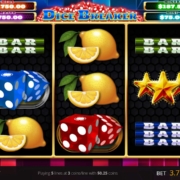
Dice Breaker thrives on the philosophy of "less is more." While modern slots often clutter the screen with unnecessary animations, Dice Breaker focuses on the purity of the spin. The 3×3 layout provides a concentrated field of play where every symbol matters. There is no "dead space"—every position on the grid is a potential catalyst for a massive payout. The aesthetic is a seamless blend of nostalgic fruit machine iconography and the high-stakes energy of a dice game, creating a psychological loop of familiarity and excitement.
Dice Breaker
Game Mechanics & Layout
At its core, Dice Breaker utilizes a 5 Coin, 5 Line structure. This streamlined approach ensures that players can focus on the movement of the reels rather than navigating overly complex payline configurations.
The game utilizes Stacked Symbols and Stacked Wilds to maximize volatility and excitement. When a Wild (the Star symbol) lands, it doesn't just occupy a single spot; it has the potential to dominate the reel, turning a standard spin into a cascading windfall. This "stacking" mechanic is what bridges the gap between a simple classic slot and a high-volatility modern powerhouse.
The Crown Jewel: Super Spins Feature
If the base game is the warm-up, the Multipot Super Spins are the main event. This is where the "Dice Breaker" moniker truly earns its keep.
To trigger this high-octane feature, you must land 3 mixed FEATURE symbols (the Red and Blue Dice) anywhere on the reels. Once triggered, the game shifts gears entirely. During Super Spins, the atmosphere intensifies, and the potential for massive returns is unleashed.
Why it’s a game-changer:
The Multiplier Effect: The Super Spins aren't just about repetitive spinning; they are about accumulating value.
Extra Spins (The Scatter): During this mode, a special "Extra Spins" Scatter symbol can appear. If you land this, the feature doesn't end—it evolves, granting you additional turns to chase the ultimate jackpot.
The Grand Prize: The ultimate goal is to navigate the Super Spins to secure a win of up to 1,250 Coins!
Dice Breaker
Symbolic Hierarchy & Payouts
The game uses a familiar lexicon of symbols to ensure instant recognition, allowing players to focus on strategy rather than learning a new language.
Stars (Wild): The ultimate equalizer. These substitute for any symbol except the Feature symbols, acting as the glue for winning combinations.
The Dice (Red & Blue): The keys to the kingdom. These are the triggers for the Super Spins.
Premium Symbols: Bells and Cherries provide the high-tier payouts that drive your bankroll upward.
Classic Symbols: Lemons, Grapes, and the iconic BAR series (4 BAR, 3 BAR, 2 BAR, 1 BAR) provide the steady, rhythmic wins that keep the game flowing.
Essential Facts & Technical Data
Theme: Vegas Classic / Dice Gaming
Layout: 3×3 Grid
Paylines: 5 Lines
Max Win Potential: 1,250 Coins
Key Mechanic: Stacked Wilds & Super Spins
Volatility: Medium-High
Feature
Specification
Reel Configuration
3 x 3
Paylines
5 Lines
Wild Symbol
Stars (Substitutes all but Feature)
Feature Trigger
3 Mixed Dice (Red/Blue)
Max Feature Win
1,250 Coins
Scatter Function
Extra Spins (During Super Spins Only)
Dice Breaker
Pro Strategy: Mastering the 3×3 Grid
While slots are games of chance, approaching Dice Breaker with a professional mindset can enhance your experience:
Bankroll Management for Volatility: Because the Super Spins are the primary engine for big wins, ensure your bankroll is deep enough to weather the "dry" base game spins to reach the dice triggers.
Watch the Stacks: Pay close attention to the Wilds. Since they are stacked, landing one often signals a high-probability winning spin is imminent.
The Super Spin Focus: Treat the Super Spins as a separate game. When you enter this mode, your goal is to hunt for the "Extra Spin" Scatter to prolong the session and maximize coin accumulation.
Frequently Asked Questions
Q: How do I trigger the Super Spins?
A: You need to land three mixed Feature symbols (a combination of Red and Blue Dice) anywhere on the 3×3 grid.
Q: What does the Star symbol do?
A: The Star is your Wild. It substitutes for any symbol in the game (except the Dice) to help complete winning paylines.
Q: Can I win more spins during the Super Spins feature?
A: Yes! A special "Extra Spins" Scatter symbol exists exclusively within the Super Spins mode to grant additional turns.
Q: Is the game played on a traditional 5-reel layout?
A: No, Dice Breaker uses a unique, compact 3×3 layout, which focuses the action and increases the impact of stacked symbols.
Q: What is the maximum win in Dice Breaker?
A: Players can aim for a massive payout of up to 1,250 Coins through the Super Spins feature.
Q: How do paylines work in this game?
A: All wins pay from left to right on the 5 active lines, with the exception of Scatters, which pay regardless of position.
The Verdict
Dice Breaker is a masterclass in streamlined gaming. It strips away the fluff and focuses on what players truly crave: the tension of the roll, the thrill of the stack, and the explosive potential of a well-timed Super Spin. It is a perfect marriage of vintage charm and modern payout mechanics.
Conclusion
Are you ready to test your luck against the dice? The reels are primed, the Wilds are waiting, and the Super Spins are just one roll away. Step into the arena, place your bets, and let’s get rollin’!
Imagine stepping into the most exclusive, velvet-roped VIP lounge in Monte Carlo. The air is thick with the scent of expensive cologne and the subtle, electric hum of high-stakes anticipation. The lighting is dim, save for the brilliant, blinding refraction of light bouncing off polished gemstones and stacked bullion. This isn't just a game; it is an invitation to a lifestyle of pure, unadulterated excess. Welcome to Diamond Luxe, the video slot designed specifically for those who don't just play to win, but play to dominate the world of high-end luxury.
In Diamond Luxe, every spin feels like a movement toward a bigger life. It is a game of aesthetic perfection and mechanical precision, where the clink of gold coins and the shimmer of diamonds provide the soundtrack to your ascent into wealth.
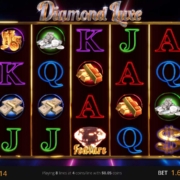
Diamond Luxe is a premium video slot that leans heavily into the "Casino Wealth" theme. Unlike typical adventure slots that take you to ancient jungles or distant planets, Diamond Luxe keeps the focus where it belongs: on the tangible symbols of success. The visual palette is dominated by deep, rich tones accented by the brilliant sparkle of high-carat diamonds and the heavy luster of solid gold.
The gameplay is streamlined yet incredibly potent. With a 5-reel, 8-line configuration, the game avoids unnecessary clutter, ensuring that every symbol that lands—be it a stack of banknotes or a gleaming gold bar—commands your full attention. It is a sophisticated experience built for the player who appreciates elegance as much as they appreciate a massive payout.
The Mechanics of Wealth: Key Features
The brilliance of Diamond Luxe lies in its ability to turn standard gameplay into a high-octane pursuit of fortune through its specialized symbol mechanics.
The Dual-Purpose Wilds: In the base game, the Wild symbol is your most loyal ally. Not only does it substitute for any standard symbol (Gold Bars, Notes, Coins) to complete winning combinations, but it also carries a luxurious bonus: all wins accompanied by a Wild are DOUBLED. This effectively turns every Wild landing into a high-yield event.
The Scatter Trigger: The path to the inner sanctum—the Feature Game—is paved by the Feature Scatter symbols. Landing three Scatters on reels 1, 3, and 5 unlocks a world where the real wealth is hidden.
The Feature Game: This is where the "Luxe" in the title truly comes to life. The Feature Game is a dedicated mode where the volatility shifts, and the potential for massive returns reaches its zenith.
The Collect Meter: Your Path to the x10 Multiplier
The true crown jewel of Diamond Luxe is the NEW Collect Meter Feature. This is not just a static bonus; it is a progressive journey toward ultimate wealth.
As you navigate through the Feature Game, specific symbols work to fill your Collect Meter. This creates a sense of mounting tension and escalating excitement. As the meter climbs, you aren't just waiting for a single win—you are unlocking tiers of rewards. The ultimate goal? Reaching the pinnacle of the meter to trigger the massive x10 Multiplier. When that multiplier hits, the standard wins are transformed into life-changing payouts, making the pursuit of the meter the most thrilling aspect of the entire experience.
Diamond Luxe: Fast Facts & Technical Specifications
Quick Facts:
Theme: High-End Casino Wealth & Luxury
Maximum Win Potential: Up to 10,250 Coins
Core Highlight: Progressive Collect Meter in Feature Mode
Primary Multiplier: Up to x10 in the Feature Game
Visual Style: Sleek, polished, and high-definition
Substitutes symbols & Doubles wins (Base Game only)
Scatter Payouts
Paid based on TOTAL credits wagered
Feature Trigger
3 Scatters on Reels 1, 3, and 5
Max Feature Multiplier
x10
Max Payout
10,250 Coins
The High-Roller Strategy: Mastering the Reels
While Diamond Luxe is a game of chance, a sophisticated player knows how to approach the reels with intent.
Focus on the Feature: Since the real "action" and the x10 multiplier reside in the Feature Game, your primary objective should be triggering the Scatters. The base game is excellent for building your bankroll via the Doubled Wild wins, but the Feature Game is where the legends are made.
Manage the Volatility: With a focus on multipliers and meters, Diamond Luxe can have periods of buildup. Ensure your bankroll management allows you to weather the "calm" moments to reach the "storm" of the Feature Game.
Watch the Meter: In the Feature Game, every symbol counts. Pay close attention to how close you are to that x10 multiplier. The psychological thrill of seeing the meter near completion is part of the Diamond Luxe experience.
Frequently Asked Questions
Q: How do I trigger the Feature Game in Diamond Luxe?
A: You must land three Feature Scatter symbols specifically on reels 1, 3, and 5. Once triggered, you enter the specialized Feature mode.
Q: Do Wild symbols work during the Feature Game?
A: No. The Wild symbols are exclusive to the base game to help double your standard wins. They do not appear during the Feature Game to keep the focus on the Collect Meter.
Q: How much can I actually win?
A: Diamond Luxe offers the potential to win up to 10,250 Coins, especially when hitting the high-tier multipliers in the Feature Game.
Q: What is the advantage of the Wild symbol in the base game?
A: Beyond substituting for other symbols to create winning lines, any win that includes a Wild symbol is automatically doubled.
Q: How are Scatter wins calculated differently?
A: While standard payline wins are multiplied by the credits wagered per line, Scatter wins are multiplied by your TOTAL credits wagered, making them significantly more lucrative.
The Final Verdict
Diamond Luxe is a masterclass in thematic consistency and engaging mechanics. It captures the essence of high-stakes casino gaming and translates it into a digital experience that feels both expensive and rewarding. Between the Doubled Wilds of the base game and the escalating tension of the Collect Meter, there is never a dull moment.
Conclusion
Are you ready to step into the winner's circle? The diamonds are polished, the gold is waiting, and the x10 multiplier is within reach. Spin the reels of Diamond Luxe today and claim the luxury you deserve!
Diamond LuxeDiamond LuxeDiamond LuxeDiamond Luxe
https://jumbabet.blueseo.co.za/wp-content/uploads/2026/05/game-71.jpg10801920adminhttp://jumbabet.blueseo.co.za/wp-content/uploads/sites/20/2022/10/jumbabet.pngadmin2026-05-06 13:22:582026-05-06 13:22:58Version 11: The High-Roller’s Guide to Opulence
Close your eyes, drift off to sleep, and whatever you do, don’t listen to that funky, rhythmic beep echoing from the graveyard. The witching hour has arrived, and it brings more than just ghosts; it brings a beat so infectious, even the deceased can't resist moving their rotting limbs. Welcome to Dead Beats, the video slot that merges the macabre with the melodic, turning a zombie apocalypse into the ultimate disco fever dream.
Playing Dead Beats isn't just about spinning reels; it’s about catching a vibe. As the neon lights flicker against the graveyard fog and the bassline kicks in, you’ll feel a surge of adrenaline that defies the laws of biology. It is a high-octane, visually stunning, and auditorily immersive experience that asks one question: Can you keep your head below the sheets, or will you succumb to the rhythm of the Dead Beats?
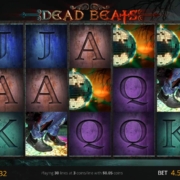
Dead Beats is a premium 5-reel, 30-line video slot that reimagines the zombie genre through a lens of neon-soaked party vibes. Forget the slow, shambling monsters of cinema; these are zombies with rhythm. The game utilizes a vibrant color palette where the darkness of the night is pierced by the shimmering glow of glitterballs and the frantic energy of cheerleader zombies.
The gameplay is designed to be intuitive yet deeply rewarding, catering to players who crave both thematic immersion and the potential for massive payouts. With the ability to win up to 7,480 coins, every spin feels like a step closer to the center of the dance floor.
Dead Beats
The Anatomy of a Win: Key Features
What separates Dead Beats from your standard horror slot is its dynamic feature set. The game utilizes a layered mechanic system that builds momentum as you play.
The Expanding Wild: The Jock Zombie
When the Jock Zombie appears, the party truly begins. This is an Expanding Wild symbol. When it lands, it doesn't just substitute for other symbols to complete a payline; it expands to cover entire reels, significantly increasing your chances of triggering massive multi-line wins. It is the ultimate equalizer in the quest for high payouts.
The Free Spins Frenzy & The Cheerleader Wild
The real magic happens when you trigger the Free Spins round. By landing 3 or more Free Spins (Scatter) symbols, you enter a realm where the rules of the living no longer apply.
Double the Fun: During Free Spins, all wins are DOUBLED, effectively skyrocketing your payout potential.
The Cheerleader Zombie: In the base game, the cheerleader is just a standard symbol. But once the music hits the Free Spins mode, she transforms into a Special Wild. This symbol substitutes for any regular symbol, acting as a catalyst for consecutive wins.
Re-trigger Potential: The party doesn't have to end. If you land more Scatters during your Free Spins, you can extend your session with up to 26 Free Spins in total.
The Dual Scatters
Dead Beats features two types of Scatters: the Free Spins Scatter and the Logo Scatter. While the Free Spins scatter drives the bonus mechanics, the Logo Scatter provides immediate gratification, paying out multiples of your total bet regardless of your active paylines.
Technical Breakdown: Facts & Stats
Fast Facts
Max Win Potential: 7,480 Coins.
Max Free Spins: Up to 26 spins per bonus round.
Winning Mechanics: Both Left-to-Right and Right-to-Left paylines.
Theme: Zombie Disco / Musical Horror.
Technical Specifications
Feature
Specification
Reels / Lines
5 Reels / 30 Lines
Symbol Types
High-pay (Zombies), Low-pay (A, K, Q, J), Specials (Wilds, Scatters)
Wild Type
Expanding (Base Game) & Special (Free Spins)
Scatter Mechanics
Multiplier based on Total Bet
Free Spin Multiplier
2x Wins
Max Payout
7,480x Coin Value
Dead Beats
Mastering the Dance Floor: Strategic Pro Tips
While Dead Beats is a game of chance, seasoned players know that managing the "rhythm" of your bankroll is key to surviving the witching hour.
Respect the Multiplier: Since Free Spins double all wins, your primary goal is to trigger the bonus. If you are playing on a budget, consider moderate line bets to ensure you have enough "stamina" to reach the Free Spins round.
Watch the Scatters: Because Scatter wins are calculated based on your TOTAL bet, they can provide a massive boost even if you aren't hitting active paylines.
The Expanding Wild Strategy: The Jock Zombie is your best friend. When you see him approaching, stay focused—an expanding wild on a 30-line game can transform a mediocre spin into a legendary payout.
Frequently Asked Questions
Q: How do I trigger the Free Spins in Dead Beats?
A: You must land 3 or more Free Spins (Scatter) symbols anywhere on the reels to activate the bonus round.
Q: Do the wins change during Free Spins?
A: Yes! During the Free Spins mode, all wins are doubled, making it the most lucrative part of the game.
Q: What is the difference between the two Wilds?
A: The Jock Zombie is an Expanding Wild in the base game, while the Cheerleader Zombie becomes a Special Wild specifically during the Free Spins mode.
Q: Can I win more Free Spins while already in the bonus round?
A: Absolutely. Landing additional Scatter symbols during the Free Spins mode will re-trigger the feature, potentially leading to up to 26 spins.
Q: How do Scatter wins work compared to Payline wins?
A: Payline wins are multiplied by the credits wagered per line, whereas Scatter wins are multiplied by your total stake and are paid in addition to any payline wins.
Q: What is the maximum I can win?
A: You can win up to a total of 7,480 Coins.
Dead Beats
The Final Verdict
Dead Beats is a masterclass in thematic cohesion. It takes the terrifying concept of the undead and breathes new life into it with a pulsating, neon-drenched soundtrack and high-reward mechanics. Whether you are chasing the Expanding Wilds of the Jock Zombie or the doubled payouts of the Free Spins, this slot offers a rhythmic, high-stakes journey that is impossible to ignore.
Conclusion
Are you ready to stop hiding under the sheets and start dancing with the dead? The music is calling, the glitterball is spinning, and the zombies are waiting for their leader. Step onto the dance floor of Dead Beats today and see if you can catch the winning beat!
https://jumbabet.blueseo.co.za/wp-content/uploads/2026/05/game-70.jpg10801920adminhttp://jumbabet.blueseo.co.za/wp-content/uploads/sites/20/2022/10/jumbabet.pngadmin2026-05-06 13:22:232026-05-06 13:22:23Dead Beats: A Groovy Descent into the Undead Dance Floor
Unveiling the Golden Legend: An Immersive Journey into Dawn of El Dorado (Rival)
The air is thick with humidity, the scent of damp earth and exotic blooms hangs heavy, and somewhere in the distance, the call of a toucan pierces the jungle canopy. You aren't just playing a slot game; you are stepping into the boots of the intrepid Professor Eldritch Goldberg. Dawn of El Dorado, the latest masterpiece from Rival, transports you deep into the heart of South America, where the veil between myth and reality thins. As the reels spin, you feel the tension of the hunt—the thrill of discovering a lost civilization and the adrenaline rush of unearthing gold that has been hidden for millennia. This is more than a game; it is a high-stakes expedition into the unknown.
Dawn of El Dorado is a visually stunning 5-reel video slot that captures the essence of adventure. Set against a backdrop of towering ancient temples and lush greenery, the game utilizes 50 paylines to deliver consistent action. The aesthetic is premium, featuring high-definition graphics optimized for both mobile and desktop play.
As you navigate the reels, you’ll encounter a cast of jungle inhabitants: the watchful jaguar, the vibrant treefrog, and the elusive golden serpent. These aren't just decorations; they are the heralds of potential wealth. With a low volatility profile, this game is designed for players who enjoy a steady flow of engagement and frequent hits, making it an ideal companion for those who prefer an extended journey through the jungle rather than a short, frantic sprint.
Dawn of El Dorado (Rival)
Treasures of the Jungle: Key Features
The true magic of Dawn of El Dorado lies in its multi-layered bonus structures. Rival has crafted a progression system that rewards the bold.
2x Multiplier Wilds
The Golden Temple serves as your Wild symbol. Not only does it substitute for other symbols to complete winning combinations, but it also carries a 2x Multiplier. This means that when a Golden Temple helps trigger a win, the payout is instantly doubled, significantly boosting your bankroll during the base game.
Mystic Bounty Free Spins & Super Rounds
The Scatter symbol—represented by an ancient treasure map—is your ticket to the big leagues. Landing 3, 4, or 5 Scatters triggers the Mystic Bounty Free Spins, awarding you 7, 15, or 50 free spins respectively.
But the adventure doesn't end there. If you are lucky enough to land additional Scatters during your Free Spins, you trigger the Super Free Spins. In this elite mode, the 3rd reel transforms into a permanent 2x Wild for the entire duration of the round, turning the jungle into a literal gold mine.
Pachacamac Idol Pick Bonus
For those who trust their instincts, the Pachacamac Idol Pick Bonus offers a direct path to instant prizes. By landing the ancient stone carving (the Bonus symbol), you enter a game of chance where you select one of four sacred idols. Behind these idols lie hidden treasures waiting to be claimed.
Bonus Buy: Skip the Trek
If you have the capital and the courage, the Bonus Buy feature allows you to bypass the standard reels and jump straight into the heart of the action—either the Pachacamac Idol Pick or the Free Spin rounds.
The Mechanics of Myth: Technical Specifications
Feature
Specification
Developer
Rival
Game Type
5-Reel Video Slot
Paylines
50
RTP
94.1%
Volatility
Low
Max Win
771x
Bet Range
$0.50 – $25.00
Hit Frequency
35.5%
Device Compatibility
Mobile & Desktop
Dawn of El Dorado (Rival)
Explorer's Almanac: Quick Facts
The Golden Guide: Professor Eldritch Goldberg leads your journey.
Rapid Payouts: A high hit frequency of 35.5% ensures constant action.
Super Feature: The 3rd reel becomes a 2x Wild in Super Free Spins.
Instant Access: Use "Bonus Buy" to trigger features immediately.
Visual Excellence: Optimized 1440×720px resolution for cinematic immersion.
Pro Tips for the Aspiring Archaeologist
Embrace the Low Volatility: Since this is a low-volatility game, focus on bankroll management that allows for many spins. The goal is to stay in the game long enough to trigger the Super Free Spins.
Watch the 3rd Reel: In the Super Round, the 3rd reel is your most valuable asset. Look for combinations that utilize this 2x Wild to maximize the 771x potential.
Calculate Your Bonus Buy: If using the Bonus Buy feature, ensure your total bet is proportionate to your balance to avoid "burning out" before hitting a significant win.
The Scatter Hunt: Keep a keen eye on the treasure maps. The jump from 15 to 50 Free Spins is where the massive multipliers truly begin to shine.
Dawn of El Dorado (Rival)
Frequently Asked Questions
Q: What is the maximum win in Dawn of El Dorado? A: Players can achieve a maximum win of up to 771x their total bet in a single spin.
Q: How do I trigger the Super Free Spins? A: You must first trigger the Mystic Bounty Free Spins by landing 3 or more Scatters. Once in the Free Spin round, landing further Scatters (3, 4, or 5) will elevate the game to the Super Free Spins mode.
Q: Is this game suitable for mobile play? A: Absolutely. The game is fully optimized for both mobile and desktop devices with a high-resolution 2:1 aspect ratio.
Q: What makes the Wild symbol special? A: The Golden Temple Wild doesn't just substitute symbols; it also carries a 2x multiplier on winning combinations.
Q: Can I skip the base game? A: Yes, the Bonus Buy feature allows you to purchase direct entry into the Pachacamac Idol Pick or the Free Spin rounds.
Q: What is the RTP of the game? A: The game features an RTP of 94.1%.
Final Verdict
Dawn of El Dorado is a masterclass in thematic storytelling and engaging slot mechanics. While the volatility is low, the layers of bonus features—ranging from the Pachacamac Idol Pick to the explosive Super Free Spins—provide a sense of depth and excitement that is rare in modern video slots. It is a journey worth taking for anyone who craves adventure and the shimmer of gold.
Are you ready to claim your fortune? Step into the jungle and let the quest begin!