


Tag Archive for: Gaming Regulation

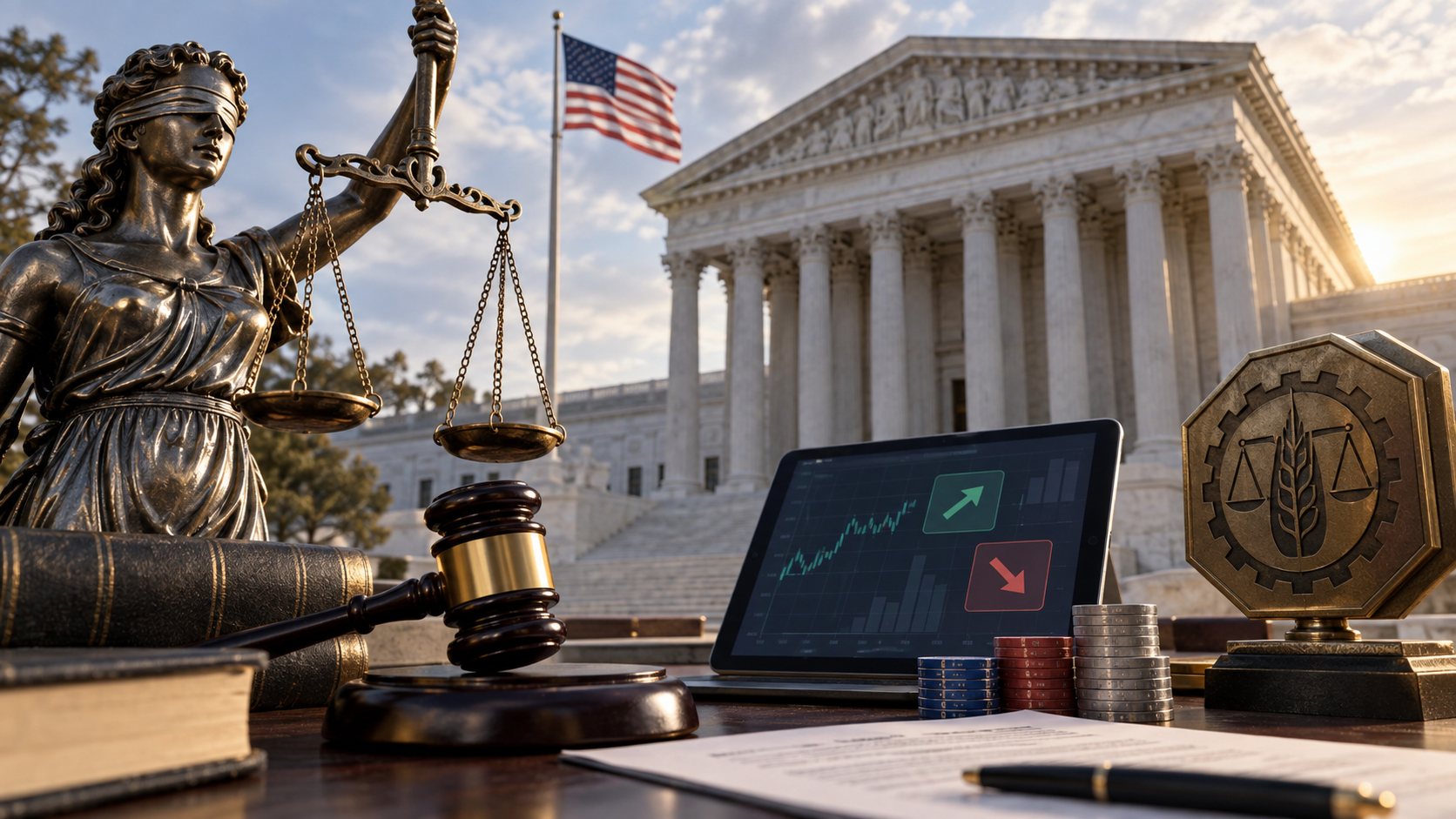
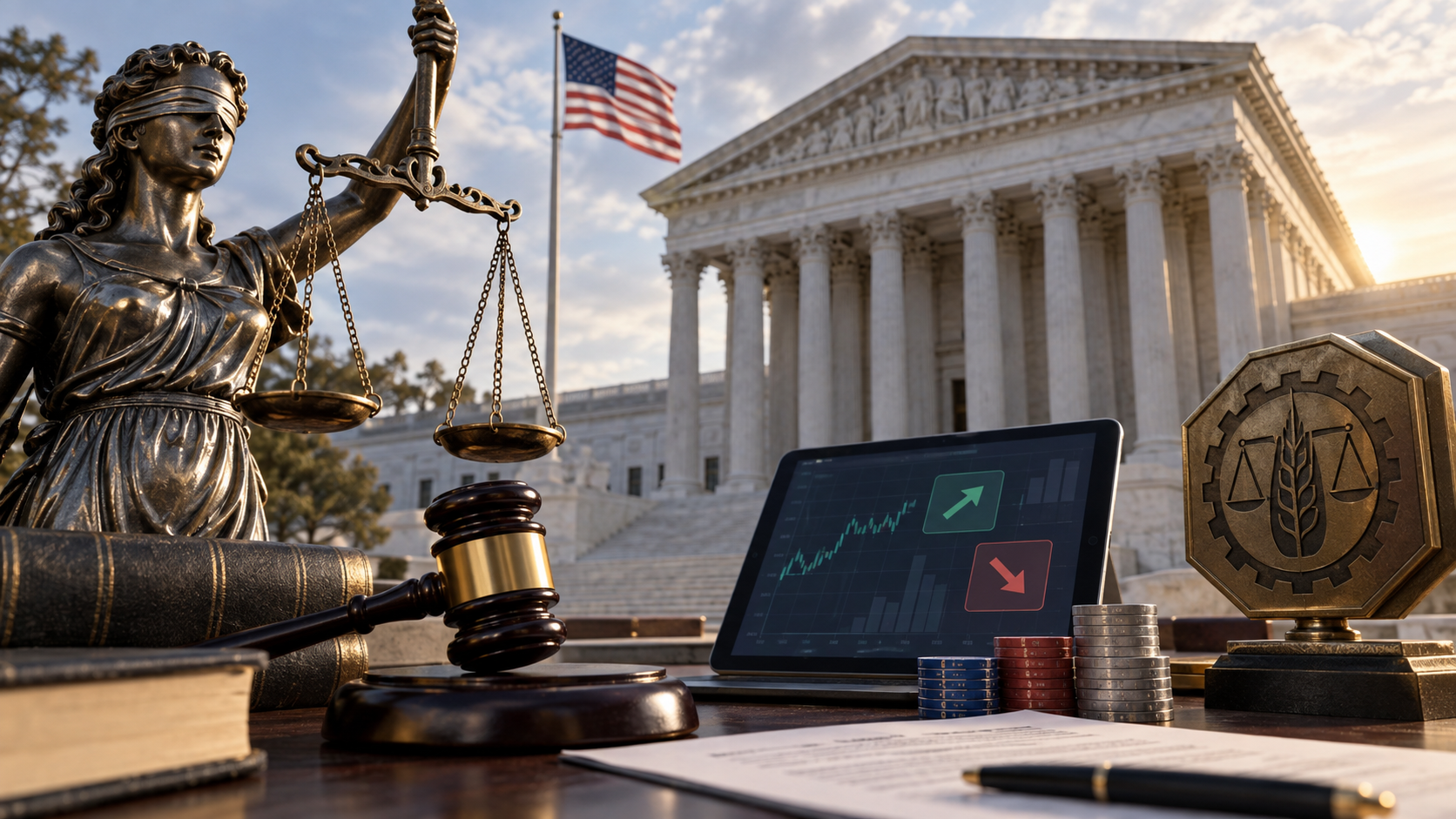
Editorial illustration for US Casino Racetrack Sanctions: Treasury Action Puts Cross-Border Betting in Focus

US Casino Racetrack Sanctions: Treasury Action Puts Cross-Border Betting in Focus

US Casino Racetrack Sanctions: Treasury Action Puts Cross-Border Betting in Focus

US casino racetrack sanctions is the focus of this USA casino and gambling news briefing. It is based on US Sanctions Mexican Cartel Racetrack Linked to Casino Accused of Torture, published by Casino.org News on October 13, 2026. The original source remains visible so readers can separate reported facts from analysis and follow-up questions.

What the original report establishes

Casino.org reported that the U.S. Treasury Department sanctioned a Mexican racetrack it says was controlled by Cartel del Noreste and linked to Casino Centenario. Treasury alleged the track and casino enabled betting and money laundering, and the article said the sanctions freeze U.S.-held assets and generally bar Americans from doing business with the listed targets. The report also described an alleged horse-racing scheme involving more than $22 million and the seizure of 455 horses in 2012. The allegations and enforcement action should not be expanded into claims about unrelated casinos or customers.

The source is specific about the people, property, company, regulator, court, study, filing, event, or market activity at issue. That matters because a single announcement or legal step does not automatically describe every operator or customer in the United States. The most accurate reading starts with the date, the named parties, and the action that has actually occurred.

Why US casino racetrack sanctions matters

US casino racetrack sanctions gives readers a useful lens for understanding a wider market question. U.S. Treasury casino sanctions, cross-border gambling enforcement, casino compliance can help explain the surrounding context, but the related phrases should not be treated as additional facts. They are search-language variations for readers who want to explore the subject further.

U.S. gambling is governed through a patchwork of state laws, tribal compacts, licenses, court decisions, federal rules, and consumer-protection expectations. A new development in one state or business can affect public discussion without changing the legal position everywhere else. Readers should check the relevant authority before assuming that a rule, product, promotion, technology, or market trend applies to them.

What operators, regulators, and consumers should watch

Operators and suppliers may focus on compliance, customer experience, staffing, technology, capital plans, or timing. Regulators may examine licensing, advertising, data handling, consumer harm, public records, and whether an activity falls within their authority. Consumers should ask what product or event is actually covered, which terms apply, and whether anything they can legally do today has changed.

Readers can compare the report with U.S. Department of the Treasury, Financial Crimes Enforcement Network. Those official or specialist resources provide additional context, but they do not turn this article into legal, financial, investment, clinical, or wagering advice. A proposal, allegation, survey, award, application, marketing claim, or enforcement action should remain labeled as such until later evidence changes the record.

What comes next

The next useful evidence may be a regulator notice, court order, official filing, later research release, company statement, audited result, or follow-up report. That evidence may confirm implementation, narrow an allegation, change a timeline, or show that an early estimate did not hold. Until then, the responsible approach is to describe the current development narrowly and avoid treating a headline as a guaranteed outcome.

Related reading

Related coverage on this site includes Private AI for Casinos: eConnect ACE Puts Data Tools in Focus, Iowa Regulators Evaluate Casino Regulation in Cedar Rapids Disqualification Case, Casino Gaming Hardware: Why a Local Design Center Matters. These links add background and are not endorsements of an operator, promotion, investment, event, or wager.

FAQ

Does this update change gambling rules across the United States?

No. Casino, lottery, sports-betting, tribal-gaming, and prediction-market rules vary by jurisdiction. Check the relevant state, tribal, federal, or court source before relying on a general description.

How should readers judge an early report?

Confirm the original source and date, identify whether the item is a final decision or an allegation or proposal, and look for the next official filing or regulator update.

How can gambling stay recreational?

Set a budget before playing, avoid chasing losses, take breaks, and treat gambling as entertainment rather than income. If gambling is becoming difficult to control, seek support from a qualified service.

Responsible gambling: Gambling involves risk and is not a guaranteed way to make money. Only play where legal, use money you can afford to lose, and seek help if gambling affects your finances, relationships, or wellbeing.

Original source: US Sanctions Mexican Cartel Racetrack Linked to Casino Accused of Torture. Authoritative supporting links: U.S. Department of the Treasury, Financial Crimes Enforcement Network.

Editorial illustration for MGM Grand Security Lawsuit: Allegations Put Casino Safety in Focus

MGM Grand Security Lawsuit: Allegations Put Casino Safety in Focus

MGM Grand Security Lawsuit: Allegations Put Casino Safety in Focus

MGM Grand security lawsuit is the focus of this U.S. casino and gambling news briefing. It is based on MGM Grand Security Lawsuit: Allegations Put Casino Safety in Focus, published by Casino.org News on October 2026. This original article keeps the source visible while adding context about what is known, what remains specific to the reported situation, and what should be checked next.

What the original report establishes

The linked report is the primary source for the development described in the headline. Its value is the defined event, statement, review, result, or report it identifies. Readers should keep that specific record separate from assumptions about every operator, bettor, property, regulator, or technology provider in the United States.

The most useful way to read this kind of update is to identify who made the statement, which company, property, agency, court, or community is involved, the relevant date, and what action has actually occurred. A report may describe a proposal, an investigation, an award, an analyst view, a technology announcement, a property event, a market figure, or a legal process without resolving every question that follows.

Why MGM Grand security lawsuit matters

Regulatory and legal stories turn on exact authority, jurisdiction, procedural posture, and the difference between an allegation, a proposal, a review, an order, and a final ruling.

For operators and suppliers, the next questions may involve compliance, customer experience, staffing, technology, capital plans, or timing. For regulators and public officials, the evidence may include legal authority, public records, procedural status, licensing conditions, and whether safeguards are working. Consumers should ask what product, property, contract, event, or proposal is involved and whether anything they can legally do today has changed.

U.S. gambling markets are not one uniform system. State laws, tribal compacts, licensing conditions, tax rules, advertising standards, court decisions, and responsible-gambling expectations can produce different outcomes in neighboring jurisdictions. A development in one state or company should not be presented as proof that every casino, sportsbook, lottery, prediction market, or online platform faces the same conditions.

What to watch next

The next useful evidence may come from an official filing, regulator notice, court docket, company update, event organizer, audited result, or later report. That follow-up can clarify whether a proposal advances, a review produces a decision, a product is implemented, an award leads to further work, an analyst view is supported by later results, or a legal claim changes. Until then, the most accurate approach is to describe the current development narrowly and keep confirmed facts separate from estimates, commentary, allegations, and future possibilities.

Readers can compare the original account with U.S. Department of Justice and National Council on Problem Gambling. Those resources provide official or industry context, but they do not turn this article into legal, tax, investment, clinical, or wagering advice.

Related reading

Related coverage on this site includes AI Casino Player Experience: G2E Panel Weighs Speed, Insight, and Friction, Rio Casino Las Vegas: Accessing the World of Slot Games Through the World of Hyatt Program, Prediction Market Bank Bets: Why Bank-Run Concerns Are Drawing Attention. These links offer additional reading and are not endorsements of an operator, promotion, investment, event, or wager.

FAQ

Does this report change gambling rules everywhere in the United States?

No. Casino, lottery, sports-betting, tribal-gaming, and prediction-market rules depend on state law, tribal authority, licensing conditions, court decisions, and regulator guidance. A development involving one jurisdiction or company does not automatically apply nationwide.

What should readers verify before acting on this news?

Check the original source, publication date, named agency or organization, current terms, and whether the information is a proposal, estimate, allegation, review, order, forecast, or completed action. Use current official materials for legal, tax, financial, or consumer questions.

How can gambling stay recreational?

Set a budget and time limit before play, take breaks, and treat gambling as entertainment rather than income. If it stops feeling manageable, contact a qualified gambling-support service.

Responsible gambling: Gambling involves risk and is not a guaranteed way to make money. Only participate where legal, use funds you can afford to lose, set time and spending limits, avoid chasing losses, and seek qualified support if gambling affects your finances, relationships, or wellbeing. The National Council on Problem Gambling provides confidential information and support.

Original source: MGM Grand Security Lawsuit: Allegations Put Casino Safety in Focus from Casino.org News. This is an original summary and context piece based on that report.

underage gambling law in Focus: What the Latest Report Says

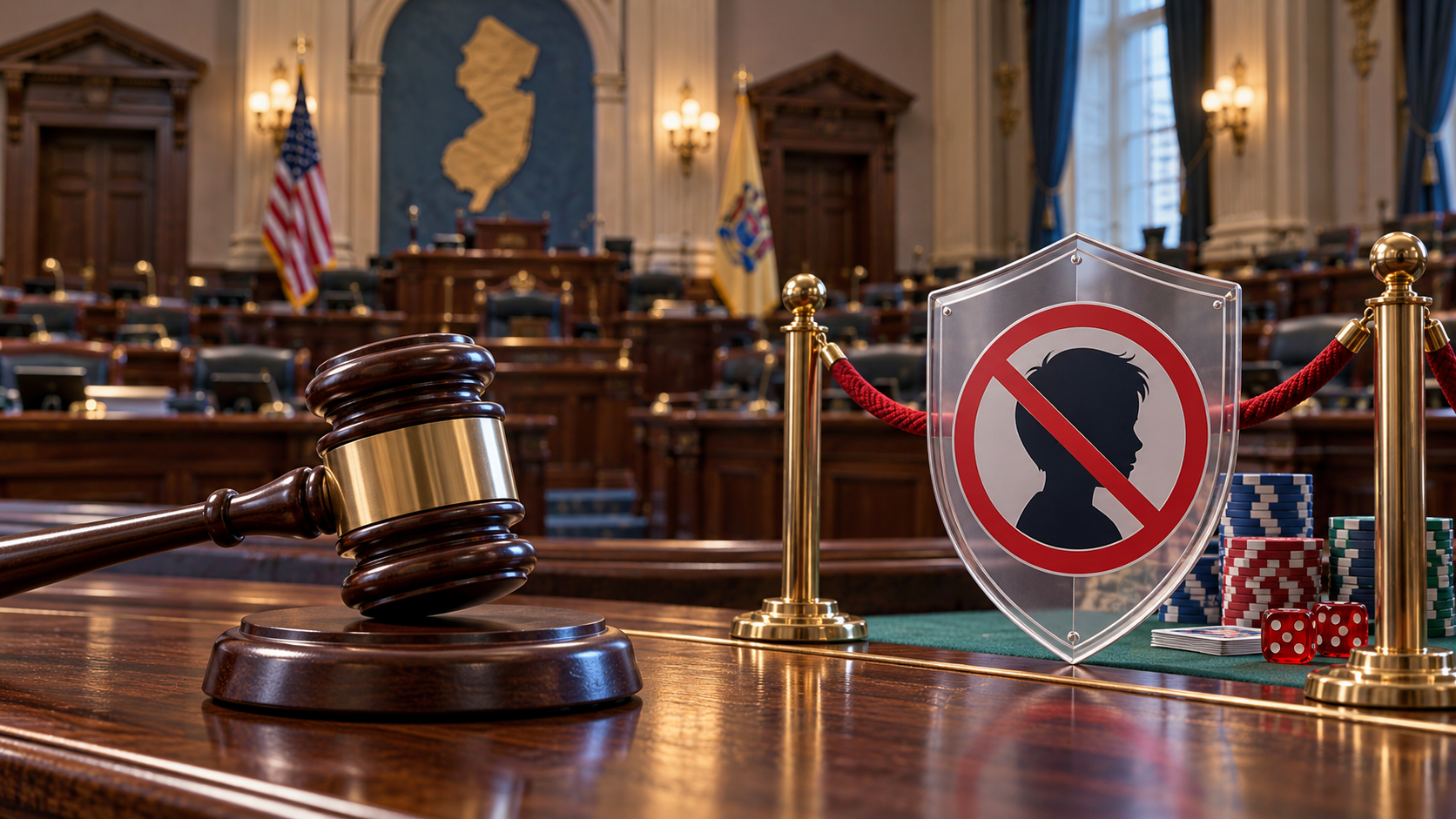
Editorial illustration about underage gambling law, United States casino and gambling news, and source documents

underage gambling law in Focus: What the Latest Report Says

underage gambling law is the focus of this U.S. casino and gambling news briefing. It is based on Should Underage Gambling Be a Crime? Some New Jersey Lawmakers Say ‘No’, published by Casino.org News on September 29, 2026. This original summary keeps the source visible while adding context for readers who want to understand what is known, what remains specific to the reported situation, and what should be checked next.

What the source report says

News Regional News Atlantic City Atlantic City Should Underage Gambling Be a Crime? Some New Jersey Lawmakers Say ‘No’ Posted on : September 29, 2026, 02:44h. Last updated on : September 29, 2026, 02:44h. Written by Devin O’Connor Devin O’Connor is a senior reporter for Casino.org, covering politics, casino business, and gaming news. Devin came on board with Casino.org in 2014… Click for more Key Points New Jersey lawmakers are considering a bipartisan bill to replace criminal penalties for underage gambling with civil fines of up to $2,000 SB597 would send the penalty money to gambling prevention, education, and treatment programs, while also applying fines to employees or adults who knowingly assist underage gambling The bill has been referred to the Senate Judiciary Committee, with New Jersey lawmakers scheduled to remain in session through Dec. 17 Share Bipartisan legislation in New Jersey would decriminalize underage gambling, reducing the wrongdoing from a criminal offense to a civil penalty. Pamela, a security worker at Caesars Atlantic City, is pictured in a file photograph from July 2006. Legislation in New Jersey would decriminalize underage gambling. (Image: Getty) New Jersey Sen. Jim Beach (D-Camden) has been encouraging lawmakers in Trenton to decriminalize underage gambling for four years. 2026 could finally be the year that the NJ Legislature agrees that minors shouldn’t face criminal prosecution for entering and gambling inside an Atlantic City casino. Beach

The source account describes a defined development rather than a complete picture of the national industry. The sequence matters. Readers should identify what was announced, who made the statement, which jurisdiction or company is involved, and what action has actually occurred. A report may describe a proposal, investigation, legal claim, investment, revenue result, technology arrangement, event plan, or court process without resolving every question that follows.

Why underage gambling law matters

Regulatory and legal stories turn on exact authority, jurisdiction, procedural posture, and the difference between an allegation, a proposal, an order, a review, and a final ruling.

For operators and suppliers, the immediate questions may involve compliance, customer experience, staffing, technology, capital plans, or timing. For regulators and public officials, the relevant evidence may include legal authority, disclosure, public records, procedural status, and whether safeguards are working. Consumers should ask what product, property, contract, event, or proposal is involved and whether anything they can legally do today has changed.

U.S. gambling markets are not one uniform system. State laws, tribal compacts, licensing conditions, tax rules, advertising standards, court decisions, and responsible-gambling expectations can produce different outcomes in neighboring jurisdictions. A development in one state or company should not be presented as proof that every operator, bettor, casino, lottery, or prediction market faces the same conditions.

What to watch next

The next useful evidence may come from an official filing, regulator notice, court docket, company update, event organizer, audited result, or later report. That follow-up can clarify whether a proposal advances, a review produces a decision, an investment is deployed, a contract is implemented, a revenue trend persists, or a legal claim changes. Until then, the most accurate approach is to describe the current development narrowly and keep confirmed facts separate from allegations, estimates, forecasts, commentary, and future possibilities.

Readers can compare the original account with American Gaming Association and National Council on Problem Gambling. Those sources provide official or industry context, but they do not turn this article into legal, tax, investment, clinical, or wagering advice.

Related reading

Related coverage on this site includes Canadian Industry Reaction to Sports Betting Regulation Bill, Federal Authorities Target Cybercriminals: Uncovering the Betting Strategies Behind Online Gambling Schemes, MGM takeover bid in Focus: What the Latest Report Says. These links offer additional reading and are not endorsements of an operator, promotion, investment, event, or wager.

FAQ

Does this report change gambling rules everywhere in the United States?

No. Casino, lottery, sports-betting, and prediction-market rules depend on state law, tribal authority, licensing conditions, court decisions, and regulator guidance. A development involving one jurisdiction or company does not automatically apply nationwide.

What should readers verify before acting on this news?

Check the original source, publication date, named agency or organization, current terms, and whether the information is a proposal, estimate, allegation, preview, vote, order, or completed action. Use current official materials for legal, tax, or financial questions.

How can gambling stay recreational?

Set a budget and time limit before play, take breaks, and treat gambling as entertainment rather than income. If it stops feeling manageable, contact a qualified gambling-support service.

Responsible gambling: Gambling involves risk and is not a guaranteed way to make money. Only participate where legal, use funds you can afford to lose, set time and spending limits, avoid chasing losses, and seek qualified support if gambling affects your finances, relationships, or wellbeing. The National Council on Problem Gambling provides confidential information and support.

Original source: Should Underage Gambling Be a Crime? Some New Jersey Lawmakers Say ‘No’ from Casino.org News. This is an original summary and context piece based on that report.

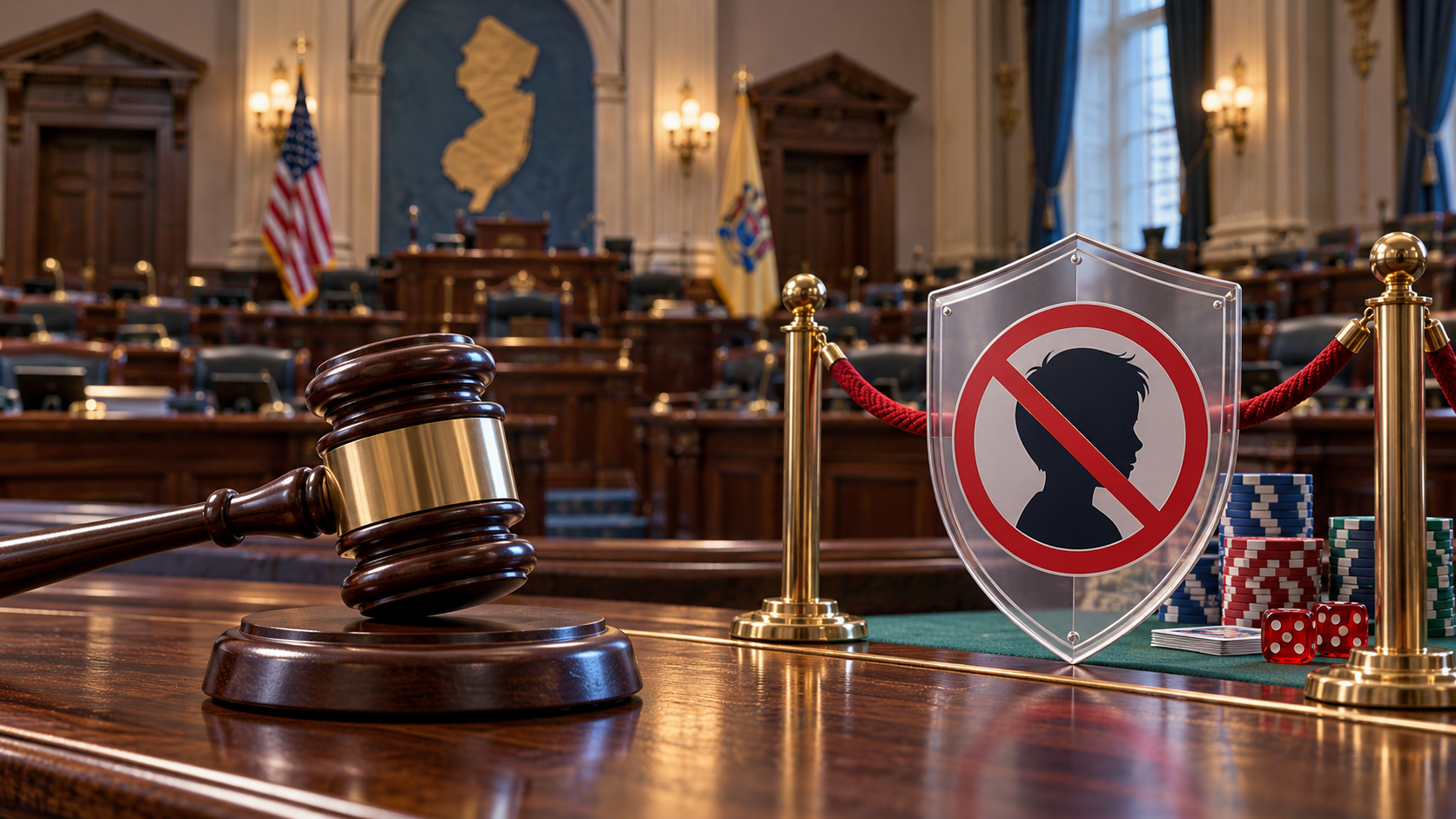
Editorial illustration about underage gambling law, United States casino and gambling news, and source documents

underage gambling law in Focus: What the Latest Report Says

underage gambling law in Focus: What the Latest Report Says

underage gambling law is the focus of this U.S. casino and gambling news briefing. It is based on Should Underage Gambling Be a Crime? Some New Jersey Lawmakers Say ‘No’, published by Casino.org News on September 29, 2026. This original summary keeps the source visible while adding context for readers who want to understand what is known, what remains specific to the reported situation, and what should be checked next.

What the source report says

News Regional News Atlantic City Atlantic City Should Underage Gambling Be a Crime? Some New Jersey Lawmakers Say ‘No’ Posted on : September 29, 2026, 02:44h. Last updated on : September 29, 2026, 02:44h. Written by Devin O’Connor Devin O’Connor is a senior reporter for Casino.org, covering politics, casino business, and gaming news. Devin came on board with Casino.org in 2014… Click for more Key Points New Jersey lawmakers are considering a bipartisan bill to replace criminal penalties for underage gambling with civil fines of up to $2,000 SB597 would send the penalty money to gambling prevention, education, and treatment programs, while also applying fines to employees or adults who knowingly assist underage gambling The bill has been referred to the Senate Judiciary Committee, with New Jersey lawmakers scheduled to remain in session through Dec. 17 Share Bipartisan legislation in New Jersey would decriminalize underage gambling, reducing the wrongdoing from a criminal offense to a civil penalty. Pamela, a security worker at Caesars Atlantic City, is pictured in a file photograph from July 2006. Legislation in New Jersey would decriminalize underage gambling. (Image: Getty) New Jersey Sen. Jim Beach (D-Camden) has been encouraging lawmakers in Trenton to decriminalize underage gambling for four years. 2026 could finally be the year that the NJ Legislature agrees that minors shouldn’t face criminal prosecution for entering and gambling inside an Atlantic City casino. Beach

The source account describes a defined development rather than a complete picture of the national industry. The sequence matters. Readers should identify what was announced, who made the statement, which jurisdiction or company is involved, and what action has actually occurred. A report may describe a proposal, investigation, legal claim, investment, revenue result, technology arrangement, event plan, or court process without resolving every question that follows.

Why underage gambling law matters

Regulatory and legal stories turn on exact authority, jurisdiction, procedural posture, and the difference between an allegation, a proposal, an order, a review, and a final ruling.

For operators and suppliers, the immediate questions may involve compliance, customer experience, staffing, technology, capital plans, or timing. For regulators and public officials, the relevant evidence may include legal authority, disclosure, public records, procedural status, and whether safeguards are working. Consumers should ask what product, property, contract, event, or proposal is involved and whether anything they can legally do today has changed.

U.S. gambling markets are not one uniform system. State laws, tribal compacts, licensing conditions, tax rules, advertising standards, court decisions, and responsible-gambling expectations can produce different outcomes in neighboring jurisdictions. A development in one state or company should not be presented as proof that every operator, bettor, casino, lottery, or prediction market faces the same conditions.

What to watch next

The next useful evidence may come from an official filing, regulator notice, court docket, company update, event organizer, audited result, or later report. That follow-up can clarify whether a proposal advances, a review produces a decision, an investment is deployed, a contract is implemented, a revenue trend persists, or a legal claim changes. Until then, the most accurate approach is to describe the current development narrowly and keep confirmed facts separate from allegations, estimates, forecasts, commentary, and future possibilities.

Readers can compare the original account with American Gaming Association and National Council on Problem Gambling. Those sources provide official or industry context, but they do not turn this article into legal, tax, investment, clinical, or wagering advice.

Related reading

Related coverage on this site includes Canadian Industry Reaction to Sports Betting Regulation Bill, Federal Authorities Target Cybercriminals: Uncovering the Betting Strategies Behind Online Gambling Schemes, MGM takeover bid in Focus: What the Latest Report Says. These links offer additional reading and are not endorsements of an operator, promotion, investment, event, or wager.

FAQ

Does this report change gambling rules everywhere in the United States?

No. Casino, lottery, sports-betting, and prediction-market rules depend on state law, tribal authority, licensing conditions, court decisions, and regulator guidance. A development involving one jurisdiction or company does not automatically apply nationwide.

What should readers verify before acting on this news?

Check the original source, publication date, named agency or organization, current terms, and whether the information is a proposal, estimate, allegation, preview, vote, order, or completed action. Use current official materials for legal, tax, or financial questions.

How can gambling stay recreational?

Set a budget and time limit before play, take breaks, and treat gambling as entertainment rather than income. If it stops feeling manageable, contact a qualified gambling-support service.

Responsible gambling: Gambling involves risk and is not a guaranteed way to make money. Only participate where legal, use funds you can afford to lose, set time and spending limits, avoid chasing losses, and seek qualified support if gambling affects your finances, relationships, or wellbeing. The National Council on Problem Gambling provides confidential information and support.

Original source: Should Underage Gambling Be a Crime? Some New Jersey Lawmakers Say ‘No’ from Casino.org News. This is an original summary and context piece based on that report.

Editorial illustration about Pennsylvania gaming fines, United States casino and gambling news, and source documents

Pennsylvania gaming fines in Focus: What the Latest Report Says

Pennsylvania gaming fines in Focus: What the Latest Report Says

Pennsylvania gaming fines is the focus of this U.S. casino and gambling news briefing. It is based on Pennsylvania: Gaming regulators fine MGM Resorts, CountR GmbH, published by CDC Gaming Reports on September 24, 2026. This original summary keeps the source visible while adding context for readers who want to understand what is known, what is still being evaluated, and which details remain specific to the reported situation.

What the source report says

Pennsylvania: Gaming regulators fine MGM Resorts, CountR GmbH Thursday, September 24, 2026 10:54 AM Photo: Pennsylvania Gaming Control Board Chris Sieroty — Managing Editor, CDC Gaming View more Email, LinkedIn, and more Share this article Germany Pennsylvania Commercial Casinos Suppliers Fines MGM Regulation MGM Resorts International and CountR GmbH combined will pay more than $100,000 in fines after Pennsylvania gaming regulators approved two consent agreements. MGM was fined $50,250 for its failure to timely file a principal licensing application. The Pennsylvania Gaming Control Board did not identify the employee who failed to file the required document. According to the consent agreement, an officer or director who is required to be licensed as a principal must submit a completed multi-jurisdictional personal-history disclosure form and the Pennsylvania supplement to the multi-jurisdictional personal-history disclosure form within 30 days of performing any duties as an officer or director. Under state regulations, it is unlawful for a person to work or be employed in a position that requires licensure without obtaining the requisite license. The PGCB also noted it’s unlawful for a licensed entity, such as MGM, to employ or continue to employ a person in a position that requires licensure to comply with the Pennsylvania Race Horse Development and Gaming Act. CountR GmbH was fined for an unapproved change of control of its license and failure to pay required licensing fees

The source account describes a defined development rather than a complete picture of the national industry. The sequence matters: readers should identify what was announced, who made the statement, which jurisdiction or company is involved, and what action has actually occurred. A report may describe a proposal, investigation, fine, legal claim, vote, revenue result, technology arrangement, event plan, or court process without resolving every question that follows.

Why Pennsylvania gaming fines matters

Regulatory and legal stories turn on exact authority, jurisdiction, procedural posture, and the difference between an allegation, an order, a fine, a review, and a final ruling.

For operators and suppliers, the immediate questions may involve compliance, customer experience, staffing, technology, capital plans, or the timing of a future decision. For regulators and public officials, the relevant evidence may include legal authority, disclosure, public records, procedural status, and whether safeguards are working. Consumers should ask what product, property, contract, event, or proposal is involved and whether anything they can legally do today has changed.

U.S. gambling markets are not one uniform system. State laws, tribal compacts, licensing conditions, tax rules, advertising standards, court decisions, and responsible-gambling expectations can produce different outcomes in neighboring jurisdictions. A development in one state or company should not be presented as proof that every operator, bettor, casino, lottery, or prediction market faces the same conditions.

What to watch next

The next useful evidence may come from an official filing, regulator notice, court docket, company update, event organizer, audited result, or later report. That follow-up can clarify whether a proposal advances, a review produces a decision, a contract is implemented, a revenue trend persists, or a legal claim changes. Until then, the most accurate approach is to describe the current development narrowly and keep confirmed facts separate from allegations, estimates, forecasts, commentary, and future possibilities.

Readers can compare the original account with American Gaming Association and National Council on Problem Gambling. Those sources provide official or industry context, but they do not turn this article into legal, tax, investment, clinical, or wagering advice.

Related reading

Related coverage on this site includes Ohio Prediction Market Surge: Governor’s Race Draws Fresh Attention, Economic Benefits of Legalized Sports Betting in Texas, Sportsbook Use Prediction Markets: Survey Tracks a Shift. These links offer additional reading and are not endorsements of an operator, promotion, investment, event, or wager.

FAQ

Does this report change gambling rules everywhere in the United States?

No. Casino, lottery, sports-betting, and prediction-market rules depend on state law, tribal authority, licensing conditions, court decisions, and regulator guidance. A development in one jurisdiction or company does not automatically apply nationwide.

What should readers verify before acting on this news?

Check the original source, publication date, relevant agency or organization, current terms, and whether the information is a proposal, estimate, allegation, preview, vote, order, or completed action. Use current official materials for legal, tax, or financial questions.

How can gambling stay recreational?

Set a budget and time limit before play, take breaks, and treat gambling as entertainment rather than income. If it stops feeling manageable, contact a qualified gambling-support service.

Responsible gambling: Gambling involves risk and is not a guaranteed way to make money. Only participate where legal, use funds you can afford to lose, set time and spending limits, avoid chasing losses, and seek qualified support if gambling affects your finances, relationships, or wellbeing. The National Council on Problem Gambling provides confidential information and support.

Original source: Pennsylvania: Gaming regulators fine MGM Resorts, CountR GmbH from CDC Gaming Reports. This is an original summary and context piece based on that report.

Prediction Markets Jurisdiction Question Heads to a New York Federal Court

Editorial illustration of a US federal court, prediction markets, and CFTC jurisdiction

Prediction Markets Jurisdiction Question Heads to a New York Federal Court

prediction markets is the focus of a new US gaming-news article after Casino.org News reported “NY Federal Judge Weighs CFTC Exclusive Jurisdiction Over Prediction Markets” on September 16, 2026. The development matters because it touches prediction market regulation and CFTC prediction markets, but it should be read as a specific event rather than a promise about what happens next.

What the source reports

News Prediction Markets Prediction Markets NY Federal Judge Weighs CFTC Exclusive Jurisdiction Over Prediction Markets Posted on : September 16, 2026, 09:58h. Last updated on : September 16, 2026, 10:54h. Written by Devin O’Connor Devin O’Connor is a senior reporter for Casino.org, covering politics, casino business, and gaming news. Devin came on board with Casino.org in 2014… Click for more Key Points A federal judge heard arguments Monday over whether CFTC-regulated prediction markets must comply with New York gambling laws New York AG Letitia James alleges Coinbase and Gemini offer illegal gambling and seeks $3.4 billion in damages and restitution The CFTC argues federal law gives it exclusive authority over event contracts, while the AGA says sports contracts are unregulated sports bets Share A federal judge on Monday (Sept. 14) heard oral arguments from the Commodity Futures Trading Commission (CFTC) on why the prediction markets it regulates should not be subject to New York state gaming laws. The headquarters of the Commodity Futures Trading Commission in Washington, DC. The independent federal financial regulator says it has the exclusive jurisdiction over prediction markets. (Image: Shutterstock) In April, New York Attorney General Letitia James sued Coinbase and Gemini on allegations that the prediction markets run illegal gambling platforms. James is seeking the r

The source provides a dated account of the development and a useful starting point for readers following casino, gambling, and sports-wagering markets. The key facts are narrower than the larger industry debate. This report does not by itself establish a nationwide policy, a typical customer experience, or a guaranteed commercial result.

Why prediction markets matters

Explain the reported jurisdiction question and make clear that a hearing or court consideration is not the same as a final nationwide ruling. That distinction helps readers compare operators, products, regulators, and markets without treating a headline as a forecast. A company announcement, a regulator’s action, an analyst’s view, or a monthly data release can be important while still leaving open questions about timing, execution, legal scope, and customer response.

The broader context includes prediction market regulation, CFTC prediction markets, sports event contracts. Those phrases describe connected themes, not additional facts that the source necessarily proves. Readers should separate what was reported from what may be inferred, especially where future revenue, market share, investment value, legality, or consumer outcomes are concerned.

What operators, regulators, and consumers should watch

Operators will read this type of news through product design, margins, compliance, workforce decisions, and long-term positioning. Regulators will focus on the authority that applies, the record supporting the action, and the protections available to the public. Consumers should ask practical questions: which product or property is involved, what terms apply, which jurisdiction is relevant, and whether the story changes anything they can do today.

The next useful evidence will come from primary records, later company updates, and the relevant state or federal authority. Follow-up reporting may clarify whether the activity expands, changes, faces a challenge, or remains limited to the circumstances described in the source. Until then, it is more accurate to describe this as a current development than proof of a lasting market shift.

How to read the development responsibly

News about casinos, sportsbooks, and prediction markets can move quickly, and similar terms are not always interchangeable. Availability, licensing, contract terms, state boundaries, and responsible-gambling protections can differ by product and jurisdiction. Before acting on any offer or wagering information, check current operator terms and official local guidance. Never treat a news report, projection, promotion, or unusual result as evidence of likely personal profit.

For additional context, readers can review Commodity Futures Trading Commission, Congress.gov. These resources help distinguish industry commentary from official rules, consumer guidance, and regulatory information. Related coverage on this site includes Sports Betting on F1: How Brad Pitt’s New Movie Filming at the Las Vegas Grand Prix Impacts the Odds and Gambling Loss Tax Deduction Debate Keeps Federal Policy in View and Sports Betting Bettor Economics: What a 75-Cent Return Estimate Does and Does Not Show. Those links provide context rather than endorsement.

FAQ

Does this update change gambling rules everywhere in the United States?

No. Casino and betting rules remain shaped by state law, tribal compacts, licensing conditions, and regulator guidance. A development in one jurisdiction or company does not automatically apply nationwide.

What should readers verify before acting on this kind of news?

Check the original source, confirm the date, identify the relevant regulator or operator, and review official terms or legislative text before treating the story as settled.

How can gambling stay recreational?

Set a budget before play, avoid chasing losses, take breaks, and treat gambling as entertainment rather than income. If it stops feeling manageable, contact a qualified support service.

Responsible gambling note: Gambling involves risk and is not a guaranteed way to make money. Only play where legal, use funds you can afford to lose, and seek help if gambling affects your finances, relationships, or wellbeing. The National Council on Problem Gambling provides confidential support and education.

Original source: NY Federal Judge Weighs CFTC Exclusive Jurisdiction Over Prediction Markets. This article is an original summary and context piece based on that report and does not add facts beyond the cited material.

Editorial illustration of a US federal court, prediction markets, and CFTC jurisdiction

Prediction Markets Jurisdiction Question Heads to a New York Federal Court

Prediction Markets Jurisdiction Question Heads to a New York Federal Court

prediction markets is the focus of a new US gaming-news article after Casino.org News reported “NY Federal Judge Weighs CFTC Exclusive Jurisdiction Over Prediction Markets” on September 16, 2026. The development matters because it touches prediction market regulation and CFTC prediction markets, but it should be read as a specific event rather than a promise about what happens next.

What the source reports

News Prediction Markets Prediction Markets NY Federal Judge Weighs CFTC Exclusive Jurisdiction Over Prediction Markets Posted on : September 16, 2026, 09:58h. Last updated on : September 16, 2026, 10:54h. Written by Devin O’Connor Devin O’Connor is a senior reporter for Casino.org, covering politics, casino business, and gaming news. Devin came on board with Casino.org in 2014… Click for more Key Points A federal judge heard arguments Monday over whether CFTC-regulated prediction markets must comply with New York gambling laws New York AG Letitia James alleges Coinbase and Gemini offer illegal gambling and seeks $3.4 billion in damages and restitution The CFTC argues federal law gives it exclusive authority over event contracts, while the AGA says sports contracts are unregulated sports bets Share A federal judge on Monday (Sept. 14) heard oral arguments from the Commodity Futures Trading Commission (CFTC) on why the prediction markets it regulates should not be subject to New York state gaming laws. The headquarters of the Commodity Futures Trading Commission in Washington, DC. The independent federal financial regulator says it has the exclusive jurisdiction over prediction markets. (Image: Shutterstock) In April, New York Attorney General Letitia James sued Coinbase and Gemini on allegations that the prediction markets run illegal gambling platforms. James is seeking the r

The source provides a dated account of the development and a useful starting point for readers following casino, gambling, and sports-wagering markets. The key facts are narrower than the larger industry debate. This report does not by itself establish a nationwide policy, a typical customer experience, or a guaranteed commercial result.

Why prediction markets matters

Explain the reported jurisdiction question and make clear that a hearing or court consideration is not the same as a final nationwide ruling. That distinction helps readers compare operators, products, regulators, and markets without treating a headline as a forecast. A company announcement, a regulator’s action, an analyst’s view, or a monthly data release can be important while still leaving open questions about timing, execution, legal scope, and customer response.

The broader context includes prediction market regulation, CFTC prediction markets, sports event contracts. Those phrases describe connected themes, not additional facts that the source necessarily proves. Readers should separate what was reported from what may be inferred, especially where future revenue, market share, investment value, legality, or consumer outcomes are concerned.

What operators, regulators, and consumers should watch

Operators will read this type of news through product design, margins, compliance, workforce decisions, and long-term positioning. Regulators will focus on the authority that applies, the record supporting the action, and the protections available to the public. Consumers should ask practical questions: which product or property is involved, what terms apply, which jurisdiction is relevant, and whether the story changes anything they can do today.

The next useful evidence will come from primary records, later company updates, and the relevant state or federal authority. Follow-up reporting may clarify whether the activity expands, changes, faces a challenge, or remains limited to the circumstances described in the source. Until then, it is more accurate to describe this as a current development than proof of a lasting market shift.

How to read the development responsibly

News about casinos, sportsbooks, and prediction markets can move quickly, and similar terms are not always interchangeable. Availability, licensing, contract terms, state boundaries, and responsible-gambling protections can differ by product and jurisdiction. Before acting on any offer or wagering information, check current operator terms and official local guidance. Never treat a news report, projection, promotion, or unusual result as evidence of likely personal profit.

For additional context, readers can review Commodity Futures Trading Commission, Congress.gov. These resources help distinguish industry commentary from official rules, consumer guidance, and regulatory information. Related coverage on this site includes Sports Betting on F1: How Brad Pitt’s New Movie Filming at the Las Vegas Grand Prix Impacts the Odds and Gambling Loss Tax Deduction Debate Keeps Federal Policy in View and Sports Betting Bettor Economics: What a 75-Cent Return Estimate Does and Does Not Show. Those links provide context rather than endorsement.

FAQ

Does this update change gambling rules everywhere in the United States?

No. Casino and betting rules remain shaped by state law, tribal compacts, licensing conditions, and regulator guidance. A development in one jurisdiction or company does not automatically apply nationwide.

What should readers verify before acting on this kind of news?

Check the original source, confirm the date, identify the relevant regulator or operator, and review official terms or legislative text before treating the story as settled.

How can gambling stay recreational?

Set a budget before play, avoid chasing losses, take breaks, and treat gambling as entertainment rather than income. If it stops feeling manageable, contact a qualified support service.

Responsible gambling note: Gambling involves risk and is not a guaranteed way to make money. Only play where legal, use funds you can afford to lose, and seek help if gambling affects your finances, relationships, or wellbeing. The National Council on Problem Gambling provides confidential support and education.

Original source: NY Federal Judge Weighs CFTC Exclusive Jurisdiction Over Prediction Markets. This article is an original summary and context piece based on that report and does not add facts beyond the cited material.

Gambling Loss Tax Deduction Debate Keeps Federal Policy in View

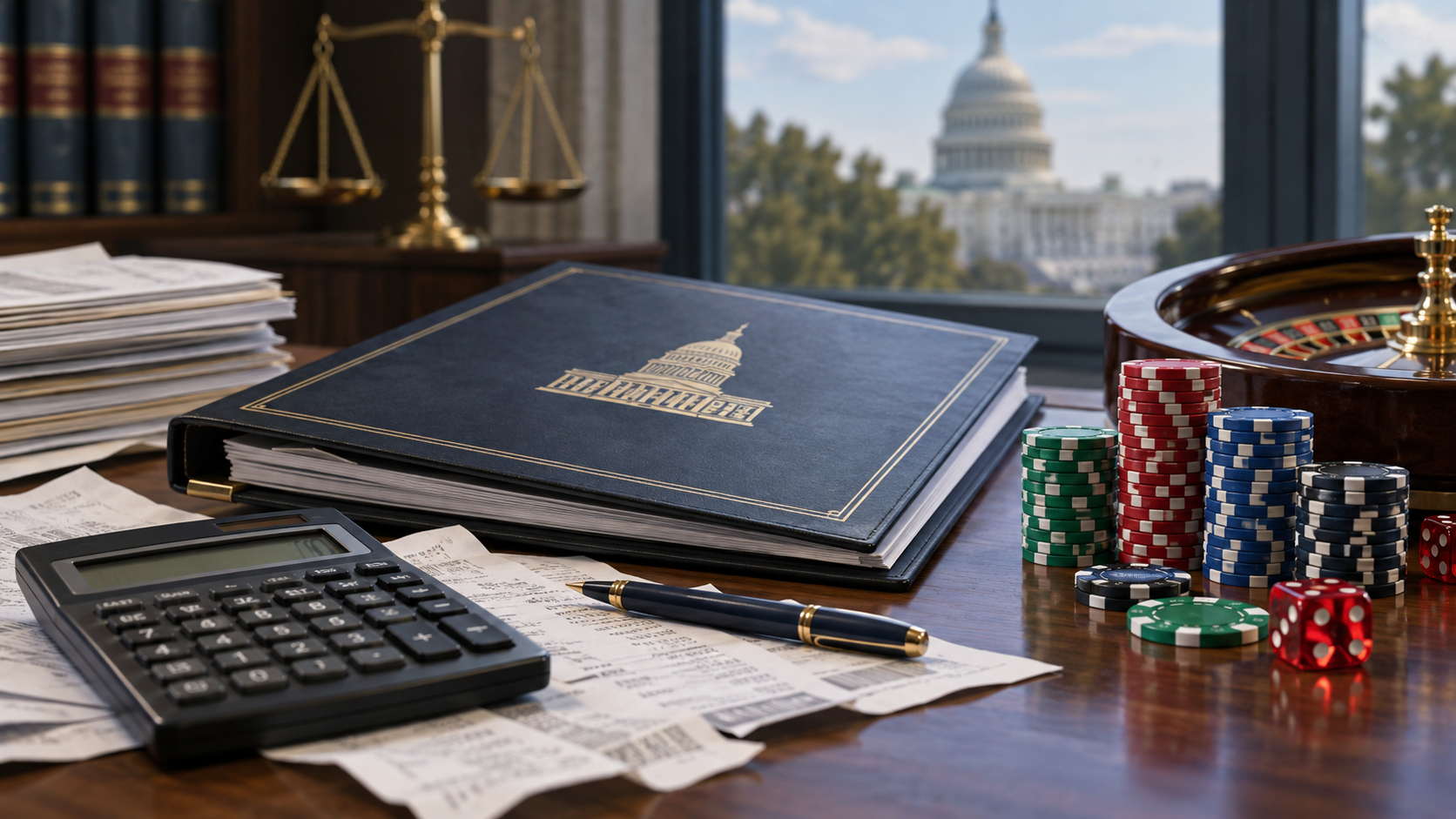
Editorial illustration of US gambling tax policy, receipts, and a federal legislative debate

Gambling Loss Tax Deduction Debate Keeps Federal Policy in View

gambling loss tax deduction is the focus of a new US gaming-news article after Casino.org News reported “Odds Improve That Federal Tax Deduction for Gambling Losses Will Be Restored to 100%” on September 15, 2026. The development matters because it touches gambling loss deduction and federal gambling taxes, but it should be read as a specific event rather than a promise about what happens next.

What the source reports

News Legislation Legislation Odds Improve That Federal Tax Deduction for Gambling Losses Will Be Restored to 100% Posted on : September 15, 2026, 02:58h. Last updated on : September 15, 2026, 02:58h. Written by Devin O’Connor Devin O’Connor is a senior reporter for Casino.org, covering politics, casino business, and gaming news. Devin came on board with Casino.org in 2014… Click for more Key Points The House Ways and Means Committee is considering a proposal to restore the 100% federal deduction for gambling losses against winnings, including retroactive relief for 2026 The provision, based on Rep. Max Miller’s bipartisan FULL HOUSE Act, was added to the Digital Asset Tax Certainty Act and is set for committee consideration Wednesday Prediction markets have seen more than $3.1 million wagered on whether the 90% limitation will be repealed, with traders currently implying a 48% chance of repeal by April 1, 2027 Share The odds of gamblers being allowed to write off 100% of their gambling losses against their winnings shortened this week when a proposal to eliminate the One Big Beautiful Bill tax provision was included in a legislative package being considered by the House Ways and Means Committee. The Ways and Means Committee main entrance in Washington, DC. The committee is considering restoring the deduction for gambling losses to 100%. (Image: Shutterstock) The oldest committee of the United States Congress, the Ways and Means Committee is meeting this week on Capitol Hill, where the chief tax-writing body is considering

The source provides a dated account of the development and a useful starting point for readers following casino, gambling, and sports-wagering markets. The key facts are narrower than the larger industry debate. This report does not by itself establish a nationwide policy, a typical customer experience, or a guaranteed commercial result.

Why gambling loss tax deduction matters

Explain the reported congressional proposal and keep a legislative possibility separate from current tax law or personal tax advice. That distinction helps readers compare operators, products, regulators, and markets without treating a headline as a forecast. A company announcement, a regulator’s action, an analyst’s view, or a monthly data release can be important while still leaving open questions about timing, execution, legal scope, and customer response.

The broader context includes gambling loss deduction, federal gambling taxes, sports betting tax policy. Those phrases describe connected themes, not additional facts that the source necessarily proves. Readers should separate what was reported from what may be inferred, especially where future revenue, market share, investment value, legality, or consumer outcomes are concerned.

What operators, regulators, and consumers should watch

Operators will read this type of news through product design, margins, compliance, workforce decisions, and long-term positioning. Regulators will focus on the authority that applies, the record supporting the action, and the protections available to the public. Consumers should ask practical questions: which product or property is involved, what terms apply, which jurisdiction is relevant, and whether the story changes anything they can do today.

The next useful evidence will come from primary records, later company updates, and the relevant state or federal authority. Follow-up reporting may clarify whether the activity expands, changes, faces a challenge, or remains limited to the circumstances described in the source. Until then, it is more accurate to describe this as a current development than proof of a lasting market shift.

How to read the development responsibly

News about casinos, sportsbooks, and prediction markets can move quickly, and similar terms are not always interchangeable. Availability, licensing, contract terms, state boundaries, and responsible-gambling protections can differ by product and jurisdiction. Before acting on any offer or wagering information, check current operator terms and official local guidance. Never treat a news report, projection, promotion, or unusual result as evidence of likely personal profit.

For additional context, readers can review Internal Revenue Service, Congress.gov. These resources help distinguish industry commentary from official rules, consumer guidance, and regulatory information. Related coverage on this site includes Sports Betting Bettor Economics: What a 75-Cent Return Estimate Does and Does Not Show and Jumba Bet Levels Up: Broader Game Choice and a Brand That Listens and iGaming Growth: Analyzing Pennsylvania Casino Revenue Trends and Challenges. Those links provide context rather than endorsement.

FAQ

Does this update change gambling rules everywhere in the United States?

No. Casino and betting rules remain shaped by state law, tribal compacts, licensing conditions, and regulator guidance. A development in one jurisdiction or company does not automatically apply nationwide.

What should readers verify before acting on this kind of news?

Check the original source, confirm the date, identify the relevant regulator or operator, and review official terms or legislative text before treating the story as settled.

How can gambling stay recreational?

Set a budget before play, avoid chasing losses, take breaks, and treat gambling as entertainment rather than income. If it stops feeling manageable, contact a qualified support service.

Responsible gambling note: Gambling involves risk and is not a guaranteed way to make money. Only play where legal, use funds you can afford to lose, and seek help if gambling affects your finances, relationships, or wellbeing. The National Council on Problem Gambling provides confidential support and education.

Original source: Odds Improve That Federal Tax Deduction for Gambling Losses Will Be Restored to 100%. This article is an original summary and context piece based on that report and does not add facts beyond the cited material.

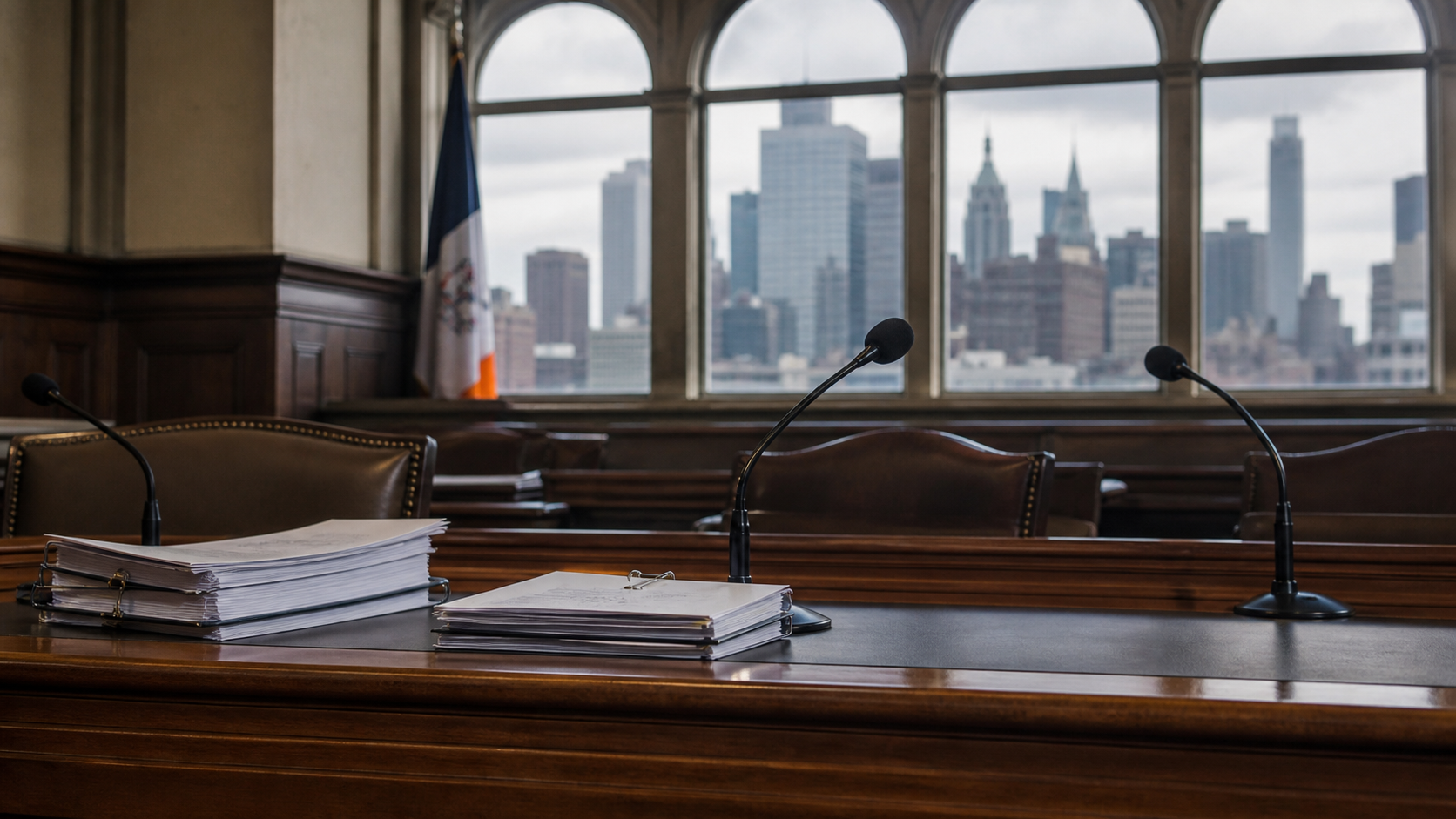
New York City civic hearing about prediction market consumer protection

Prediction market regulation comes under NYC consumer-protection probe

Prediction market regulation comes under NYC consumer-protection probe

Prediction market regulation is back in the spotlight after the New York City Council opened a probe into marketing practices and possible consumer-protection risks. This article uses prediction market regulation as its primary keyword while keeping the reporting tied to the original source.

This briefing separates confirmed facts from analysis and future possibilities. Casino, sportsbook and gambling stories often mix a current announcement with legal, financial or consumer questions, so the date and jurisdiction should remain visible when readers interpret the update.

Key facts

  • Casino.org reported that the Council is examining whether prediction-market advertising is deceptive or predatory and whether additional protections, enforcement or health funding are needed.
  • The investigation follows lawsuits by New York Attorney General Letitia James that allege several platforms offer unlicensed gambling services.
  • The article also described a disagreement with CFTC Chair Michael Selig, who defends prediction markets as financial innovation while state and international regulators challenge how the products operate.

What the original source reports

Casino.org reported that the Council is examining whether prediction-market advertising is deceptive or predatory and whether additional protections, enforcement or health funding are needed.

The investigation follows lawsuits by New York Attorney General Letitia James that allege several platforms offer unlicensed gambling services.

The article also described a disagreement with CFTC Chair Michael Selig, who defends prediction markets as financial innovation while state and international regulators challenge how the products operate.

The source link is included below so readers can review the complete account, its wording and any later corrections. The information above is a concise summary, not a substitute for a regulator notice, court filing, company release or current terms.

Why this update matters

The prediction market regulation debate has two separate layers: what a contract is legally classified as, and how it is marketed to the public. A platform can describe itself as a financial exchange while consumers experience a fast yes-or-no wager on sports, politics, weather or culture. For related coverage, see Novig sports prediction market launches with a 21+ age limit, New York Mets prediction market deal brings Novig into MLB partnership, Novig prediction markets move toward nationwide sports contracts.

A city investigation is not a final ruling that every platform violates the law. It is a fact-finding step that may lead to hearings, recommendations, enforcement or no new measure, while state and federal cases continue on their own tracks.

Consumers should look past promotional language and check the product’s jurisdiction, settlement rules, fees, identity checks and dispute process. If the legal status is unclear, the safest choice is not to risk money until the relevant authority explains it.

The wider lesson is that US gambling is not one national market. State laws, tribal arrangements, licensing terms, tax structures and consumer protections can differ substantially. A development in one jurisdiction should not be treated as permission or a forecast for another.

That is also why business or market numbers need context. Revenue, projected tax, an acquisition price, an announced product or a reported lawsuit can all be meaningful without proving that an operator will meet a future target or that an individual customer will have a favorable result. Readers should distinguish a verified fact from an interpretation and from a possibility.

What to watch next

Council hearings, court decisions and state or federal agency notices may change the regulatory picture.

Readers should check New York and federal official sources for current rules rather than treating a platform’s marketing description as legal advice.

For additional destination-site context, readers can review Novig sports prediction market launches with a 21+ age limit, New York Mets prediction market deal brings Novig into MLB partnership, Novig prediction markets move toward nationwide sports contracts. These links are provided as related reading, not as endorsements of any operator, product or wager.

Frequently asked questions

What is the reported development?

The NYC Council probe concerns prediction-market marketing and consumer protection.

Why does this USA casino-news story matter?

The probe is part of a wider dispute over whether some contracts are unlicensed gambling or financial products.

What should readers verify next?

Legal status can vary by jurisdiction and should be checked before participation.

Responsible gambling note

Responsible gambling: Gambling involves risk and is not a way to make guaranteed income. Only gamble where legal, use money you can afford to lose, set a budget and time limit before you start, avoid chasing losses and seek qualified support if gambling affects your finances, relationships or wellbeing.

Original source: Prediction Markets Face New York City Council Probe from Casino.org News. Authoritative supporting information: New York City Council and New York Attorney General.

Monarch Casino class action editorial illustration

Monarch Casino class action alleges dealer pay and tip-credit violations

Monarch Casino class action alleges dealer pay and tip-credit violations

Monarch Casino class action is back in focus for US gambling readers after Monarch Casino Black Hawk Hit with Class Action Over Dealer Pay and Tip Credit highlighted a development published on 2026-08-04. The underlying facts are specific to this story, but the broader market question is familiar: how should operators, regulators, investors, and everyday customers interpret change in a market where casino economics, wagering policy, technology, and consumer protection all move at different speeds?

What happened

Casino.org reported that former dealer Ryan Hyde filed a proposed class action involving Monarch Casino Resort Spa Black Hawk in Colorado. The key-point summary says the complaint alleges improper use of the tip credit, tip sharing with supervisors, unpaid pre-shift work, and underpaid sick-leave and vacation benefits. The proposed case seeks back wages, overtime, penalties, liquidated damages, interest, and relief for proposed nationwide and Colorado classes. These are allegations, not findings by a court.

  • Casino.org reported that former dealer Ryan Hyde filed a proposed class action involving Monarch Casino Resort Spa Black Hawk in Colorado. The key-point summary says the complaint alleges improper use of the tip credit, tip sharing with supervisors, unpaid pre-shift work, and underpaid sick-leave and vacation benefits. The proposed case seeks back wages, overtime, penalties, liquidated damages, interest, and relief for proposed nationwide and Colorado classes. These are allegations, not findings by a court.

The original report matters because it gives a dated source trail instead of rumor alone. In this case, the clearest takeaway is not simply the headline number or the headline conflict. It is the way the update fits into the current US casino and wagering landscape, where state-by-state rules, operator strategy, and consumer expectations can push the same type of news in very different directions.

Why Monarch Casino class action matters now

A Monarch Casino class action illustrates how casino operations, labor law, wage practices, and employment documentation can create legal exposure. That makes Monarch Casino class action a useful lens for readers tracking Monarch Casino Black Hawk, casino dealer tip credit, Colorado casino labor lawsuit. A single earnings update, regulatory move, or partnership discussion rarely changes the whole industry by itself, but it can reveal where capital, enforcement, and customer attention are heading next.

It also helps to keep the timeline straight. This source story is a July 2026 development, not a historical case study. That means readers should distinguish confirmed facts from follow-on speculation, especially where legislation, partnerships, or future revenue implications are concerned. In a fast-moving market, precision matters more than hype.

What operators, regulators, and consumers should watch

Operators will read this kind of news through margins, product mix, and long-term positioning. Regulators will focus on legality, disclosure, compliance, consumer harm, and whether the public record is clear enough to support oversight. Consumers should read it more practically: what product is actually being offered, which authority is relevant, what limits or rules apply, and whether the story changes the real-world experience of gambling customers today.

Those practical questions become clearer when readers compare the original report with supporting material such as Monarch Casino Black Hawk Hit with Class Action Over Dealer Pay and Tip Credit, United States Courts, US Department of Labor. On the destination site, related coverage including California lottery winnings dispute raises questions about prize claims, New York Mets prediction market deal brings Novig into MLB partnership, The Demolition of Dennis Hofs Love Ranch: A Final Chapter in the World of Las Vegas Gambling adds context about how the same themes have appeared in other casino and betting stories. Those links are for context, not endorsement, and they help show how this one development connects to wider US gambling coverage.

What comes next

Readers should follow court filings and responses from the parties, and should not treat a complaint’s allegations as an established violation or a prediction of the case’s outcome. For that reason, the most responsible interpretation is a measured one. Readers should expect more reporting, follow the relevant regulator or operator, and avoid treating an initial report as the final word when legal status, implementation, or commercial impact may still evolve.

That is especially true in casino and betting coverage because the stakes extend beyond revenue headlines. Product access, state legality, tax collections, responsible-gambling systems, and public trust all matter. A strong article keeps the original source visible, adds authoritative context, and avoids inventing claims that the source did not actually make.

FAQ

Does this update change gambling rules everywhere in the United States?

No. Casino and betting rules remain heavily shaped by state law, tribal compacts, licensing conditions, and regulator guidance. A development in one jurisdiction or company does not automatically apply nationwide.

What should readers verify before acting on this kind of news?

Check the original source, confirm the date, identify the relevant regulator or operator, and review any official terms or legislative text before treating the story as settled.

How can gambling stay recreational?

Set a budget before you play, avoid chasing losses, take breaks, and treat gambling as entertainment rather than income. If it stops feeling manageable, reach out to a qualified support service.

Responsible gambling: Gambling involves risk and is not a guaranteed way to make money. Only play where legal, use funds you can afford to lose, and seek help if gambling is affecting your finances, relationships, or wellbeing.

Original source: Monarch Casino Black Hawk Hit with Class Action Over Dealer Pay and Tip Credit. Authoritative supporting links: Monarch Casino Black Hawk Hit with Class Action Over Dealer Pay and Tip Credit, United States Courts, US Department of Labor.