

Casino Simulation: Using Models to Predict Game Outcomes
Introduction
The world of casino gaming, steeped in chance and luck, presents a challenge: how can players move beyond mere hope to accurately predict game outcomes? By leveraging sophisticated simulation models, both operators and players can analyze historical game results and refine strategies for a more informed gambling experience. This article delves into the fascinating intersection of simulation modeling and casino games, providing deep insights into how these predictive tools work within the context of casino simulation.
Understanding Simulation Models
Simulation models are mathematical representations that allow us to imitate real-world processes. In the context of casinos, simulations help forecast the outcomes of games like slots, poker, and roulette by running numerous iterations or scenarios of the games.
How Simulation Models Work
Simulation models operate using algorithms that replicate the rules of casino games. These models analyze different variables such as player decisions, game mechanics, and randomness. By inputting these parameters, the model generates possible outcomes based on statistical probabilities.
Types of Simulation Models
There are several types of simulation models commonly used in casino outcomes prediction:
- Monte Carlo Simulations: This method relies on repeated random sampling to obtain numerical results and is particularly useful in games of chance.
- Agent-Based Models: These models simulate the actions and interactions of autonomous agents (players) in a casino environment.
- Discrete Event Simulation: This approach focuses on modeling the operation of a system as a discrete sequence of events.
Advantages of Using Simulation in Casinos
Employing simulation models in casinos carries several benefits:
- Enhanced Decision Making: Simulations provide insights into potential outcomes, allowing players and operators to make informed choices.
- Strategic Planning: Casinos can simulate different scenarios to evaluate the effectiveness of marketing strategies and game variations.
- Risk Management: By predicting outcomes, casinos can better manage their financial risk and improve their odds against players.
Application of Simulation Models in Popular Casino Games
Different casino games utilize simulation models in unique ways. Let’s examine a few:
Slots
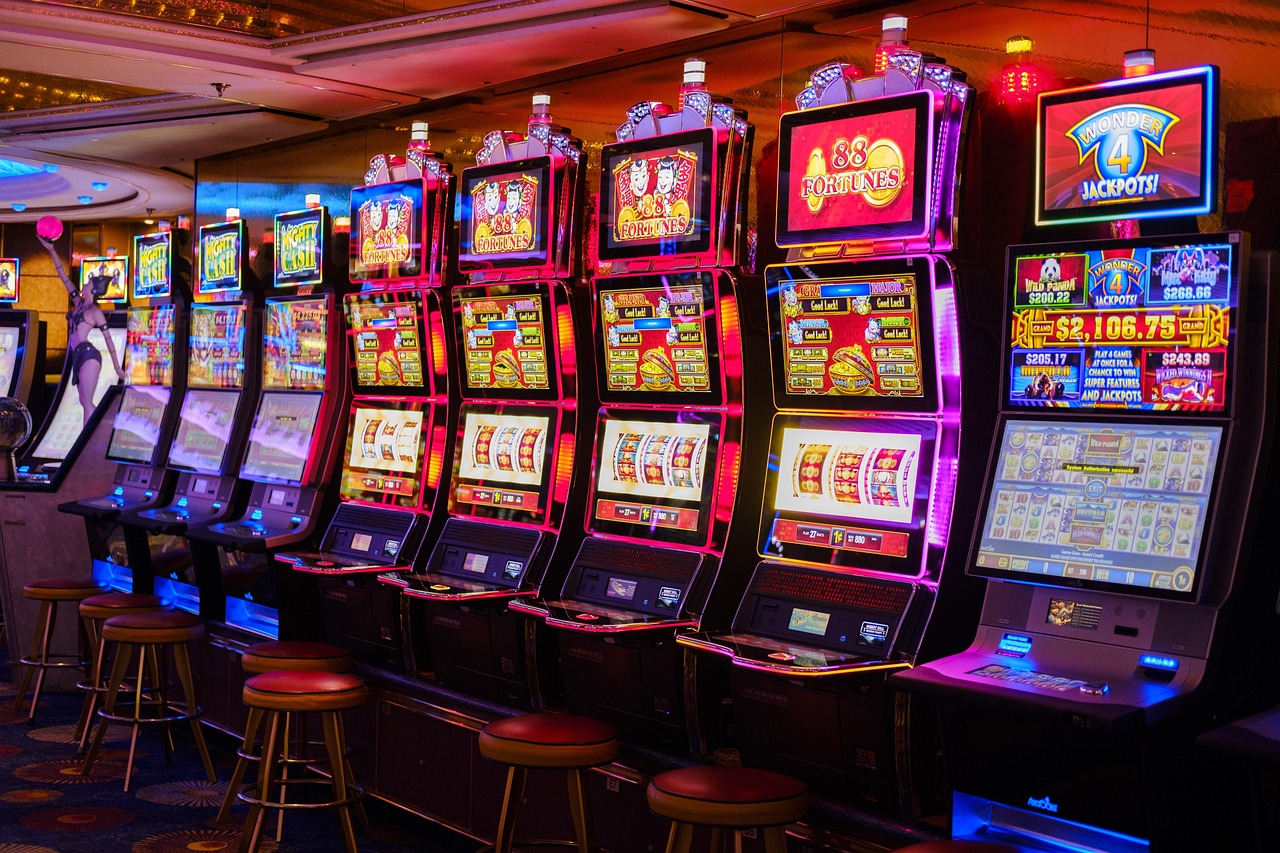
Slots operate on random number generators (RNGs). Simulation models can analyze various RNG sequences, revealing the probability of hitting jackpots and bonus rounds.
Blackjack
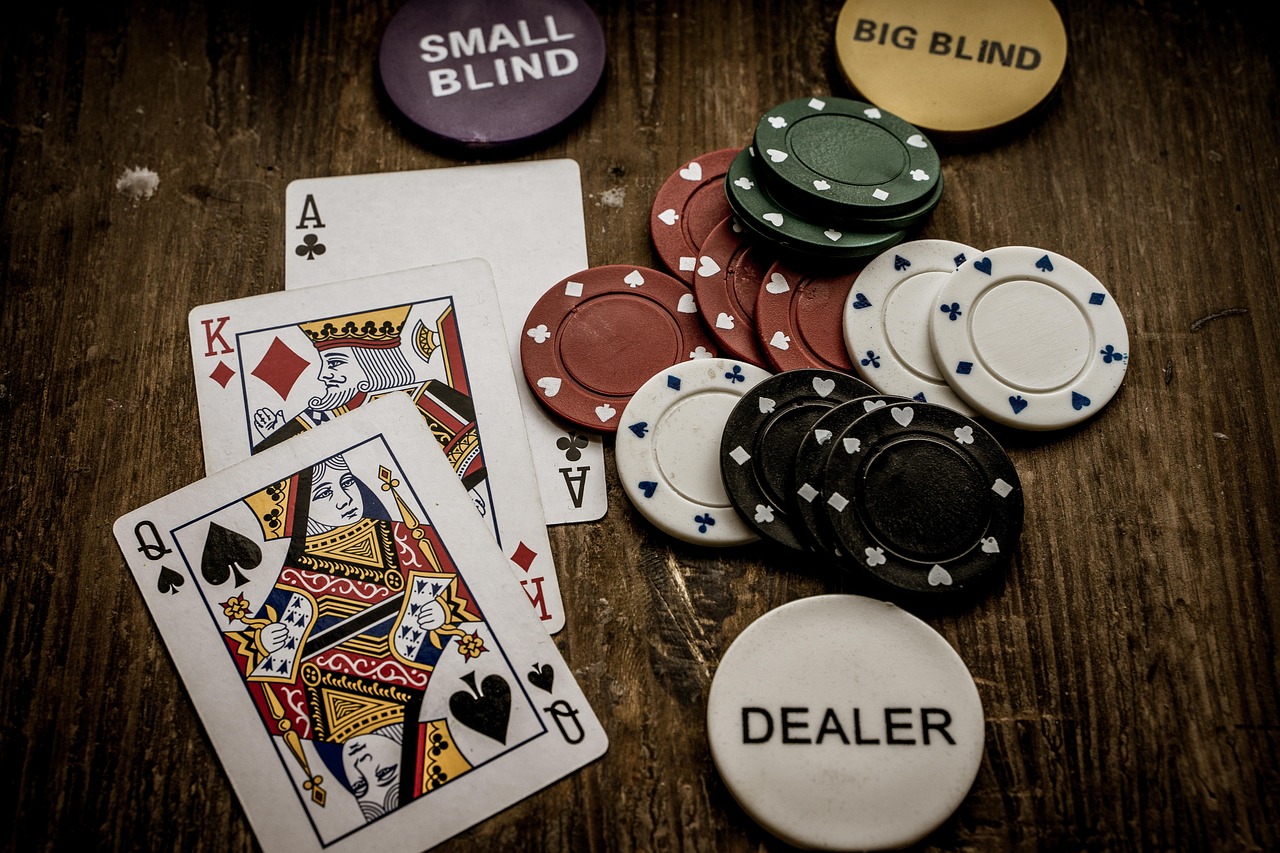
Blackjack is a game of skill and strategy. Simulations help players understand optimal strategies based on different scenarios like the dealer’s card or the number of decks being used.
Roulette
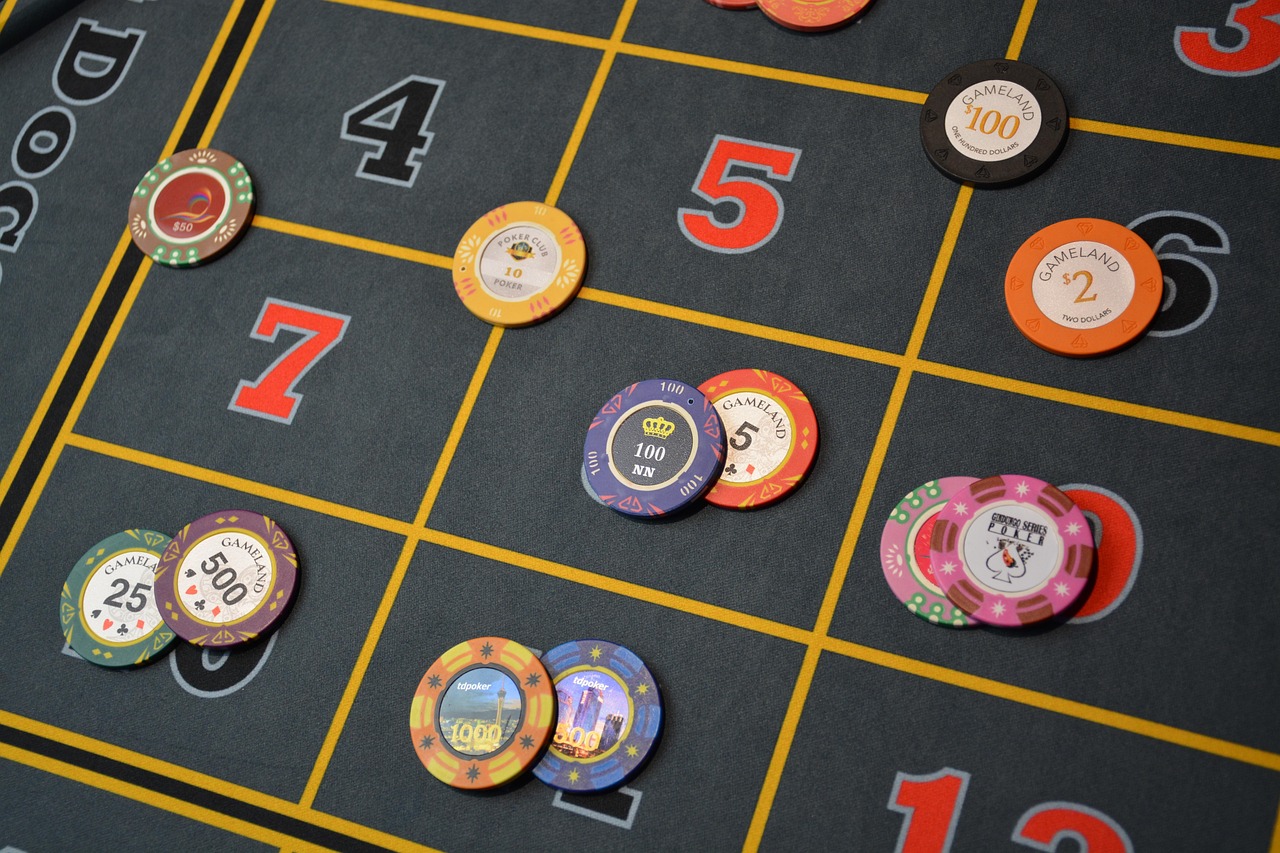
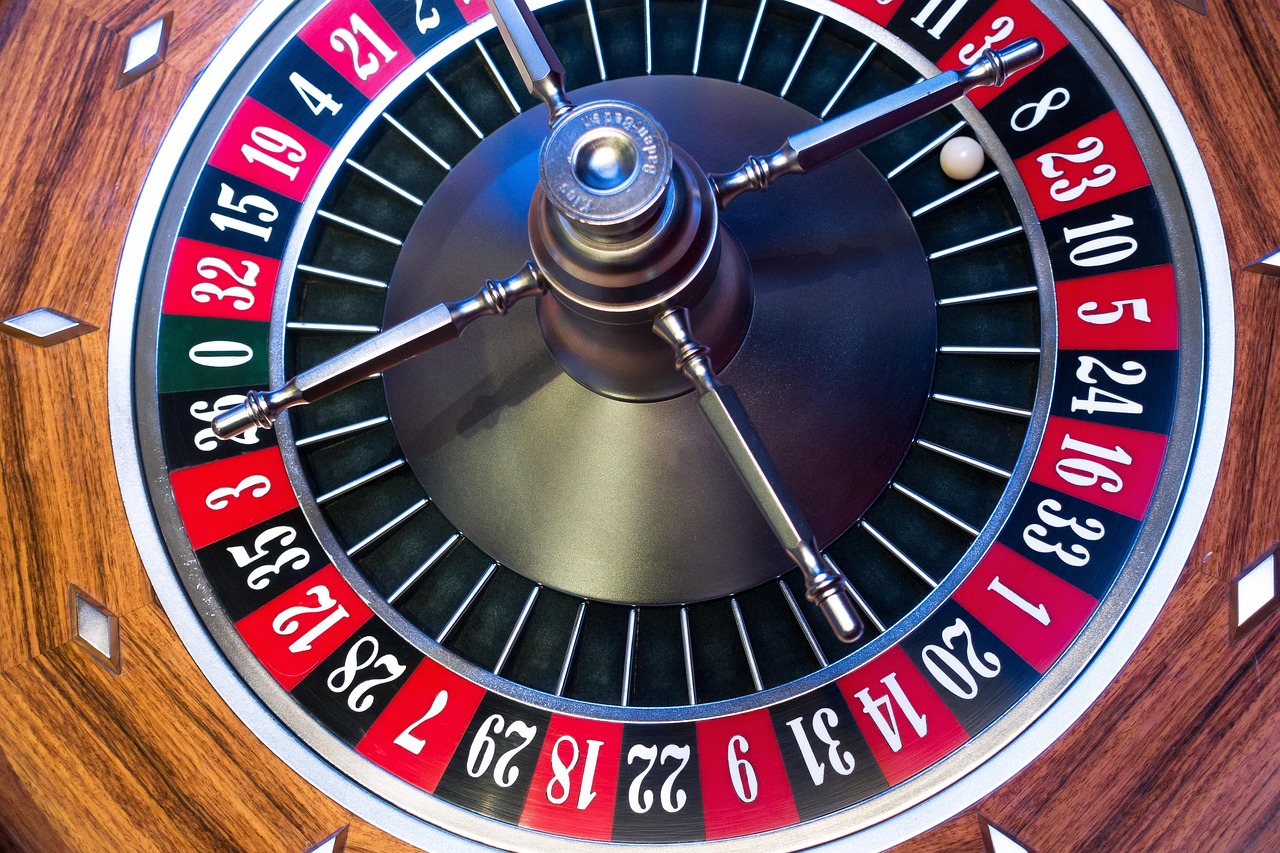
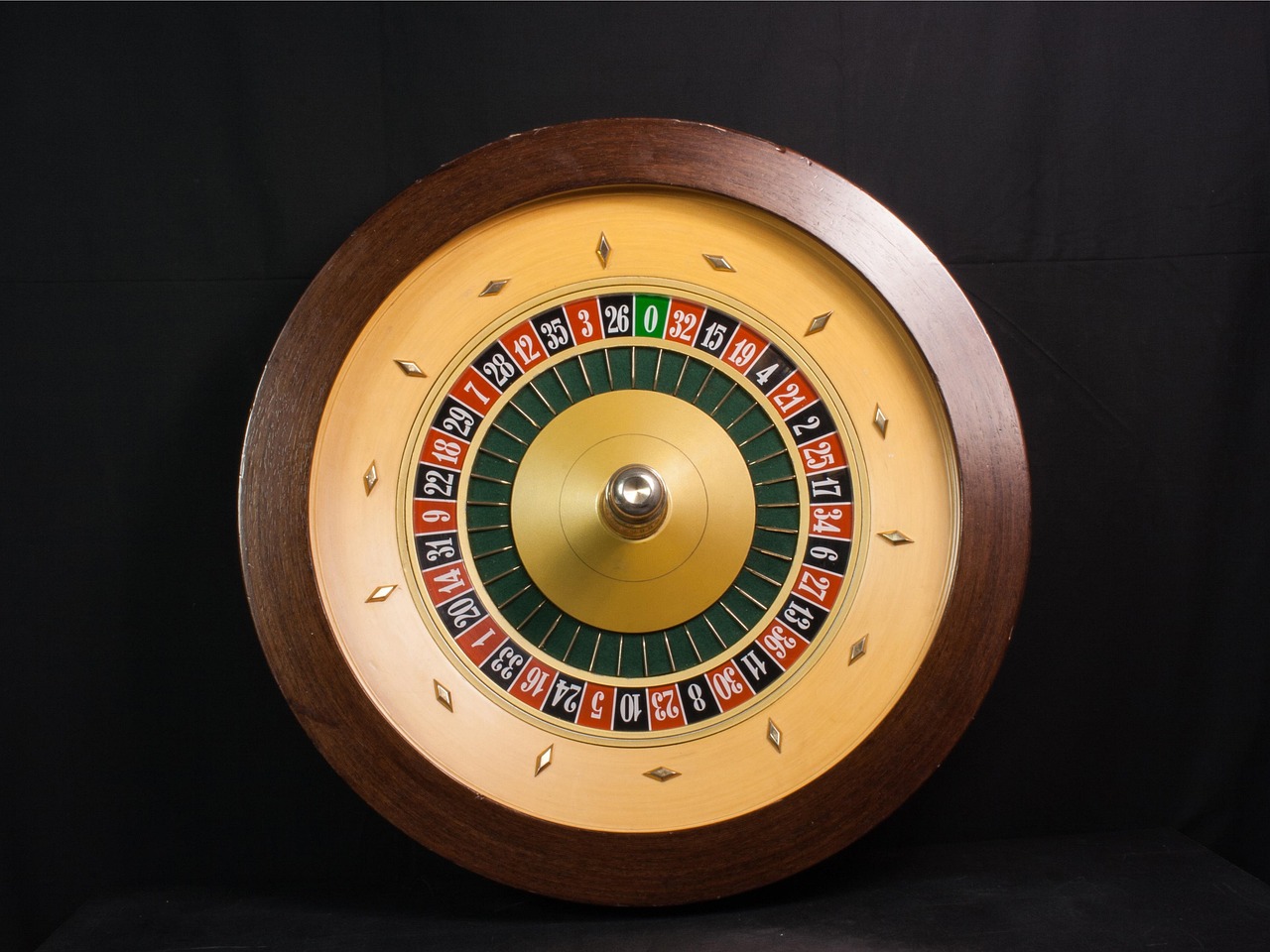
Roulette simulations can calculate the expected value of different betting strategies, offering players insight into the best approaches to increase their chances of winning.
The Role of Data Science in Casino Simulations
Data science plays a critical role in enhancing the accuracy and reliability of simulation models. By analyzing historical game data, data scientists can adjust the parameters of their models, making them more reflective of real-world outcomes.

Challenges of Using Simulation Models
Despite their advantages, there are challenges in employing simulation models:
- Complexity: Developing accurate simulation models can be significantly complex, requiring expertise in both gaming and modeling.
- Assumptions: Models are based on assumptions that may not hold true in every scenario, potentially skewing results.
Future of Simulation Models in the Casino Industry
As technology continues to evolve, so too will simulation models. With advancements in artificial intelligence and machine learning, future simulations may become even more accurate and capable of handling a wider array of variables and uncertainties.
Conclusion
Simulation models represent a powerful tool for players and operators alike to gain deeper insights into casino game outcomes. By understanding and leveraging these models, stakeholders can enhance their strategies, manage risks, and ultimately improve their experiences within the casino landscape.
For further reading, consider exploring these resources:
- Simulation Models in ScienceDirect
- Machine Learning and Simulation on Towards Data Science