


Olympus Sportsbook Founders $8M Sale: Insights into the Online Sports Betting Industry

Online Sports Betting: How the Olympus Sportsbook Founders $8M Sale Highlights the Industry

  • He’s wanted in his home country of Kazakhstan
  • The Tribeca condo is on the market for $8 million, slightly less than what he paid for it

The high-stakes world of online sports betting is reflected in the fortunes of its founders. Anarbek Zhauyrov, the Kazakhstani national known for founding the Olympus online sportsbook, has put his lavish New York City condo on the market for $8 million. This price is a slight decrease from the $8.1 million he originally paid for it eight years ago. The condo is situated in the prestigious Tribeca neighborhood, a popular area for high-profile personalities, attracting attention and speculation about his reasons for selling.

online sports betting
Image by Mariakray from Pixabay

Zhauyrov’s Olympus bet, which operates under a Curacao gaming license, is allowed to accept bets in Russia. However, it is regarded as a controversial operator in many Western European markets and is not accessible to bettors in North America, raising eyebrows about its legality and legitimacy.

Recent High-Value Listings in New York City

While the exact reasons for Zhauyrov’s condo sale remain unclear, it echoes a pattern among influential figures in the gaming industry who have recently listed their high-value real estate. For instance, Steve Wynn, another high-profile figure in this sector, recently reduced the selling price of his opulent penthouse by a staggering $20 million, highlighting the shifting landscape of luxury property in New York.

Zhauyrov’s Real Estate Empire

This Tribeca property is just one piece of Zhauyrov’s extensive portfolio, which reportedly includes multiple residential and commercial real estate holdings across the US. According to the Organized Crime and Corruption Reporting Project (OCCRP), he owns five apartments in New York City as well as a mansion in nearby suburbs, with the total value of his properties estimated at approximately $16.4 million in 2021 – a figure that is likely higher now.

  • A multi-million-dollar apartment located in Boston.
  • An office building and an apartment in Miami.
  • A high-priced apartment in Bal Harbor, Florida.

Prior estimates had placed his Florida properties’ worth at around $14.3 million four years ago, further emphasizing his significant investment in luxury real estate. Zhauyrov primarily resides in the US, where his income is likely supplemented by renting these properties.

Despite his wealth, Zhauyrov is not without controversy. Allegations in Kazakhstan indicate he is under investigation for tax evasion, adding a layer of scrutiny to his financial dealings. His wife and brother are officially listed as the owners of the companies controlling Olympus and related sportsbooks, leading some to believe this is a legal tactic aimed at distancing Zhauyrov from potential legal issues.

Zhauyrov’s Lifestyle and Public Image

A prominent figure on social media, Zhauyrov often showcases his extravagant lifestyle, which includes luxury travels to exotic locations such as Bora Bora and events with celebrities, including his appearances with famed football star Thierry Henry.

  • His collection of high-end automobiles includes models such as the Rolls Royce Phantom, which can fetch prices upwards of $613,000.
  • Regular posts display his appearances at extravagant events and lavish destinations, keeping him at the forefront of the social media spotlight.

In contrast to his glamorous public persona, his business practices and the legitimacy of his operations have raised many questions among regulators.


In summary, Anarbek Zhauyrov’s decision to sell his NYC condo appears to be a multi-faceted issue amidst his vast real estate portfolio, controversies over his business’s legality, and his high-profile lifestyle. His ability to navigate the complex world of online sports betting while under scrutiny speaks volumes about the current state of the gambling industry, especially as it adapts to increasingly rigorous regulations and public perception.
Las Vegas Casinos: How Free Parking Deals at Resorts World Are Shaping the Summer Landscape | 10BET

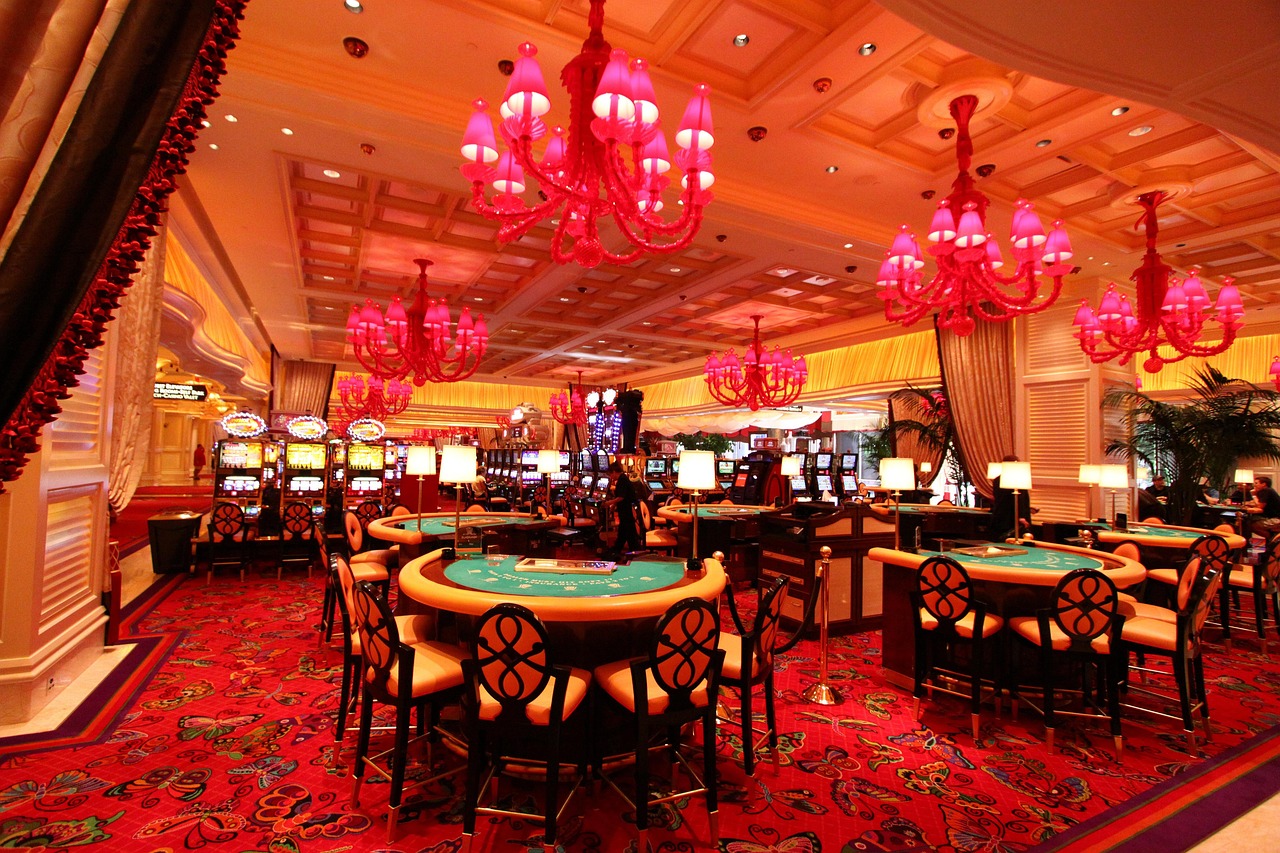
Las Vegas Casinos Guide: Score Free Parking Deals at Resorts World This Summer

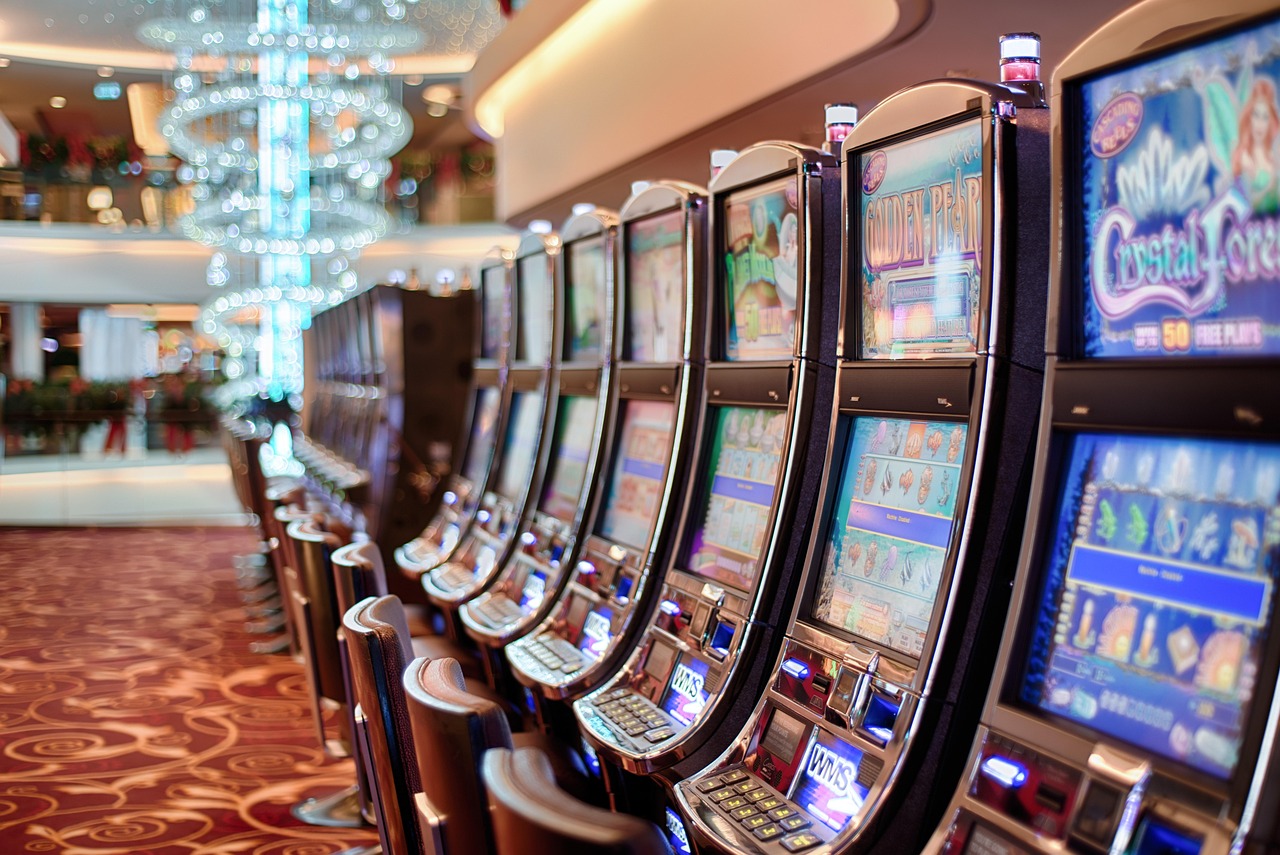
As the landscape of entertainment continues to shift, Resorts World Las Vegas is raising the bar for what travelers can expect from Las Vegas casinos by announcing an exciting new offer: free parking from June 2 through August 28 at its guest and hotel parking garages. This initiative aims to enhance the overall visitor experience, making it even easier for guests to immerse themselves in the high-energy gaming environment without the burden of added travel costs.

slot games
Image by stokpic from Pixabay

According to the resort’s social media announcement, there are no strings attached to this offer; guests are not required to be loyalty card holders or locals. While the resort didn’t explicitly mention it, it’s likely intended not just for their guests but also to attract an influx of visitors who might be interested in nearby events or locations.

Why the sudden move? Traditionally, summer is a slower time for the Strip. This promotion could be a strategic approach to entice more gamblers and visitors into Resorts World, especially considering the current decline in gaming revenue. The sweltering heat also often keeps visitors from exploring, making this free parking initiative a smart way to draw in patrons.

Benefits of Free Parking

  • Costs savings for visitors who are often charged between $20 to $50 at other Strip locations.
  • Encourages foot traffic to Resorts World, potentially increasing gaming activity and in-house spending.
  • A chance to win back traditional, value-seeking Vegas visitors tired of extra charges and fees.

Free parking is becoming increasingly rare in Las Vegas. Currently, properties like Treasure Island, Circus Circus, Sahara, and Casino Royale remain the exceptions in offering free parking without prerequisites. Most other hotels have shifted to a pay model tied to loyalty programs.

For self-parking, rates at most casinos on the Strip range significantly. For instance, you might pay:

  • Weekdays: $20
  • Weekends: Up to $50
  • Special events can drive costs even higher.

Ultimately, Resorts World’s free parking offer has the potential to enhance their guest experience while addressing broader issues within the Las Vegas casino landscape. As they try to redefine the customer experience, all eyes will be on how this bold step impacts foot traffic and gaming revenue over the summer months.

This strategic decision presents an olive branch to the cost-conscious Vegas visitor of the past, acknowledging a shift away from the ‘nickel and dime’ culture that has become all too prevalent in recent years. With the longstanding tradition of gaming and entertainment in Las Vegas, this change signals a positive trend towards valuing customer experience and satisfaction.

Conclusion

The introduction of free parking at Resorts World Las Vegas not only introduces a cost-saving measure for guests but also highlights an ongoing transition in how Las Vegas caters to its visitors. By providing a welcoming and affordable incentive, the resort is turning heads and potentially altering the perception of what it means to visit this iconic Strip. To take advantage of this offer, visitors can expect a more pleasant experience at a time when comfort and value are paramount.

State College Casino Renamed Happy Valley: Explore the New Casino Games

Happy Valley Casino: What New Casino Games Await State College Residents?

The construction of the Happy Valley Casino at the Nittany Mall in Pennsylvania’s Centre County is set to introduce a new destination for exciting casino games. This new establishment is located just a stone’s throw away from the main campus of Penn State University.

Casino games
Image by tomekwalecki from Pixabay

Led by real estate developer Ira Lubert, a Penn State alumnus and former chair of the university’s board of trustees, the $120 million gaming facility will embody the spirit of the Happy Valley community. “Happy Valley” resonates deeply within the culture of Penn State and refers to the encompassing region of State College and its surrounding areas, including College Township and Mount Nittany.

As part of the casino’s offerings, patrons can expect a variety of gaming options. The casino is classified as a Category 4 venue, initially permitted to provide:

  • Up to 750 slot machines
  • 30 live dealer table games
  • A potential sportsbook (though officials are currently not pursuing this option)

Happy Valley Casino is set to occupy the space previously held by Macy’s in the shopping centre, which has witnessed significant retail vacancies, particularly following closures of JCPenney and other major retailers in recent years.

Transforming Shopping Spaces into Gaming Experiences

The trend of transforming former retail spaces into casinos is gaining traction in Pennsylvania. Happy Valley Casino will be the fourth casino of its kind in the state, converting former shopping areas into gaming destinations. Other notable examples include:

  • Hollywood Casino York, located in a former Sears
  • Live! Casino Pittsburgh, which operates where Bon-Ton used to be
  • Parx Casino Shippensburg, situated in what was once a Lowe’s

This shift reflects a broader trend of reimagining retail spaces as entertainment hubs.

Community Perspectives on Happy Valley Casino

While many are excited about the prospects that Happy Valley Casino brings to the region, significant concerns linger within the community. Numerous residents, particularly those affiliated with or living near Penn State, express apprehension about the casino’s proximity to students. As the community grapples with alcohol-related issues, the potential for increased gambling-related problems raises alarm among many.

Some alumni and local residents remember the journey to Happy Valley and how it used to include warnings of risks along the route. This nostalgic trip also casts a shadow over expectations for the casino, with worries about its effect on the vibrant student life and the community.

Opposition from residents grew, especially considering the casino’s close quarters to approximately 49,000 students at Penn State. Many are concerned about the temptation and potential gambling addiction driving such close to their educational environments.

“We believe the name and logo pay homage to the history, picturesque landscapes, and enduring spirit of the Happy Valley community,” stated Eric Pearson, CEO of SC Gaming, emphasizing a commitment to community benefits and excitement.

In March, Saratoga Casino Holdings was announced as the management partner for the Happy Valley Casino. Their involvement follows Bally’s Corp.’s exit from the project in 2024.

Looking Ahead: The Future of Happy Valley

As the date for the casino’s opening approaches—set for early next year—many look forward to what the Happy Valley Casino will contribute. With a commitment from developers to create not only a gaming facility but an entertainment experience, they hope to enhance the local community in ways beyond mere gambling.

The Happy Valley Casino is not just about gaming; it represents the evolution of a community-driven initiative that could reshape local interactions, tourism, and residential dynamics. Nonetheless, as the local discourse continues to evolve, it remains to be seen how the arrival of this casino will genuinely affect State College.

Summary: The upcoming Happy Valley Casino in Pennsylvania aims to blend the excitement of gaming in a culturally significant area. However, the venture faces opposition from local residents concerned about its impact on the predominantly student community nearby. As it replaces a former retail giant, the casino also partakes in a broader trend transforming shopping centres into entertainment hubs.

Puig Sports Betting Guilty Plea Reversed by Ninth Circuit Court

Puig Sports Betting Guilty Plea Reversed by Ninth Circuit Court

  • Former MLB player previously backed out of plea deal with federal prosecutors
  • He allegedly placed illegal sports wagers in 2019 and was accused of making false statements to the Justice Department

Yasiel Puig, a former Major League Baseball (MLB) player, celebrated a significant legal win when the U.S. Court of Appeals for the Ninth Circuit upheld a decision allowing him to withdraw from a guilty plea agreement he had made with the Department of Justice (DOJ) in 2022 concerning illegal sports betting.

sports betting
Image by top10-casinosites from Pixabay

How did this situation arise? The trouble began when it came to light that in 2019, the 34-year-old Puig was placing bets through a California-based illegal sports betting operation connected to Wayne Nix, a former minor league baseball player. While Puig was playing for the Cincinnati Reds and the Cleveland Indians, he was involved in about 900 wagers on various basketball, football, and tennis matches, albeit not on MLB games.

In January 2022, during an interview with DOJ officials, Puig was cautioned that any false or misleading statements could lead to felony charges. He acknowledged this warning, and subsequently, in May 2022, the DOJ informed him of potential charges for false statements and obstructing justice.

Subsequently, Puig entered into a plea agreement with the understanding that he would plead guilty to one count of making false statements, in exchange for the DOJ dropping obstruction charges. However, in November 2022, Puig indicated he wanted to withdraw from this deal, citing newly discovered evidence that undermined the DOJ’s case against him.

Waiver Not Enforceable, Says Appeals Court

Puig’s agent, Lisette Carnet, claimed that Puig had felt rushed and unprepared during his initial interview with the DOJ. He was not represented by his criminal defence attorney and relied on an interpreter during the process. As he was born in Cuba and primarily speaks Spanish, this added to his discomfort.

Additionally, there was no formal plea arrangement made during that first session. According to Federal Rule of Evidence 410, discussions that do not result in a guilty plea or a retracted plea cannot be used against the defendant.

The Ninth Circuit noted, “Viewing the language of Puig’s plea agreement against the backdrop of this caselaw, we conclude that Puig’s waiver was not triggered here. As a result, the waiver against Puig was deemed unenforceable.”

Federal prosecutors argued that Puig, who reportedly lost nearly $283,000 from sports betting, misrepresented his connection with “Agent 1,” the identity behind the California betting operation.

Understanding Plea Agreement Types

In Puig’s scenario, the distinction between various plea agreements validated by the Federal Rules of Criminal Procedure becomes crucial. Circuit Judge Daniel Collins highlighted that this agreement was a Type A agreement—meaning the government agreed to dismiss certain or not press additional charges against Puig.

Such Type A agreements must be approved by district courts and can only be enforced if properly consented. Collins stated, “Because the plea agreement was a Type A agreement requiring the district court’s approval, and that approval never occurred, the agreement was thus not enforceable by the court.” The implications of this statement ensure that the factual basis for Puig’s original plea could not be used against him.

Key Facts on the Case of Yasiel Puig:

  • 480 unlawful bets on various sporting events.
  • $283,000 in total losses attributed to his gambling activities.
  • Initial plea bargaining took place while he was without legal representation.
  • The court ruled the waiver linked to his plea agreement was not valid.

In summary, Puig’s legal journey reflects critical developments in sports betting law, highlighting the complexities surrounding plea agreements, especially in high-profile cases. This outcome not only impacts Puig’s future but also sets a precedent within sports law and illegal gambling discussions. The Ninth Circuit’s ruling serves as a significant reminder of the need for fair legal representation and the potential for new evidence to change the course of justice.

Sands CEO on Macau Casino Revenue: Navigating Near-Term Hurdles and Long-Term Bullish Outlook

Sands CEO on Macau Casino Revenue: Near-Term Hurdles and Long-Term Bullish Outlook

According to Las Vegas Sands (NYSE: LVS) CEO Robert Goldstein, Macau’s gaming sector is currently experiencing several challenges that are significantly impacting overall casino revenue. Despite these short-term hurdles, he remains optimistic about the region’s long-term potential for sustained casino revenue growth.

Key Highlights

  • Macroeconomic Factors Impacting Visitor Spending
  • Rise of Online Gaming and Challenges in the Junket Market
  • Goldstein is Optimistic About Macau’s Future

During the recent Bernstein’s 41st Annual Strategic Decisions Conference, Goldstein pointed out that GGR in Macau appears to have stabilised around $28 billion annually, despite visitor numbers returning to pre-pandemic figures. He expressed concern over changing consumer spending habits and the underlying factors affecting these trends.

Casino market
Image by ArtTower from Pixabay

Goldstein noted that prior to the pandemic, visitor numbers were a reliable indicator of spending in Macau, but this correlation has weakened. “I had a false belief a couple of years ago that Macau would just keep moving up into the 30s (billions of dollars) and beyond,” he remarked, attributing the stagnation to several factors, including consumer sentiment and the ongoing US-China trade tensions.

Current Challenges Facing Macau

Goldstein highlighted several trends affecting Macau’s performance:

  • Proliferation of Online Wagering: The increase in online gambling, much of which goes unregulated, is a significant concern. The question remains about how much of this is impacting land-based casinos.
  • Decline in the Junket Industry: The recent crackdown on junket operators has severely affected the VIP segment of Macau’s casino revenue, further complicating the landscape for casinos.

“We can’t determine how much is tied to online gambling in Asia and if for whatever reason you want to assign that to Macau, which has definitely stalled out and it’s not where it was pre-COVID,” Goldstein explained at the conference.

He pointed out that regulatory changes in China, particularly in the junket market, have adversely affected operations. For instance, prior to the pandemic, junket customers enjoyed considerable perks; however, regulatory clampdowns have limited these advantages significantly.

Looking Forward: Optimism for Recovery

Goldstein remains hopeful about the future of Macau. In 2019, GGR reached a remarkable $36.5 billion, a mark that Macau has yet to recapture. However, he believes that GGR could recover to between $32 billion and $34 billion over the coming years, potentially exceeding $35 billion.

Sands has invested heavily in Macau, operating five integrated resorts designed to bolster earnings before interest, taxes, depreciation, and amortisation (EBITDA). Such expenditures are expected to yield benefits over the long run, especially if US-China relations improve.

Goldstein concluded, “The world is in an awkward place right now and there is confusion about the bilateral relationship between China and the US. Navigating these waters is not straightforward.”

Conclusion

In summary, while Macau’s gaming industry faces significant near-term challenges due to macroeconomic factors and a shift in visitor spending habits, the long-term outlook remains positive. With ongoing investments and a potential recovery in consumer confidence, Macau could see a resurgence in its GGR in the years to come.

Could Illinois Casinos Relocate? Analyzing the Bill and Casino Relocation Possibilities

Casino Relocation in Illinois: Analyzing the Impact of the Proposed Law

  • Certain casinos in Illinois could soon qualify to relocate
  • Illinois’ gaming industry is dominated by a handful of casinos
  • The number of Illinois casinos expanded to 17 last year 

Illinois is among the riches gaming states, with gamblers in the Land of Lincoln losing more than $2.9 billion last year to casino slots, table games, video gaming terminals, and oddsmakers.

casino revenue
Image by Greyerbaby from Pixabay

While Illinois’ casino market is flourishing — today home to 17 physical gaming floors — not all properties are reaping the same benefits. “It’s been clear for years that there’s a handful of casinos that do better than others,” says Illinois Rep. Joe Sosnowski (D-Winnebago).

Rep. Sosnowski recently introduced House Bill 4070, seeking to mandate the Illinois Gaming Board (IGB) to assess the performance of each casino and identify potential new locations for those that are struggling. The proposal would allow up to three casinos to relocate to potentially more profitable areas.

“The gaming industry supports almost 30,000 jobs and generates nearly $2 billion in tax revenue that funds essential state services,” Sosnowski told the media. “We must provide room for adaptability in our laws so that struggling casinos can thrive in better-suited markets within our state.”

In addition to the 17 brick-and-mortar and riverboat casinos, Illinois is also home to approximately 9,000 video gaming locations that provide slot-like terminals and 14 retail sportsbooks. Sports betting is also available online through ten operational sportsbook platforms.

Which Illinois Casinos are Labouring?

Out of 16 casinos that operated throughout 2024, the three with the lowest gaming revenue were the Golden Nugget Danville, Agrosy Alton, and Walker’s Bluff in Carterville, generating $37.1 million, $34 million, and $32 million respectively.

Rivers Des Plaines topped the list with a staggering gross gaming revenue (GGR) of $516.1 million, followed by Grand Victoria in Elgin at $138.8 million. Other top performers included the temporary Bally’s Chicago at $124.9 million, Harrah’s Joliet at $124.6 million, and American Place at $108.1 million.

Sosnowski’s bill will instruct state regulators to track the performance of each operating casino based on adjusted gross receipts reported to the Board over the past twelve months.

Walker’s Bluff, which only opened in August 2023, is likely not seeking a new location while Harrah’s Metropolis, boasting a GGR of $58 million for 2024, and Golden Nugget, who opened in May 2023, may contemplate a relocation depending on the market’s response.

The IGB will set forth a request for proposals from counties and municipalities interested in welcoming a casino once their survey results are released.

Community Protections

The potential relocation of casinos has sparked concerns in affected communities. To address this, Sosnowski has included a provision requiring that any municipalities impacted by these relocations be compensated.
Specifically, towns losing a casino would receive a “doubled share of tax” compared to what they previously earned prior to the relocation.

“The municipality or county that loses a casino would receive a share commensurate with two times what they are currently allocated, acknowledging the integral role gaming revenue plays in funding local services,” detailed Sosnowski’s office.

House Bill 4070 is currently under consideration by the House Rules Committee.

Summary

In summary, Illinois is exploring significant changes within its gaming industry by potentially allowing struggling casinos to relocate for better business prospects. This legislative move not only aims to enhance the performance of these casinos but also includes safeguards to support communities that may be adversely affected by such relocations. As the bill progresses, its implications may shape the landscape of gaming in Illinois for years to come.

Electronic Poker Tables: How Casino Automation is Raising the Stakes in Las Vegas

Casino Automation: How Electronic Poker Tables Raise Stakes in Las Vegas

As casino automation continues to reshape the gaming landscape, the introduction of advanced electronic poker tables marks a significant turning point for the industry. Jackpot Digital’s latest innovation, the dealer-less Jackpot Blitz, was prominently showcased at the 2025 World Series of Poker (WSOP), signaling a new era of high-tech play. This revolutionary product serves as a clear testament to the growing trend of automation within Las Vegas, fundamentally transforming the varied gambling experience available to patrons through the seamless integration of these sophisticated electronic poker tables.

poker table
Image by Iverus from Pixabay

If you’ve visited Las Vegas post-pandemic, you’ll likely have noticed how automation has permeated various aspects of the gambling experience. Many resorts and casinos, such as the Excalibur, have replaced traditional staff roles with machines, offering guests a self-service experience even when it comes to luggage handling.

Currently, more than a dozen casinos in Las Vegas are utilising Electronic Table Games (ETGs) that were introduced to mitigate COVID-19 exposure. These machines, which include popular games like blackjack and roulette, have remained popular due to their efficiency in reducing operating costs and enhancing player experience:

  • Blackjack, Roulette, and Baccarat: Touchscreen experiences replicating classic games are prominently featured at venues like the Bellagio and Venetian.
  • Roll to Win Craps: A unique hybrid game that combines electronic terminals with live dice can be found at Circus Circus and Harrah’s.

As gaming profits in Las Vegas continue to decline, it’s evident that the reliance on these machines is set to grow. There’s a noticeable shift in how casinos operate and engage with customers, fueled by technological advancements.

All-In on Automation

With its Jackpot Blitz, Jackpot Digital aims to reshape the poker landscape by turning traditional poker setups into interactive arcade-style experiences. The company’s press release suggests that this technology not only helps casino operators save on labor costs, but it also enhances operational efficiencies.

Past attempts at introducing dealer-less poker tables met with skepticism and challenges, primarily due to player dissatisfaction. Early electronic tables, such as those produced by PokerTek, were perceived as less engaging and raised questions about the integrity of random number generators. However, advancements since then, including the acquisition of PokerTek by Jackpot Digital in 2015, have enhanced reliability and user experience.

As poker rooms see declining profitability compared to other gaming options, such as slots—where the profit margins can be up to $4.00 per square foot compared to $10 per square foot for poker—these automated solutions may provide a lifeline for the survival of poker in Las Vegas.

This trend represents not just a shift in how games are played but a broader evolution in the gaming industry. Below are some key aspects to consider:

  • Adaptability to Changing Circumstances: The introduction of automated tables is a direct response to health concerns and changing player preferences.
  • Increased Engagement: Interactive and visually appealing formats can potentially attract younger players who seek a more dynamic gaming experience.
  • Cost-Effectiveness for Casinos: Reduction in staffing needs allows casinos to maximise profit margins during economically challenging times.

Though there are challenges ahead, the future of poker gaming in Las Vegas appears to be leaning towards automation. As operators experiment with their offerings, it will be interesting to see how players respond to these changes.

In summary, Jackpot Digital’s Jackpot Blitz represents a significant leap in the integration of technology in traditional gambling environments. As casinos continue to embrace automation, it raises crucial questions about player experience, engagement, and the future of the game in a rapidly evolving landscape.

FBI Investigation Targets Former Tribal Leaders in Tribal Gaming Matters

FBI Investigation Links Former Tribal Leaders to Tribal Gaming Issues

  • The former chair of the Coushatta Tribe is reportedly under investigation
  • The FBI and Louisiana State Police believe tribal officials stole money from the tribe
  • Coushatta Casino Resort is northeast of Lake Charles

The FBI, Louisiana State Police, and the National Indian Gaming Commission are currently investigating allegations that former leaders of the Coushatta Tribe have embezzled hundreds of thousands of dollars from their community, directly impacting the operations of their tribal gaming enterprise. This probe coincides with the tribe’s ambitious $150 million expansion and renovation project at the Coushatta Casino Resort in Kinder, bringing scrutiny to the financial management of tribal gaming operations.

Casino resort
Image by DanMSchell from Pixabay

In March 2024, Casino.org reported that the Coushatta Tribe had launched a $150 million investment to add another 204 hotel rooms to the remote tribal resort. Existing facilities, including the casino and around 800 hotel rooms, were also set to receive cosmetic upgrades.

Currently, the Coushatta Casino Resort stands as Louisiana’s largest casino, boasting nearly 2,000 slot machines, 55 live-dealer table games, a bingo room, off-track pari-mutuel wagering, and a sportsbook. Located approximately 40 minutes northeast of Lake Charles, the tribal casino relies heavily on Texas customers for its operations.

Native News Online, a media outlet focusing on Indigenous American affairs, reported that Jonathan Cernek, the former Coushatta Tribe chairman who abruptly resigned in August 2024, is now under investigation for allegedly misusing casino credit cards for personal benefit.

Before taking the reins as tribal chair in 2021, Cernek served for eight years on the Coushatta Tribal Council.

Widespread Corruption Believed

Although federal and state authorities have not commented publicly on the ongoing investigation, an unnamed source conveyed to Native News Online that Cernek was not acting alone. Several other former Tribal Council members are reportedly also under scrutiny.

The insider revealed that Cernek and his associates allegedly swindled at least $350,000 from the tribe using two Coushatta Casino Resort credit cards. Notably, the charges, as claimed, were unrelated to the casino’s operational costs or expansion efforts.

Established in 1995, the Coushatta Casino Resort provides employment for about 2,600 individuals and plays a vital role in the economic landscape of the Kinder community. In addition to the casino and hotel, the resort features eight restaurants, 20,000 square feet of meeting space, a spacious outdoor pool with a lazy river, a concert venue that accommodates 4,000 guests, a 100-spot RV park, and an 18-hole golf course.

Under the tribe’s Class III gaming compact with the State of Louisiana, they are mandated to make annual payments amounting to $7 million to the local governments of Allen Parish and the Town of Elton in return for their rights to operate slot machines and table games.

Tribal Corruption

This scandal surrounding the Coushatta Tribe is just the latest incident shaking the tribal gaming landscape. Three years ago, former Chair of the Mashpee Wampanoag Tribe, Cedric Cromwell, was convicted on bribery and extortion charges related to his tribe’s casino plans and sentenced to three years in federal prison. His predecessor, Glenn Marshall, also faced federal prison time for embezzlement and campaign finance violations.

In Oklahoma, John Berrey, the former Quapaw Nation Chair, continues to contest allegations of embezzling at least $7 million from the tribe during his lengthy 18-year tenure leading the tribe and its associated casinos.


Summary

The investigation into the former leaders of the Coushatta Tribe highlights serious allegations of corruption and financial misconduct that take place in the tribal gaming industry. As the Coushatta Casino Resort plans significant expansion, these revelations serve as a reminder of the need for transparency and accountability in the management of tribal resources.

Par-A-Dice Relocation: Exploring the New Land-Based Casino Property in Peoria

New Land-Based Casino in Peoria: Par-A-Dice Completes Illinois Relocation

The upcoming relocation of the iconic Par-A-Dice marks a pivotal evolution in gaming, transitioning from its traditional riverboat roots to a sophisticated, state-of-the-art land-based casino in Peoria. This strategic shift is being spearheaded by Boyd Gaming, the operator of the Par-A-Dice Hotel Casino in East Peoria, who recognizes that a modern land-based casino environment is essential for revitalizing the guest experience. By moving away from the limitations of a vessel, the operator aims to combat declining patronage and revenue through the enhanced amenities and expanded floor space that only a premier land-based casino can provide.

hotel casino
Image by MichelleMaria_Pitzel from Pixabay

During a recent earnings call, Boyd Gaming outlined its plans to relocate its riverboat, which currently boasts 550 slot machines and 18 live dealer table games, along with a FanDuel Sportsbook. This strategic move is expected to create a compelling new entertainment destination that can elevate both player experience and profitability.

“We anticipate replacing our 30-year-old riverboat casino Par-A-Dice with a compelling new entertainment destination. While it is still early in the design process, we could begin construction as early as the first half of 2026 pending regulatory approvals,” said Boyd Gaming’s CEO, Keith Smith.

The Par-A-Dice’s yearly gross gaming revenue has faced a steep decline, dropping from approximately $79 million in 2017 to less than $60.5 million lately—a staggering decrease of over 23%. Visitor numbers have plummeted by nearly 45% over the same period, as the riverboat only saw 425,362 admissions in 2024 compared to 776,176 in 2017.

Illinois Casino Market Comeback?

Smith and Boyd Gaming are optimistic that relocating to a brick-and-mortar facility will help regain its players and enhance gaming revenue. Other successful transformations within the gaming industry, such as the company’s land-based Treasure Chest Casino near New Orleans, serve as models. However, there are concerns; Peoria has 110,000 residents compared to New Orleans’s 364,000, leading Smith to moderate expectations based on potential visitation and local competition.

“The populations in the areas are completely different,” Smith noted. “The level of competition surrounding Par-A-Dice with all the gaming machines in Illinois is significantly greater than in New Orleans.”

Turning the Tide Across the Illinois River

The relocation of Par-A-Dice entails moving from East Peoria to its namesake city, Peoria, as part of an agreement struck between the two municipalities in 1991. This stipulation stated that any riverboat gaming would be confined to East Peoria, but land-based gaming could expand into Peoria if approved by lawmakers.

While this development has received some resistance from East Peoria city officials, the Peoria City Council is actively seeking to entice Boyd Gaming, even hiring Florida-based Innovation Capital to guide the project. The cost for advisory services stands at $10,000 per month.

  • Anticipated Construction Costs: Approximately $100 million.
  • Current Riverboat Capacity: 550 slot machines and 18 live dealer games.
  • Projected Opening: First half of 2026, contingent on regulatory approval.
  • Historical Revenue Drop: 23% decline since 2017.
  • Visitor Decline: 45% drop in annual admissions from 2017 to 2024.

This change not only represents a new chapter for the Par-A-Dice but also serves as a significant economic move for Peoria, which hopes to reap the benefits of the casino’s relocation.

Conclusion

The Par-A-Dice’s shift to a brick-and-mortar establishment embodies the evolving landscape of gaming in Illinois. As the state continues to navigate its regulations and competitive market, the community awaits the potential revitalisation that could stem from this new venture.

Washington, D.C. Could Soon Host Poker and Blackjack Table Games

Washington, D.C. Could Soon Have Poker and Blackjack Table Games

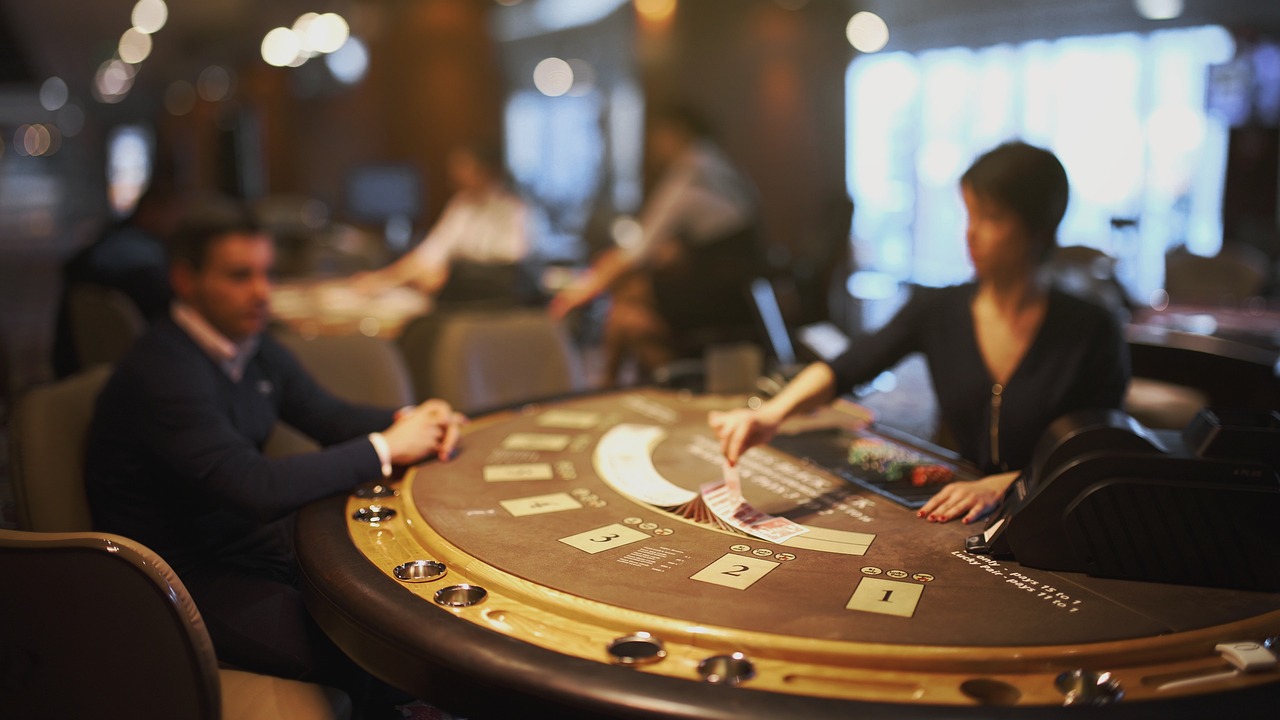
Washington, D.C. could shortly welcome live dealer table games, such as blackjack and poker, as proposed by the mayor of the nation’s capital.

poker blackjack
Image by AidanHowe from Pixabay

Proposed Legislation for Table Games

In her proposed 2026 fiscal year budget, which outlines $11.9 billion in local spending, Mayor Muriel Bowser seeks to expand the city’s gambling offerings to include popular table games like blackjack and poker. Presently, D.C. only hosts a city-run lottery along with various retail and mobile sports betting options.

The motivation behind this proposed expansion arises from economic shifts resulting in a significant reduction of roughly 40,000 federal jobs during the previous administration. Mayor Bowser emphasizes the need for fresh tax revenue streams, reinforced by measures like the Poker and Blackjack Gaming Authorization Act.

Application Process for Table Games

If the D.C. Council approves the legislation, the Office of Lottery and Gaming (OLG) will manage applications for table game privileges. Each business would need to pay an application fee of $5,000, with annual renewals priced at $1,500. Additionally, approved poker and blackjack businesses could incur a fee of $2,000 per year for each extra location.

  • Alcohol-serving establishments will also need a “card gaming endorsement” from the Alcoholic Beverage and Cannabis Administration, costing $500 annually.
  • The statute proposes that the city retain 25% of the revenue from these table games.
  • Operators must provide monthly returns to Glenn Lee, the city’s chief financial officer.

Popularity of Table Games

Blackjack remains one of the most popular table games for American gamblers. While baccarat reigns in international circles, stateside, numerous players also flock to poker, roulette, and craps.

Potential City Sportsbook Expansion

Mayor Bowser’s budget proposal does not include a clear revenue projection for the new gambling games. Yet, with the NFL’s Washington Commanders returning to the city in the coming years, the introduction of blackjack and poker could enhance the attraction of the new stadium at the RFK campus.

Current sportsbooks, such as Nationals Park featuring an on-site BetMGM Sportsbook and Capital One Arena hosting a Caesars Sportsbook, could easily incorporate these new table games into their offerings.

Expanded Gambling, Yet No Full Casinos

City officials are exploring new tax revenues through expanded gambling opportunities without pursuing full-scale casinos. This scenario benefits MGM Resorts, which operates MGM National Harbor with over 2,200 slot machines and 200 table games located just across the Potomac River in Maryland.

Nina Albert, Deputy Mayor for Planning and Economic Development, commented, Washington D.C. has seen robust revenue growth over the past two decades, as our population and business base expands. We must keep exploring growth opportunities, including in sports and entertainment.

When presenting the city council with the budget, Chief Financial Officer Lee stated that the operational margin on the proposed $11.9 billion budget was a mere $500,000, indicating a need for careful management amid fluctuating economic conditions.

Conclusion

With the potential introduction of poker and blackjack tables in Washington D.C., the city’s gambling landscape may soon evolve, creating new attractions for both local residents and visitors alike. If the proposal passes, it could not only boost tax revenues but also enhance the city’s entertainment offerings.