


Tag Archive for: USA Gambling

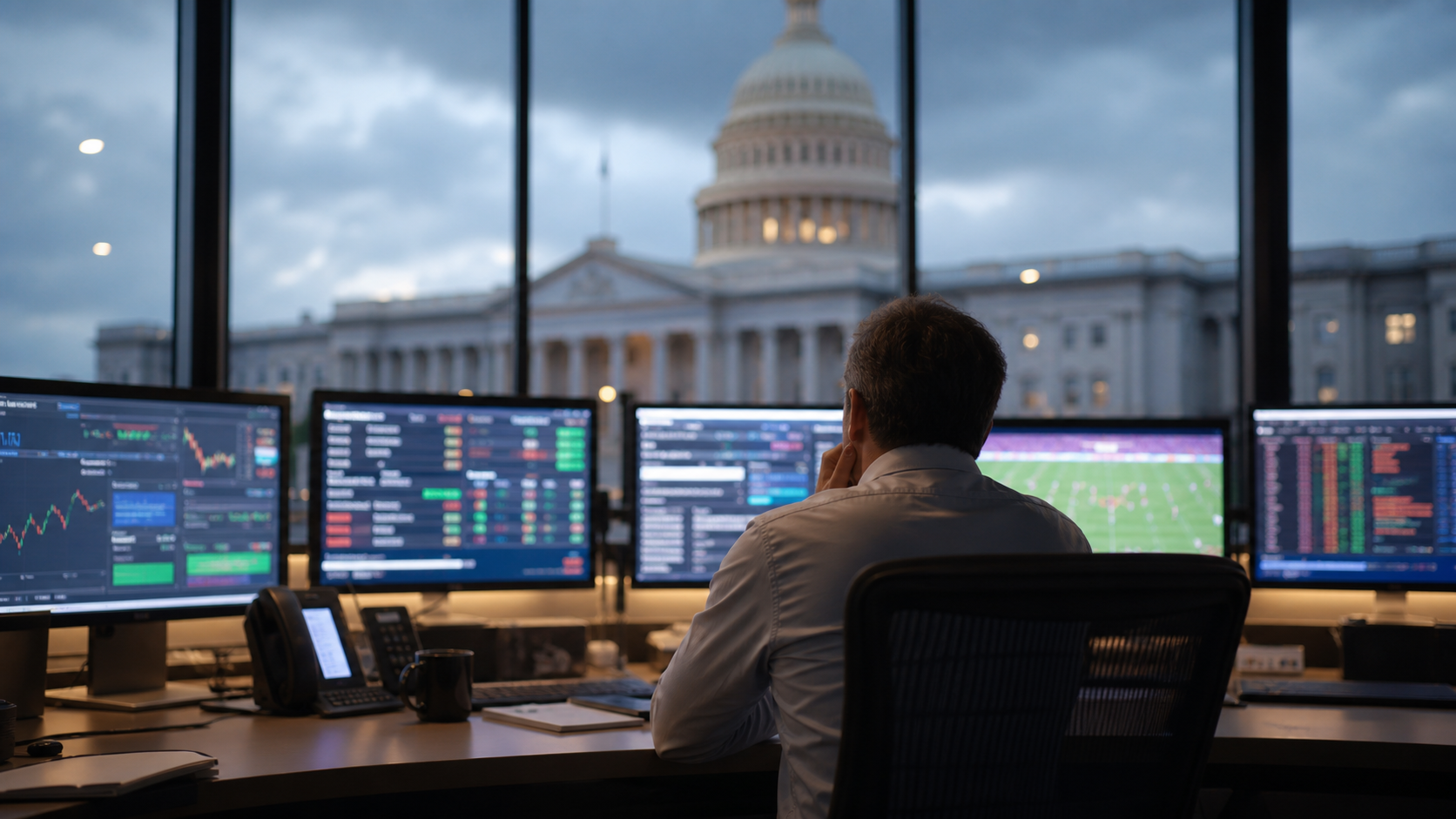
Polymarket combos editorial news image

Polymarket Combos: U.S. Beta Testing Brings Multi-Leg Event Contracts

Polymarket Combos: U.S. Beta Testing Brings Multi-Leg Event Contracts

Polymarket combos is the focus of this U.S. news briefing after Polymarket Testing Parlays, er Combos, Ahead of Football Season reported Polymarket U.S. began beta testing combination bets, also called combos, ahead of the 2026 football season. This article presents the reported facts in original language, adds context for readers, and keeps the original source visible for verification.

What happened

Polymarket U.S. began beta testing combination bets, also called combos, ahead of the 2026 football season. The source was published on 2026-08-18T19:19:27Z. It is important to distinguish a reported event from a forecast, an estimate, a proposal, a promotional statement, or a final legal decision. That distinction is especially useful in casino, sports betting, tribal gaming, and online-gambling coverage, where business plans and regulatory outcomes can change.

Key facts from the report

  • Polymarket calls the combined contracts Combinatorial Athletic Outcome Contracts, or CAOCs.
  • The operator self-certified the product with the Commodity Futures Trading Commission in May.
  • The U.S. platform reportedly allows up to 10 legs in one combo.
  • The source explained that some trades require a request-for-quote response from a market maker.

These details come from the original report and are summarized here rather than copied. Readers should open the source for updates, corrections, linked documents, and the full publication context. The source link is also the best place to confirm whether a date, figure, quote, or status has changed since this briefing was prepared.

Why Polymarket combos matters

Polymarket combos sit between familiar parlay language and the mechanics of event contracts. The label matters less than the contract terms, how each leg resolves, who provides liquidity, and what federal or state rules apply. A beta test is also not the same thing as a final, universally available product.

U.S. gambling markets are shaped by state law, tribal arrangements, licensing, contracts, court decisions, tax rules, labor conditions, technology, and consumer-protection standards. A national headline therefore does not automatically apply to every state or every customer. A company announcement may describe its plans, while an agency, court, union, investor, or community may describe the same development differently. Good reporting keeps those perspectives separate and identifies what is known, what is estimated, and what remains unresolved.

Readers researching this topic may also encounter the related phrases Polymarket parlay testing, combinatorial athletic outcome contracts, prediction market combos. These are natural secondary phrases for search and navigation, not additional facts or promises. Search volume does not establish legality, safety, profitability, or a likely outcome, and this article is not investment, legal, or betting advice.

What operators, regulators, and consumers should watch

Operators will focus on execution, costs, customer response, staffing, technology, and compliance. Regulators and public agencies will focus on jurisdiction, disclosure, licensing, privacy, public safety, and whether affected people can understand the terms. Consumers should verify who is responsible for the product or event, whether it is legal where they are located, what limits apply, and what happens if plans change.

For related reading on this destination site, see Sports Betting VIP Program: FanDuel Response Puts Oversight Under Review, Global Gaming Expo: How G2E Keeps Adapting to U.S. Gaming. These internal links are context only and are not endorsements of any operator, product, promotion, investment, or wager. Authoritative supporting information is available from Commodity Futures Trading Commission and National Council on Problem Gambling.

What comes next

Readers should watch CFTC filings, published contract rules, access restrictions, resolution language, and the differences between prediction-market products and traditional sportsbook wagers. Follow-up coverage may add facts that were unavailable when the source was first published. That is particularly important for legal disputes, regulatory proposals, ownership changes, financial figures, construction schedules, labor negotiations, and technology rollouts. Keep the publication date visible and do not treat an initial report as the final word.

A measured reading also protects consumers from hype. Revenue is not profit, a forecast is not a guarantee, a point balance is not cash, a donation is not a promotion, a financing commitment is not money already drawn, and a rare jackpot is not a typical result.

FAQ

Does this update change gambling rules everywhere in the United States?

No. The effect depends on the jurisdiction, organization, product, and latest official rules. A development in one state or tribal market does not automatically apply nationwide.

What should readers verify before acting on the news?

Check the original source, publication date, relevant regulator or organization, current terms, and whether the information is a proposal, estimate, allegation, scheduled event, or completed action.

How can gambling stay recreational?

Set a budget and time limit before you begin, avoid chasing losses, and never use money needed for essentials. If gambling stops feeling recreational or becomes difficult to control, take a break and seek confidential help from a qualified support service.

Responsible gambling: Gambling involves risk and is not a way to make guaranteed income. Only participate where legal, use money you can afford to lose, set limits in advance, avoid chasing losses, and seek qualified support if gambling affects your finances, relationships, or wellbeing.

Original source: Polymarket Testing Parlays, er Combos, Ahead of Football Season from Casino.org News. Authoritative supporting links: Commodity Futures Trading Commission and National Council on Problem Gambling.


sports betting VIP program editorial news image

Sports Betting VIP Program: FanDuel Response Puts Oversight Under Review

Sports Betting VIP Program: FanDuel Response Puts Oversight Under Review

sports betting VIP program is in focus for U.S. readers after FanDuel Defends VIP Program reported FanDuel defended its responsible-gaming practices after lawmakers questioned a VIP bettor’s personalized message and reported gambling problems. This original briefing keeps the source visible, separates reported facts from analysis, and avoids treating a headline as a promise, legal conclusion, or betting recommendation.

What happened

FanDuel defended its responsible-gaming practices after lawmakers questioned a VIP bettor’s personalized message and reported gambling problems. The source was published on 2026-08-17T09:27:23-05:00. The development sits inside a U.S. market where casino resorts, tribal governments, suppliers, regulators, public agencies, entertainment venues, and consumers can be affected by the same announcement in different ways.

Key facts from the report

  • The report said the bettor had a $1.5 million gambling problem.
  • FanDuel highlighted spending limits, timeouts, self-exclusion tools, and other responsible-gaming technology.
  • The company said VIP customers receive additional oversight while its program offers account managers and other perks to high-volume bettors.
  • The report did not present a VIP program as evidence that gambling is safe or affordable for every customer.

The original report provides the detail and publication context for these points. Readers should open it for the full wording, updates, corrections, and any documents linked by the source. This article summarizes the development in original language rather than reproducing the source.

Why sports betting VIP program matters

A sports betting VIP program creates a difficult consumer-protection question: enhanced monitoring and personalized service can exist alongside incentives aimed at high-volume play. Responsible gambling tools matter, but their existence does not remove the need for careful policies, intervention, and accountability.

One reason to read this story carefully is that U.S. gambling is not governed by a single nationwide playbook. State laws, tribal arrangements, licensing, court orders, tax treatment, business contracts, and consumer-protection rules can all change what a development means in practice. A company announcement, an analyst view, an allegation, a scheduled event, and a completed action are different kinds of information.

Natural secondary phrases for readers exploring this topic include sportsbook VIP customers, responsible sports betting, sports betting spending limits. They are related search language, not additional claims. Search demand does not establish legality, profitability, safety, or the likelihood of a particular outcome. Those questions need current official information and, where appropriate, professional advice.

What operators, regulators, and consumers should watch

Operators will likely focus on execution, costs, customer response, compliance, staffing, technology, and the effect on the wider property or market. Regulators and public agencies will focus on jurisdiction, evidence, disclosure, licensing, privacy, public safety, and whether the people affected can understand the terms. Consumers should verify who is responsible for a product or service, whether it is legal where they are located, what limits apply, and what happens if plans change.

For related destination-site context, readers can review FanDuel gambling addiction case shows the human cost of online betting, How the FanDuel and MLBPA NIL Rights Settlement Impacts Sports Betting | 10BET, Gambling fraud allegations put a $32M executive scheme under scrutiny. These internal links are included as related reading, not endorsements of an operator, product, investment, promotion, or wager. Authoritative supporting information is available from National Council on Problem Gambling and American Gaming Association.

What comes next

Readers should follow congressional correspondence, regulator responses, published VIP terms, and the availability of limits, timeouts, and self-exclusion in their own jurisdiction. Follow-up reporting may add facts that were unavailable when the source article was first published. That is especially important for legal disputes, regulatory proposals, ownership changes, financial figures, construction schedules, technology partnerships, market data, and tax estimates. Keep the publication date visible and do not treat an initial report as the final word.

A measured reading also protects consumers from hype. Revenue is not profit, a forecast is not a guarantee, a price is not a probability, an allegation is not a judgment, a donation is not a promotion, and a headline figure is not necessarily the amount received. Those distinctions help readers make better decisions even when the news is exciting.

FAQ

Does this update change gambling rules everywhere in the United States?

No. The effect depends on the jurisdiction, the organization involved, the product or activity described, and the latest official rules. A development in Virginia, Washington, Kansas, or another market does not automatically apply nationwide.

What should readers verify before acting on the news?

Check the original source, the publication date, the relevant regulator or organization, current terms, and whether the information is a proposal, opinion, estimate, allegation, scheduled event, or completed action.

How can gambling stay recreational?

Set a budget and time limit before you begin, avoid chasing losses, and take a break if gambling stops feeling enjoyable. Do not borrow money or use funds intended for essentials. If gambling becomes difficult to control, seek confidential help from a qualified support service.

Responsible gambling: Gambling involves risk and is not a way to make guaranteed income. Only participate where legal, use money you can afford to lose, set limits in advance, avoid chasing losses, and seek qualified support if gambling affects your finances, relationships, or wellbeing.

Original source: FanDuel Defends VIP Program from Casino.org News. Authoritative supporting links: National Council on Problem Gambling and American Gaming Association.

Global Gaming Expo editorial news image

Global Gaming Expo: How G2E Keeps Adapting to U.S. Gaming

Global Gaming Expo: How G2E Keeps Adapting to U.S. Gaming

Global Gaming Expo is in focus for U.S. readers after Focus on G2E: The Global Gaming Expo has “something for everyone,” says G2E Event VP – CDC Gaming reported a development connected to a CDC Gaming interview about how G2E has adapted alongside the gaming industry. This original briefing keeps the source visible, separates reported facts from analysis, and avoids treating a headline as a promise, legal conclusion, or betting recommendation.

What happened

a CDC Gaming interview about how G2E has adapted alongside the gaming industry. The source was published on 2026-08-14T08:00:29-04:00. Its subject sits inside a U.S. market where casino resorts, tribal governments, suppliers, regulators, entertainment venues, and consumers can be affected by the same announcement in different ways.

Key facts from the report

  • The 2026 Global Gaming Expo was scheduled for September 28 through October 1 at the Venetian Expo Center in Las Vegas.
  • The report said the show has evolved as new forms of gaming, electronic games, and legalized sports betting changed operator interests.
  • G2E combines product discovery with networking, learning, and industry-community activities.
  • The event includes spaces and groups intended to help different parts of the gaming workforce connect.

The original report provides the detail and publication context for these points. Readers should open it for the full wording, updates, corrections, and any documents linked by the source. This article summarizes the development in original language rather than reproducing the source.

Why Global Gaming Expo matters

A large industry expo is a useful barometer because it brings operators, suppliers, regulators, media, and professional communities into the same place. The most relevant changes are often found in the conversations around products, compliance, data, and customer experience.

One reason to read this story carefully is that U.S. gambling is not governed by a single nationwide playbook. State laws, tribal arrangements, licensing, court orders, tax treatment, business contracts, and consumer-protection rules can all change what a development means in practice. A company announcement, an analyst view, an allegation, a scheduled event, and a completed action are different kinds of information.

Natural secondary phrases for readers exploring this topic include G2E Las Vegas, gaming industry conference, casino technology expo. They are related search language, not additional claims. Search demand does not establish legality, profitability, safety, or the likelihood of a particular outcome. Those questions need current official information and, where appropriate, professional advice.

What operators, regulators, and consumers should watch

Operators will likely focus on execution, costs, customer response, compliance, staffing, technology, and the effect on the wider property or market. Regulators and public agencies will focus on jurisdiction, evidence, disclosure, licensing, privacy, public safety, and whether the people affected can understand the terms. Consumers should verify who is responsible for a product or service, whether it is legal where they are located, what limits apply, and what happens if plans change.

For related destination-site context, readers can review The Impact of Alabamas Gaming Expansion: How the Birmingham Racecourse Purchase Could Transform Tribal Casinos, Cashless casino gaming enters a cautious Las Vegas field trial, Casino Security Concerns: How an Assault at Hollywood Casino Exposes Major Security Flaws. These internal links are included as related reading, not endorsements of an operator, product, investment, promotion, or wager. Authoritative supporting information is available from Global Gaming Expo and American Gaming Association.

What comes next

Attendees will be watching which technologies attract attention, how suppliers describe responsible growth, and whether the event’s programming reflects the issues facing U.S. markets. Follow-up reporting may add facts that were unavailable when the source article was first published. That is especially important for acquisitions, legal disputes, event schedules, security certifications, financial figures, health-related cancellations, and tax estimates. Keep the publication date visible and do not treat an initial report as the final word.

A measured reading also protects consumers from hype. Revenue is not profit, a forecast is not a guarantee, a price is not a probability, an allegation is not a judgment, a donation is not a promotion, and a headline prize is not necessarily the amount received. Those distinctions help readers make better decisions even when the news is exciting.

FAQ

Does this update change gambling rules everywhere in the United States?

No. The effect depends on the jurisdiction, the organization involved, the product or activity described, and the latest official rules. A development in Nevada, Illinois, Oklahoma, or another market does not automatically apply nationwide.

What should readers verify before acting on the news?

Check the original source, the publication date, the relevant regulator or organization, current terms, and whether the information is a proposal, opinion, estimate, allegation, scheduled event, or completed action.

How can gambling stay recreational?

Set a budget and time limit before you begin, avoid chasing losses, and take a break if gambling stops feeling enjoyable. Do not borrow money or use funds intended for essentials. If gambling becomes difficult to control, seek confidential help from a qualified support service.

Responsible gambling: Gambling involves risk and is not a way to make guaranteed income. Only participate where legal, use money you can afford to lose, set limits in advance, avoid chasing losses, and seek qualified support if gambling affects your finances, relationships, or wellbeing.

Original source: Focus on G2E: The Global Gaming Expo has “something for everyone,” says G2E Event VP – CDC Gaming from CDC Gaming Reports. Authoritative supporting links: Global Gaming Expo and American Gaming Association.

gambling fraud editorial news image

Gambling fraud allegations put a $32M executive scheme under scrutiny

Gambling fraud allegations put a $32M executive scheme under scrutiny

gambling fraud is in focus for U.S. readers after Taylor Farms Exec Allegedly Stole $32M to Feed Gambling Habit reported a development involving the difference between allegations, civil claims, criminal investigations, and the personal harm created when gambling debt is hidden. This article keeps the original source visible and separates reported facts from context, forecasts, and responsible-gambling guidance.

What happened

Taylor Farms sued former regional president Brian Thure, alleging that he conspired with a vendor to embezzle $32 million for gambling and personal expenses. The report said an unsealed federal criminal probe was also ongoing. The source was published on 2026-08-12T08:37:08-05:00 and provides the starting point for this original briefing. The details matter because a headline about casinos, wagering, finance, or tribal communities can be misunderstood when a proposal is treated as a final rule or an allegation is treated as a proven conclusion.

Key facts from the report

  • The civil complaint was reported alongside a separate Cyclospora outbreak and recall crisis affecting Taylor Farms products.
  • The company alleged that payments were routed through a vendor and used for gambling, personal purchases, and other expenses.
  • The allegations remain claims in litigation; the source reported that Thure resigned and allegedly confessed to the company’s CEO.

The civil complaint was reported alongside a separate Cyclospora outbreak and recall crisis affecting Taylor Farms products.

The company alleged that payments were routed through a vendor and used for gambling, personal purchases, and other expenses.

The allegations remain claims in litigation; the source reported that Thure resigned and allegedly confessed to the company’s CEO.

Check the original report for wording, updates, and corrections. This article does not reproduce the source; it summarizes the news and adds practical U.S. context for readers following casino business, gambling regulation, sports betting, prediction markets, or community issues.

Why gambling fraud matters

The immediate lesson is that the U.S. gambling market is not one national system. State laws, tribal arrangements, licensing conditions, court orders, tax structures, and consumer-protection requirements can change the meaning of the same product or business decision. That is why gambling fraud should be read alongside the jurisdiction, the named operator or organization, and the authority responsible for the next step.

There is also a commercial and public-interest dimension. Operators have to balance growth with compliance, staffing, technology, marketing, hospitality, and customer support. Regulators focus on legality, disclosure, enforcement, and harm reduction. Community and tribal organizations may also be weighing economic development, cultural priorities, health, and governance. A credible news summary should keep those interests distinct rather than promising a single outcome.

Natural secondary phrases connected to this topic include executive gambling scheme, embezzlement allegations, gambling debt warning signs. They describe related search language, not separate facts. Readers should not use a keyword or a market headline as a substitute for official terms, court documents, financial filings, or direct support from a qualified service.

What operators, regulators, and consumers should watch

Operators will likely watch execution, cost, customer response, and whether the reported development fits the rules in each location. Regulators and public agencies will look at implementation, evidence, public safety, taxes, licensing, and whether customers can understand the product. Consumers should check whether an offer or service is legal where they are located, who is responsible for it, and what limits, settlement language, eligibility rules, or privacy conditions apply.

For related destination-site context, readers can review Prediction market regulation comes under NYC consumer-protection probe, FanDuel gambling addiction case shows the human cost of online betting, The Demolition of Dennis Hofs Love Ranch: A Final Chapter in the World of Las Vegas Gambling. These internal links are included as related reading, not endorsements of an operator, product, investment, or wager. Authoritative supporting information is available from U.S. Department of Justice.

What comes next

court filings and federal investigators will determine which allegations are substantiated and what remedies or charges follow. Follow-up reporting may add facts that were unavailable when the source article was first published. That is especially important for legal disputes, financial results, new technology, event contracts, promotions, investigations, and leadership announcements. Readers should keep the publication date visible and avoid treating an initial report as the final word.

A measured reading also protects consumers from hype. Revenue is not profit, a price is not a guaranteed probability, an allegation is not a judgment, and a promotion is not free money unless its current terms clearly say what is offered. Keeping those distinctions clear is useful whether the reader is interested in a casino resort, a sportsbook, a poker tournament, or a tribal community event.

FAQ

Does this U.S. update change gambling rules everywhere?

No. The effect depends on state law, tribal governance, licensing, court orders, and the exact product or activity described. A development in one jurisdiction does not automatically apply nationwide.

What should readers verify before acting on the news?

Check the original source, the date, the relevant regulator or organization, the final terms, and whether the information is a proposal, allegation, forecast, or completed action.

How can gambling stay recreational?

Set a budget and time limit before you begin, avoid chasing losses, and take a break if gambling stops feeling enjoyable. Do not borrow money or use funds intended for essentials. If gambling is becoming difficult to control, seek confidential help from a qualified support service.

Responsible gambling: Gambling involves risk and is not a way to make guaranteed income. Only participate where legal, use money you can afford to lose, set limits in advance, avoid chasing losses, and seek qualified support if gambling affects your finances, relationships, or wellbeing.

Original source: Taylor Farms Exec Allegedly Stole $32M to Feed Gambling Habit from Casino.org News. Authoritative supporting link: U.S. Department of Justice.

Monarch Casino class action editorial illustration

Monarch Casino class action alleges dealer pay and tip-credit violations

Monarch Casino class action alleges dealer pay and tip-credit violations

Monarch Casino class action is back in focus for US gambling readers after Monarch Casino Black Hawk Hit with Class Action Over Dealer Pay and Tip Credit highlighted a development published on 2026-08-04. The underlying facts are specific to this story, but the broader market question is familiar: how should operators, regulators, investors, and everyday customers interpret change in a market where casino economics, wagering policy, technology, and consumer protection all move at different speeds?

What happened

Casino.org reported that former dealer Ryan Hyde filed a proposed class action involving Monarch Casino Resort Spa Black Hawk in Colorado. The key-point summary says the complaint alleges improper use of the tip credit, tip sharing with supervisors, unpaid pre-shift work, and underpaid sick-leave and vacation benefits. The proposed case seeks back wages, overtime, penalties, liquidated damages, interest, and relief for proposed nationwide and Colorado classes. These are allegations, not findings by a court.

  • Casino.org reported that former dealer Ryan Hyde filed a proposed class action involving Monarch Casino Resort Spa Black Hawk in Colorado. The key-point summary says the complaint alleges improper use of the tip credit, tip sharing with supervisors, unpaid pre-shift work, and underpaid sick-leave and vacation benefits. The proposed case seeks back wages, overtime, penalties, liquidated damages, interest, and relief for proposed nationwide and Colorado classes. These are allegations, not findings by a court.

The original report matters because it gives a dated source trail instead of rumor alone. In this case, the clearest takeaway is not simply the headline number or the headline conflict. It is the way the update fits into the current US casino and wagering landscape, where state-by-state rules, operator strategy, and consumer expectations can push the same type of news in very different directions.

Why Monarch Casino class action matters now

A Monarch Casino class action illustrates how casino operations, labor law, wage practices, and employment documentation can create legal exposure. That makes Monarch Casino class action a useful lens for readers tracking Monarch Casino Black Hawk, casino dealer tip credit, Colorado casino labor lawsuit. A single earnings update, regulatory move, or partnership discussion rarely changes the whole industry by itself, but it can reveal where capital, enforcement, and customer attention are heading next.

It also helps to keep the timeline straight. This source story is a July 2026 development, not a historical case study. That means readers should distinguish confirmed facts from follow-on speculation, especially where legislation, partnerships, or future revenue implications are concerned. In a fast-moving market, precision matters more than hype.

What operators, regulators, and consumers should watch

Operators will read this kind of news through margins, product mix, and long-term positioning. Regulators will focus on legality, disclosure, compliance, consumer harm, and whether the public record is clear enough to support oversight. Consumers should read it more practically: what product is actually being offered, which authority is relevant, what limits or rules apply, and whether the story changes the real-world experience of gambling customers today.

Those practical questions become clearer when readers compare the original report with supporting material such as Monarch Casino Black Hawk Hit with Class Action Over Dealer Pay and Tip Credit, United States Courts, US Department of Labor. On the destination site, related coverage including California lottery winnings dispute raises questions about prize claims, New York Mets prediction market deal brings Novig into MLB partnership, The Demolition of Dennis Hofs Love Ranch: A Final Chapter in the World of Las Vegas Gambling adds context about how the same themes have appeared in other casino and betting stories. Those links are for context, not endorsement, and they help show how this one development connects to wider US gambling coverage.

What comes next

Readers should follow court filings and responses from the parties, and should not treat a complaint’s allegations as an established violation or a prediction of the case’s outcome. For that reason, the most responsible interpretation is a measured one. Readers should expect more reporting, follow the relevant regulator or operator, and avoid treating an initial report as the final word when legal status, implementation, or commercial impact may still evolve.

That is especially true in casino and betting coverage because the stakes extend beyond revenue headlines. Product access, state legality, tax collections, responsible-gambling systems, and public trust all matter. A strong article keeps the original source visible, adds authoritative context, and avoids inventing claims that the source did not actually make.

FAQ

Does this update change gambling rules everywhere in the United States?

No. Casino and betting rules remain heavily shaped by state law, tribal compacts, licensing conditions, and regulator guidance. A development in one jurisdiction or company does not automatically apply nationwide.

What should readers verify before acting on this kind of news?

Check the original source, confirm the date, identify the relevant regulator or operator, and review any official terms or legislative text before treating the story as settled.

How can gambling stay recreational?

Set a budget before you play, avoid chasing losses, take breaks, and treat gambling as entertainment rather than income. If it stops feeling manageable, reach out to a qualified support service.

Responsible gambling: Gambling involves risk and is not a guaranteed way to make money. Only play where legal, use funds you can afford to lose, and seek help if gambling is affecting your finances, relationships, or wellbeing.

Original source: Monarch Casino Black Hawk Hit with Class Action Over Dealer Pay and Tip Credit. Authoritative supporting links: Monarch Casino Black Hawk Hit with Class Action Over Dealer Pay and Tip Credit, United States Courts, US Department of Labor.

Atlantic City casinos editorial illustration

Atlantic City casinos face revived hotel-price antitrust lawsuit

Atlantic City casinos face revived hotel-price antitrust lawsuit

Atlantic City casinos is back in focus for US gambling readers after Did Atlantic City Casinos Secretly Team Up to Raise Hotel Prices? Court Revives Lawsuit highlighted a development published on 2026-07-29. The underlying facts are specific to this story, but the broader market question is familiar: how should operators, regulators, investors, and everyday customers interpret change in a market where casino economics, wagering policy, technology, and consumer protection all move at different speeds?

What happened

Casino.org reported that the Third Circuit revived an antitrust lawsuit accusing five Atlantic City casinos of using shared revenue-management software to coordinate hotel room prices.

  • A three-judge Third Circuit panel overturned a lower-court dismissal.
  • The plaintiffs seek access to Cendyn Rainmaker data during discovery.
  • The case returns to federal court in New Jersey.
  • The report described allegations and procedural rulings, not a final finding that the casinos violated antitrust law.

The original report matters because it gives a dated source trail instead of rumor alone. In this case, the clearest takeaway is not simply the headline number or the headline conflict. It is the way the update fits into the current US casino and wagering landscape, where state-by-state rules, operator strategy, and consumer expectations can push the same type of news in very different directions.

Why Atlantic City casinos matters now

Atlantic City casinos show how hotel pricing, software vendors, discovery evidence, and competition law can intersect outside the casino floor. That makes Atlantic City casinos a useful lens for readers tracking Atlantic City casino lawsuit, casino hotel pricing, Cendyn Rainmaker lawsuit. A single earnings update, regulatory move, or partnership discussion rarely changes the whole industry by itself, but it can reveal where capital, enforcement, and customer attention are heading next.

It also helps to keep the timeline straight. This source story is a July 2026 development, not a historical case study. That means readers should distinguish confirmed facts from follow-on speculation, especially where legislation, partnerships, or future revenue implications are concerned. In a fast-moving market, precision matters more than hype.

What operators, regulators, and consumers should watch

Operators will read this kind of news through margins, product mix, and long-term positioning. Regulators will focus on legality, disclosure, compliance, consumer harm, and whether the public record is clear enough to support oversight. Consumers should read it more practically: what product is actually being offered, which authority is relevant, what limits or rules apply, and whether the story changes the real-world experience of gambling customers today.

Those practical questions become clearer when readers compare the original report with supporting material such as Did Atlantic City Casinos Secretly Team Up to Raise Hotel Prices? Court Revives Lawsuit, United States Court of Appeals for the Third Circuit, New Jersey Division of Gaming Enforcement. On the destination site, related coverage including Cashless casino gaming enters a cautious Las Vegas field trial, Las Vegas Gambling: Recent Crime Reports and Disturbing Incidents, Novig prediction markets move toward nationwide sports contracts adds context about how the same themes have appeared in other casino and betting stories. Those links are for context, not endorsement, and they help show how this one development connects to wider US gambling coverage.

What comes next

follow the New Jersey federal docket and distinguish discovery decisions from any eventual ruling on liability or damages. For that reason, the most responsible interpretation is a measured one. Readers should expect more reporting, follow the relevant regulator or operator, and avoid treating an initial report as the final word when legal status, implementation, or commercial impact may still evolve.

That is especially true in casino and betting coverage because the stakes extend beyond revenue headlines. Product access, state legality, tax collections, responsible-gambling systems, and public trust all matter. A strong article keeps the original source visible, adds authoritative context, and avoids inventing claims that the source did not actually make.

FAQ

Does this update change gambling rules everywhere in the United States?

No. Casino and betting rules remain heavily shaped by state law, tribal compacts, licensing conditions, and regulator guidance. A development in one jurisdiction or company does not automatically apply nationwide.

What should readers verify before acting on this kind of news?

Check the original source, confirm the date, identify the relevant regulator or operator, and review any official terms or legislative text before treating the story as settled.

How can gambling stay recreational?

Set a budget before you play, avoid chasing losses, take breaks, and treat gambling as entertainment rather than income. If it stops feeling manageable, reach out to a qualified support service.

Responsible gambling: Gambling involves risk and is not a guaranteed way to make money. Only play where legal, use funds you can afford to lose, and seek help if gambling is affecting your finances, relationships, or wellbeing.

Original source: Did Atlantic City Casinos Secretly Team Up to Raise Hotel Prices? Court Revives Lawsuit. Authoritative supporting links: Did Atlantic City Casinos Secretly Team Up to Raise Hotel Prices? Court Revives Lawsuit, United States Court of Appeals for the Third Circuit, New Jersey Division of Gaming Enforcement.

cashless casino gaming editorial illustration

Cashless casino gaming enters a cautious Las Vegas field trial

Cashless casino gaming enters a cautious Las Vegas field trial

cashless casino gaming is back in focus for US gambling readers after Station Casinos Testing Cashless Slot Play in Vegas highlighted a development published on 2026-07-28. The underlying facts are specific to this story, but the broader market question is familiar: how should operators, regulators, investors, and everyday customers interpret change in a market where casino economics, wagering policy, technology, and consumer protection all move at different speeds?

What happened

Casino.org reported that Station Casinos is field-testing TrustedTap, a direct-to-machine Apple Pay funding system, at selected Las Vegas properties. The trial is presented as a way to reduce the need for cash, kiosks, or a separate casino loyalty account.

  • The reported trial is taking place at Durango casino bars, Seventy Six taverns, and Wildfire Anthem.
  • The system is described as an Apple Pay funding method that connects directly to a machine.
  • The technology was developed by Adostics, a privately held Las Vegas company, according to the source.
  • The article said the industry is moving toward hybrid payment models because adoption can be slowed by friction and player preferences.

The original report matters because it gives a dated source trail instead of rumor alone. In this case, the clearest takeaway is not simply the headline number or the headline conflict. It is the way the update fits into the current US casino and wagering landscape, where state-by-state rules, operator strategy, and consumer expectations can push the same type of news in very different directions.

Why cashless casino gaming matters now

cashless casino gaming raises practical questions about convenience, identity checks, spending visibility, payment security, and responsible-play controls. That makes cashless casino gaming a useful lens for readers tracking cashless casino, cashless slot machines, casino payment technology. A single earnings update, regulatory move, or partnership discussion rarely changes the whole industry by itself, but it can reveal where capital, enforcement, and customer attention are heading next.

It also helps to keep the timeline straight. This source story is a July 2026 development, not a historical case study. That means readers should distinguish confirmed facts from follow-on speculation, especially where legislation, partnerships, or future revenue implications are concerned. In a fast-moving market, precision matters more than hype.

What operators, regulators, and consumers should watch

Operators will read this kind of news through margins, product mix, and long-term positioning. Regulators will focus on legality, disclosure, compliance, consumer harm, and whether the public record is clear enough to support oversight. Consumers should read it more practically: what product is actually being offered, which authority is relevant, what limits or rules apply, and whether the story changes the real-world experience of gambling customers today.

Those practical questions become clearer when readers compare the original report with supporting material such as Station Casinos Testing Cashless Slot Play in Vegas, Nevada Gaming Control Board, American Gaming Association. On the destination site, related coverage including Las Vegas Gambling: Recent Crime Reports and Disturbing Incidents, Novig prediction markets move toward nationwide sports contracts, DraftKings prediction markets spending draws fresh analyst scrutiny before earnings adds context about how the same themes have appeared in other casino and betting stories. Those links are for context, not endorsement, and they help show how this one development connects to wider US gambling coverage.

What comes next

watch whether the trial expands and how casinos explain limits, receipts, account controls, and alternatives for guests who prefer cash. For that reason, the most responsible interpretation is a measured one. Readers should expect more reporting, follow the relevant regulator or operator, and avoid treating an initial report as the final word when legal status, implementation, or commercial impact may still evolve.

That is especially true in casino and betting coverage because the stakes extend beyond revenue headlines. Product access, state legality, tax collections, responsible-gambling systems, and public trust all matter. A strong article keeps the original source visible, adds authoritative context, and avoids inventing claims that the source did not actually make.

FAQ

Does this update change gambling rules everywhere in the United States?

No. Casino and betting rules remain heavily shaped by state law, tribal compacts, licensing conditions, and regulator guidance. A development in one jurisdiction or company does not automatically apply nationwide.

What should readers verify before acting on this kind of news?

Check the original source, confirm the date, identify the relevant regulator or operator, and review any official terms or legislative text before treating the story as settled.

How can gambling stay recreational?

Set a budget before you play, avoid chasing losses, take breaks, and treat gambling as entertainment rather than income. If it stops feeling manageable, reach out to a qualified support service.

Responsible gambling: Gambling involves risk and is not a guaranteed way to make money. Only play where legal, use funds you can afford to lose, and seek help if gambling is affecting your finances, relationships, or wellbeing.

Original source: Station Casinos Testing Cashless Slot Play in Vegas. Authoritative supporting links: Station Casinos Testing Cashless Slot Play in Vegas, Nevada Gaming Control Board, American Gaming Association.

Novig prediction markets editorial illustration

Novig prediction markets move toward nationwide sports contracts

Novig prediction markets move toward nationwide sports contracts

Novig prediction markets is back in focus for US gambling readers after Novig Files With CFTC to Offer Scores of Sports Event Contracts highlighted a development published on 2026-07-24. The underlying facts are specific to this story, but the broader market question is familiar: how should operators, regulators, investors, and everyday customers interpret change in a market where casino economics, wagering policy, technology, and consumer protection all move at different speeds?

What happened

Casino.org News reported that Novig filed plans with the Commodity Futures Trading Commission for a range of sports event contracts. The story said Novig’s Ludlow Exchange had received Designated Contract Market status and that the platform was available in 42 states at the time of reporting.

  • The source said Novig filed sports contracts covering areas including golf, baseball, NFL, tennis, UFC, and WNBA events.
  • It reported that Ludlow Exchange received Designated Contract Market status from the CFTC in June.
  • The article said the platform was available in 42 states when the story was published.

The original report matters because it gives a dated source trail instead of rumor alone. In this case, the clearest takeaway is not simply the headline number or the headline conflict. It is the way the update fits into the current US casino and wagering landscape, where state-by-state rules, operator strategy, and consumer expectations can push the same type of news in very different directions.

Why Novig prediction markets matters now

Novig prediction markets illustrate how exchange-style sports products are moving closer to the mainstream sportsbook conversation. The filings are a regulatory step, not proof that every contract is live everywhere, and state access can still depend on legal challenges, product design, and geolocation.. That makes Novig prediction markets a useful lens for readers tracking sports event contracts, CFTC designated contract market, NFL prediction markets. A single earnings update, regulatory move, or partnership discussion rarely changes the whole industry by itself, but it can reveal where capital, enforcement, and customer attention are heading next.

It also helps to keep the timeline straight. This source story is a July 2026 development, not a historical case study. That means readers should distinguish confirmed facts from follow-on speculation, especially where legislation, partnerships, or future revenue implications are concerned. In a fast-moving market, precision matters more than hype.

What operators, regulators, and consumers should watch

Operators will read this kind of news through margins, product mix, and long-term positioning. Regulators will focus on legality, disclosure, compliance, consumer harm, and whether the public record is clear enough to support oversight. Consumers should read it more practically: what product is actually being offered, which authority is relevant, what limits or rules apply, and whether the story changes the real-world experience of gambling customers today.

Those practical questions become clearer when readers compare the original report with supporting material such as Novig Files With CFTC to Offer Scores of Sports Event Contracts, Commodity Futures Trading Commission. On the destination site, related coverage including DraftKings prediction markets spending draws fresh analyst scrutiny before earnings, Casino Security Concerns: How an Assault at Hollywood Casino Exposes Major Security Flaws, In-game sports betting report calls for Pennsylvania limits to address addiction risk adds context about how the same themes have appeared in other casino and betting stories. Those links are for context, not endorsement, and they help show how this one development connects to wider US gambling coverage.

What comes next

Check CFTC filings, Novig’s product terms, and state-specific availability before treating a contract as accessible. Consumers should understand contract mechanics and risk rather than assuming an event contract works like a conventional wager.. For that reason, the most responsible interpretation is a measured one. Readers should expect more reporting, follow the relevant regulator or operator, and avoid treating an initial report as the final word when legal status, implementation, or commercial impact may still evolve.

That is especially true in casino and betting coverage because the stakes extend beyond revenue headlines. Product access, state legality, tax collections, responsible-gambling systems, and public trust all matter. A strong article keeps the original source visible, adds authoritative context, and avoids inventing claims that the source did not actually make.

FAQ

Does this update change gambling rules everywhere in the United States?

No. Casino and betting rules remain heavily shaped by state law, tribal compacts, licensing conditions, and regulator guidance. A development in one jurisdiction or company does not automatically apply nationwide.

What should readers verify before acting on this kind of news?

Check the original source, confirm the date, identify the relevant regulator or operator, and review any official terms or legislative text before treating the story as settled.

How can gambling stay recreational?

Set a budget before you play, avoid chasing losses, take breaks, and treat gambling as entertainment rather than income. If it stops feeling manageable, reach out to a qualified support service.

Responsible gambling: Gambling involves risk and is not a guaranteed way to make money. Only play where legal, use funds you can afford to lose, and seek help if gambling is affecting your finances, relationships, or wellbeing.

Original source: Novig Files With CFTC to Offer Scores of Sports Event Contracts. Authoritative supporting links: Novig Files With CFTC to Offer Scores of Sports Event Contracts, Commodity Futures Trading Commission.

DraftKings prediction markets spending draws fresh analyst scrutiny before earnings

DraftKings prediction markets spending draws fresh analyst scrutiny before earnings

DraftKings prediction markets is back in focus after DraftKings Price Target, Q2 Estimates Pared by Morgan Stanley on Prediction Market Spending reported the latest development on 2026-07-24. For US casino and betting readers, the immediate headline matters, but the bigger issue is how investor pressure around prediction-market expansion costs could influence operators, regulators, and customers over the next few months.

Key details behind the DraftKings prediction markets update

Analyst concern over how much DraftKings is spending on prediction-market customer acquisition has added a new investor angle ahead of the company’s next earnings report.

Morgan Stanley cut its DraftKings price target from $39 to $36 and lowered second-quarter EBITDA expectations to $150 million.

The revised view explicitly cited prediction-market acquisition spending as part of the reason for weaker near-term expectations.

DraftKings is scheduled to report June-quarter results on Aug. 6, making the cost-versus-growth debate especially timely.

Those details are important because they show this is not just a passing headline. It sits inside a broader US conversation about market access, compliance, product design, consumer transparency, and whether gambling-related activity is being supervised by the right authority in the right state.

Why DraftKings prediction markets matters for US readers

From a market perspective, the story touches several themes at once: DraftKings EBITDA, prediction market spending, sportsbook investor outlook. Each of those themes affects how operators plan growth, how investors judge risk, and how regulators explain the difference between licensed gambling, financial-style contracts, and emerging digital betting products.

It also matters at consumer level. Readers often see a headline and assume the same rules apply nationwide, but that is rarely true in American gambling. A company, betting product, or event contract that looks available in one jurisdiction may be challenged or restricted in another. That is why updates like this are most useful when read alongside official guidance and local rules rather than as standalone trend pieces.

Businesses are dealing with the same uncertainty. Operators want to grow revenue, defend market share, and keep customers engaged, but they also need to manage compliance costs, licensing risk, technology changes, investor expectations, and the reputational cost of pushing too far into gray areas. That tension explains why seemingly narrow stories often turn into wider industry debates.

What customers and operators should watch next

The next phase will likely center on follow-through rather than headlines alone. Readers should watch for formal filings, enforcement updates, public comments from regulators, implementation deadlines, company disclosures, and any changes to how products are described or offered. Those are the signals that show whether a situation is tightening, stabilizing, or moving toward broader adoption.

Customers should also keep practical questions in mind. Is the product legal where you live? Are the rules written clearly? Does the operator or platform explain settlement, eligibility, limits, and dispute handling in plain language? If an offer depends on fast action or complex terms, that is usually a sign to slow down and review the details first.

For additional context, readers can compare this report with Casino Security Concerns: How an Assault at Hollywood Casino Exposes Major Security Flaws, In-game sports betting report calls for Pennsylvania limits to address addiction risk, Video Poker Players Warned: Slot Parlor Sued for Misleading ‘Safe’ Marketing Following Violent Incident and check the supporting source at DraftKings Investor Relations. Those resources are included for verification and context, not as endorsements.

Responsible gambling: Gambling involves risk and should not be treated as a way to guarantee income. Only play where legal, set firm time and spending limits, and seek qualified help if gambling begins to affect your finances, relationships, or wellbeing.

FAQ

Why is DraftKings prediction markets getting attention now?

The topic is getting attention because the latest source report tied it to a concrete business, regulatory, or enforcement development instead of a purely theoretical debate. That gives readers a real-world example of how policy and market structure are changing.

Does this change the law everywhere in the United States?

No. Gambling and betting rules are still shaped by state law, tribal agreements, licensing terms, and regulator decisions. National headlines can influence the conversation, but they do not automatically change the rules in every jurisdiction.

What should readers verify before acting on this news?

Verify the original report, the relevant regulator or operator statement, the current status of any legal or policy process, and whether the product or activity is lawful where you live. It is also smart to review terms carefully before spending money.

Original source: DraftKings Price Target, Q2 Estimates Pared by Morgan Stanley on Prediction Market Spending. Supporting information: DraftKings Investor Relations.

in-game sports betting US casino news illustration

In-game sports betting report calls for Pennsylvania limits to address addiction risk

In-game sports betting report calls for Pennsylvania limits to address addiction risk

in-game sports betting is at the center of the latest US gaming conversation after Pennsylvania Report Recommends Ending In-Game Sports Betting to Combat Addiction reported a development involving speed, friction, and player protection. The immediate news is specific, but the wider question is familiar to anyone following casinos, online gambling, and sports wagering: how do operators grow while keeping rules clear, markets credible, and customers informed?

What happened

A recommendation to end or restrict live wagering is significant because in-game markets are built around speed, frequent prompts, and rapidly changing prices. The debate is not simply about whether a bet can be offered; it is about how product design affects player behavior. The original report provides the starting point for this article, while the interpretation here focuses on what the update means for a US audience. It is important to separate confirmed information from forecasts, proposals, and commentary. A headline can point to a major change without meaning that a deal is complete, a policy is final, or a projected market size will definitely arrive.

For operators, the first practical issue is execution. A new product, partnership, policy, or public commitment has to fit the local market in which it appears. That can mean working with a state regulator, adapting to tribal or commercial licensing arrangements, or explaining how a digital product differs from a traditional casino game. The details may be less dramatic than the headline, but they determine whether an initiative earns long-term trust.

Why the update matters

The strongest lesson from this in-game sports betting story is that US gambling is not one national market. Consumer expectations, taxes, advertising rules, permitted products, and enforcement priorities vary from state to state. A development that seems routine in Nevada, Pennsylvania, Missouri, New York, or Maryland can be treated differently elsewhere. Readers should therefore look for the jurisdiction, the responsible regulator, and the precise product being discussed before drawing a broad conclusion.

There is also a business question. Operators are trying to protect margins while funding technology, hospitality, compliance, and customer support. Growth measured only by visits or betting volume can hide the cost of promotions, platform changes, and regulatory controls. The healthier view is a balanced one: demand matters, but so do sustainable economics, transparent terms, and the quality of the customer experience.

What customers should watch

For customers, the most useful signals are straightforward. Check whether an offer or product is legal in your state, read the terms before committing money, and confirm which company or licensee is responsible for the service. For casino entertainment, look at game rules and payout information. For sports wagering, check the market rules, settlement language, and limits. For prediction-style products, pay close attention to whether the product is treated as gaming, a financial contract, or something else.

Readers can also compare this report with our existing coverage, including Video Poker Players Warned: Slot Parlor Sued for Misleading ‘Safe’ Marketing Following Violent Incident, Baha Mar Casino Resort Dispute: $2.25 Billion Lawsuit Over Development, Las Vegas Sands Plans Major Casino Expansion in Singapore. Those links are provided for context and should not be treated as endorsements. They help show how a single news item fits within broader US casino and betting coverage.

What comes next

The next stage will depend on facts that are not always available in an initial announcement: formal approvals, audited results, implementation dates, final rules, and any changes made after public feedback. That is especially important when a proposal involves a major operator, a new wagering format, or a community investment. Follow-up reporting can clarify whether the original plan was completed and whether its impact matched early expectations.

Our view is measured. The update is worth following because it shows where the US market is moving, but it does not justify assuming that every operator, player, or state will experience the same result. Good reporting keeps the original source visible, distinguishes fact from analysis, and gives readers enough context to make their own informed judgment.

FAQ

Is in-game sports betting the same in every US state?

No. Gambling products and related rules are usually shaped by state law, tribal compacts, licensing conditions, and regulator guidance. Always check the rules that apply where you are located.

What should readers verify before acting on this news?

Verify the original announcement, the relevant regulator, the final terms, and whether the product is available legally in your jurisdiction. Forecasts and proposals can change.

How can people keep gambling recreational?

Set a budget and time limit before you start, avoid chasing losses, and take a break if gambling stops feeling enjoyable. If it is becoming difficult to control, contact a qualified gambling-support service in your area.

Responsible gambling: Gambling involves risk and is not a way to make guaranteed income. Only play where legal, use money you can afford to lose, and seek help if gambling is affecting your finances, relationships, or wellbeing.

Original source: Pennsylvania Report Recommends Ending In-Game Sports Betting to Combat Addiction. Supporting information: GamingToday.